
Printing custom playing cards at home can be a rewarding creative project for personalised decks. This article summarises practical DIY printing options, compatible printers, and suitable materials, and highlights where professional manufacturing—such as services from WellCards—offers clear advantages.
What Are the Practical Options for Printing Custom Playing Cards at Home?
Practical home options include standard inkjet and laser printers, dedicated card printers that accept thicker stock, and design software such as Adobe Illustrator or free alternatives like GIMP. Expect some upfront cost for materials and learning design and printer setup.
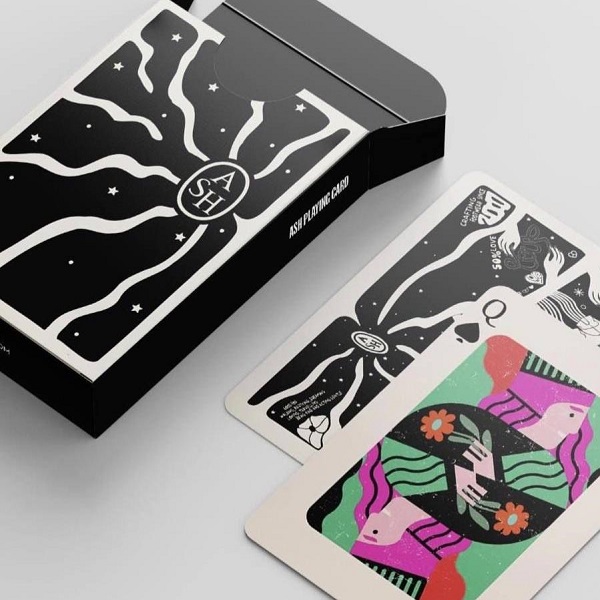
Get a Custom Playing Cards Quote from WellCards
Which Home Card Printers Support Personalized Decks?
Choose a printer based on finish, throughput, and stock compatibility.
- Inkjet Printers : Versatile and can handle many paper types; look for high-resolution models.
- Laser Printers : Fast and efficient, good for sharp text and graphics.
- Specialized Card Printers : Built for thicker stock and precise card handling.
Match the printer to your desired image quality and production volume.
What Materials and Card Stocks Are Suitable for DIY Card Printing?
Material choice affects feel and durability. Select stock that fits how the deck will be used.
- Professional Playing Card Board : Typically 280–330 gsm, available in black-core or blue-core variants for a premium feel.
- 100% Plastic Cards : PVC or PET cards are waterproof and long-lasting.
- Standard Card Stock : Adequate for casual projects but less durable than specialty stock.
Your stock choice will influence handling, shuffling, and longevity.
What Are the Limitations and Challenges of DIY Playing Card Printing?
Common DIY challenges include inconsistent colour fidelity, lower resolution than professional presses, time-consuming trimming and finishing, and potential material waste that reduces cost savings.
How Does Print Quality at Home Compare to Professional Manufacturing?
Home print quality generally trails professional output. Manufacturers like WellCards use offset and high-end digital presses and offer specialised finishes (foil, coatings) that improve consistency and durability—advantages for high-end custom decks.
What Are Common Issues with Home Printing Custom Cards?
Typical issues include:
- Printing Errors : Misalignments and colour mismatches.
- Material Issues : Incompatible stocks can cause jams or poor results.
- Design Challenges : Difficulty fitting artwork to card dimensions without proper tools.
Careful planning and test prints reduce these problems, but they require time and patience.
When Should Businesses Choose Professional Custom Card Printing Services?
Businesses should choose professional services when they need consistent, high-quality products that meet commercial standards. Assess order size, long-term value, and quality requirements before deciding.
- Minimum Order Quantities : Professional services may have MOQs, which suit larger projects.
- Budget Considerations : Higher upfront cost can yield better long-term value through durability and consistency.
- Quality Assurance : Professional providers implement quality control to reduce errors.
For brand-critical decks, professional production often saves time and delivers a superior result.
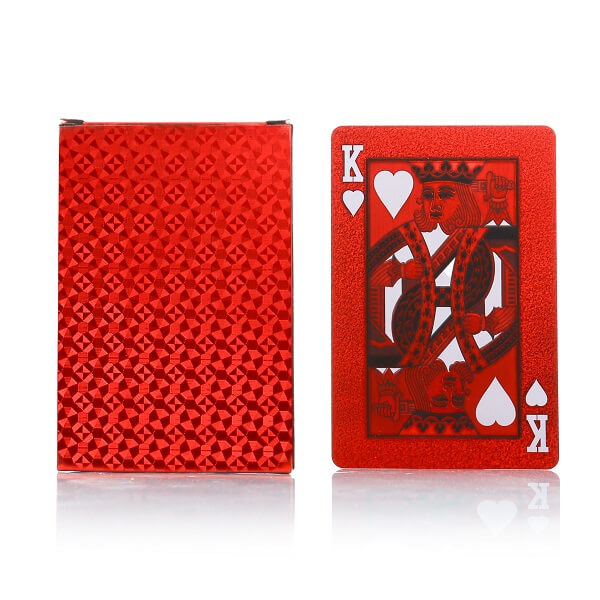
Get a Custom Playing Cards Quote from WellCards
What Are the Benefits of Partnering with Experienced Manufacturers Like WellCards?
Partnering with experienced manufacturers such as WellCards provides advantages for business orders:
- Cost Savings : Factory-direct pricing for bulk orders.
- Quality Assurance : Reliable, on-time delivery and consistent output.
- Customization Options : Multiple finishes and tailored options to support branding.
These benefits support scalable production and branded finishes.
The table highlights core advantages offered by a professional supplier.
How Do Professional Services Ensure Compliance and Quality Standards?
Professional printers use documented quality-control measures, adhere to industry regulations, and provide documentation to ensure products meet client and regulatory expectations.
- Quality Control Measures : Inspections and testing against benchmarks.
- Compliance Strategies : Following applicable regulations and standards.
- Documentation Support : Clear records and specifications for clients.
These procedures are essential for dependable, compliant production.
How Can You Start Ordering Custom Playing Cards from Professional Manufacturers?
To begin ordering custom playing cards from a manufacturer, follow a simple workflow.
- Consultation Process : Discuss requirements and ideas with the supplier.
- Artwork Setup : Prepare and submit artwork per the supplier’s specs.
- Shipping and Support : Receive shipping details and post-order support.
Clear communication and following artwork specifications streamline production.
What Is the Step-by-Step Process to Request a Quote and Place an Order?
A typical ordering process includes requesting a quote, submitting artwork, and reviewing proofs before production.
- Getting a Custom Quote : Contact the manufacturer for a tailored estimate.
- Artwork Submission : Submit files in the required formats.
- Final Steps Before Shipping : Review proofs and approve the final order.
Following these steps helps avoid delays and ensures the final product matches expectations.
What Pricing and Turnaround Times Can Clients Expect?
Professional manufacturers like WellCards typically offer competitive pricing and reasonable turnaround times. MOQs may apply for luxury decks (often starting at larger quantities). Digital proofs are commonly provided for review before production.
In summary, home printing can be suitable for prototypes or small, casual runs, but achieving professional-grade, durable decks is often easier and more reliable through a specialist manufacturer.
If you have questions or need assistance, you can contact us for more information.
Print Custom Playing Cards at Home | FAQs
Can I use any type of paper for printing custom playing cards at home?
Not all paper types are suitable. Use card stock compatible with your printer: professional playing card board (around 280–330 gsm) or plastic cards (PVC/PET) for durability. Standard paper will feel and perform worse.
What software can I use to design my custom playing cards?
Professionals use Adobe Illustrator for precise control; free options like GIMP or Canva work for basic layouts. Verify file formats and bleed/margin requirements before submitting to print.
How can I ensure my printed cards are cut accurately?
Use a paper cutter or a craft knife with a straightedge and include cutting guides in your files. For larger runs, a professional cutting service ensures consistent edges.
What are the environmental considerations when printing playing cards at home?
Choose recycled or sustainably sourced card stock where possible, minimise waste by printing only what you need, and recycle offcuts and consumables responsibly.
Are there any specific design tips for creating visually appealing playing cards?
Use a cohesive theme, high-contrast colours for legibility, clear hierarchy for key elements, and safe margins to prevent trimming issues. Produce mock-ups to check the final look.
What should I do if my home printer is not producing the desired quality?
Check printer settings, use the highest resolution and correct paper type, clean print heads, and replace cartridges as needed. If results remain poor, move the project to a professional print service.
Conclusion
Printing custom playing cards at home can be fulfilling for small or experimental projects, but it often cannot match the consistency, finishes, and durability of professional manufacturing. For reliable, high-quality decks—especially for business or brand use—partnering with experienced manufacturers like WellCards is recommended.
 English
 Deutsch
 Français
 Polski
 Português do Brasil
 Español
 日本語
日本語 Русский
 العربية
 Italiano
 Nederlands
 Türkçe
 한국어
한국어