
Playing cards are central to many games and activities, and precise dimensions matter to players and manufacturers alike. A standard playing card typically measures 2.5 inches wide by 3.5 inches tall, the size most commonly used for poker and bridge. This article reviews official dimensions, typical thickness, common materials, how custom printing can affect size, and why exact sizing is critical in manufacturing.
What Are the Official Dimensions of a Standard Playing Card?
Official dimensions ensure compatibility across games and accessories. The most recognized sizes are poker and bridge cards, each serving distinct gaming needs.
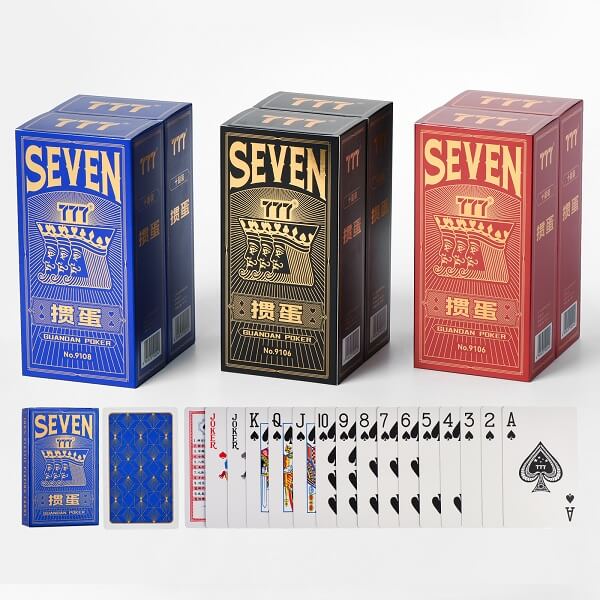
Get a Custom Standard Playing Cards Quote from WellCards
What Is the Typical Width and Height of Poker and Bridge Cards?
Poker cards typically measure 2.5 inches wide by 3.5 inches tall, while bridge cards measure about 2.25 inches wide by 3.5 inches tall. These standardized sizes help gameplay and ensure cards fit shuffling machines and card holders.
How Do Standard Card Sizes Compare Across Gaming and Promotional Uses?
Standard sizes are chosen by use: poker cards for general play and bridge cards for more formal games. Promotional or novelty cards can vary in size to meet marketing goals, though they often adhere to the standard dimensions to preserve familiarity.
What Are the Standard Thickness and Card Stock Types Used in Playing Cards?
Thickness affects durability and handling. Standard playing cards generally range from 0.3mm to 0.33mm, depending on the selected stock.
What Thickness Measurements Define Quality Standard Playing Cards?
Quality cards are often specified in points, commonly 12–14 points (about 0.3mm to 0.35mm). Greater thickness increases resistance to bending and improves longevity for frequent use.
Which Card Stock Materials Are Commonly Used for Durability and Finish?
Common card stocks include paper, plastic, and composite blends. Higher-quality cards often have a plastic coating to boost durability and provide a smooth finish, supporting consistent shuffling and dealing. The chosen stock significantly affects a card’s feel and service life.
The table highlights differences among stock types and shows how thickness and finish influence overall quality and user experience.
How Does Custom Card Printing Affect Standard Playing Card Sizes?
Custom printing allows a range of sizes and designs that may depart from standard dimensions. This flexibility benefits businesses seeking unique promotional materials or bespoke game components.
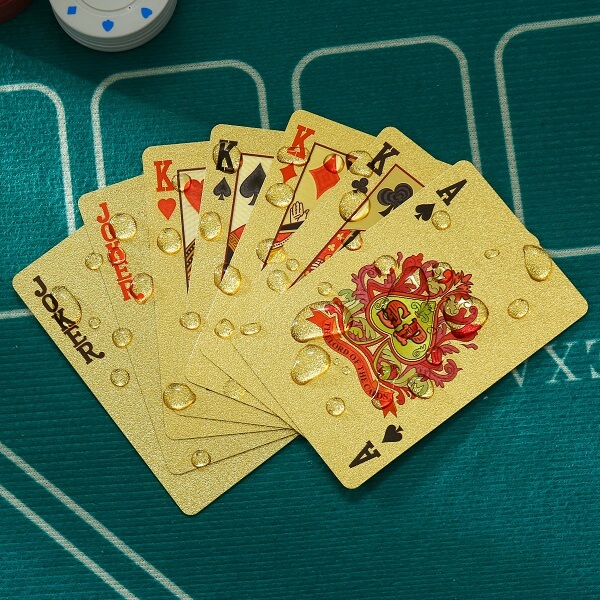
Get a Custom Standard Playing Cards Quote from WellCards
What Custom Size Options Does WellCards Offer for Business Clients?
WellCards produces both standard and custom-sized playing cards. Clients can choose oversized cards for events or mini cards for giveaways. Customization helps businesses meet specific requirements while maintaining quality standards.
How Do Custom Dimensions Impact Manufacturing and Client Partnerships?
Custom dimensions can add complexity to manufacturing, requiring adjustments to production methods and materials, but they also allow businesses to differentiate products in competitive markets.
If you have questions or need assistance with an order, you can contact us for support.
Why Is Precise Card Size Important for Manufacturing and Client Success?
Precise sizing ensures cards integrate smoothly with existing games and accessories. Accurate dimensions preserve compatibility with shuffling machines and card holders, which is important for manufacturers and end users.
How Does Accurate Sizing Ensure Compatibility with Gaming Standards?
Accurate sizing allows cards to be used interchangeably across games, supporting a consistent user experience. This consistency is particularly important in competitive settings where standardization matters.
What Role Do Certifications and Quality Control Play in Card Dimensions?
Rigorous quality control maintains dimensional integrity. Certifications from recognized standards organizations give clients assurance that produced cards meet industry specifications, supporting trust and satisfaction.
In short, understanding standard playing card sizes and specifications helps players and manufacturers make better choices. WellCards provides options for standard and custom needs, delivering products suited to gaming and promotional contexts.
Standard Playing Card Size | FAQs
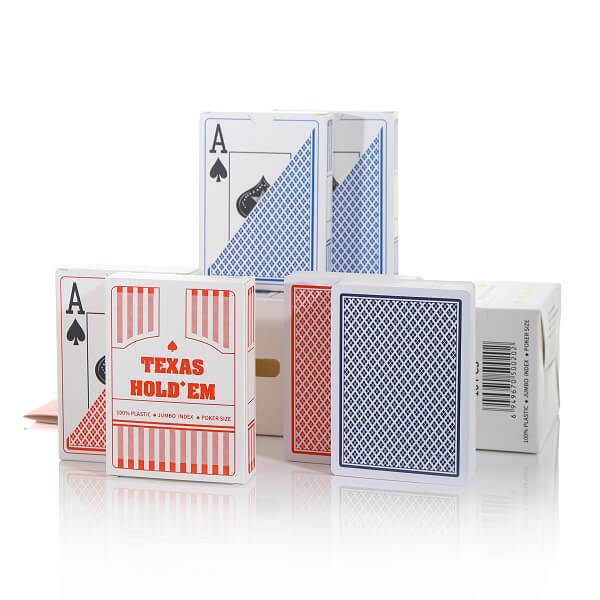
Get a Custom Standard Playing Cards Quote from WellCards
What are the different types of playing cards available?
Playing cards come in several types: standard decks (poker and bridge), specialty decks (tarot, collectible card game sets), and custom promotional decks. Specialty decks often feature unique artwork, while standard decks conform to established dimensions and rules.
How can I choose the right playing card size for my game?
Choose a card size based on game format and player preference. For traditional poker or bridge, standard sizes ensure compatibility. For custom games, test sizes to evaluate shuffling and handling.
What factors should I consider when selecting card stock for playing cards?
Consider durability, finish, and intended use. Thicker stock improves longevity; matte, glossy, or linen finishes affect handling and appearance. Plastic-coated cards are better for outdoor use due to water resistance.
Can I customize the design of my playing cards?
Yes. Many manufacturers, including WellCards, offer personalized artwork, color options, and layout customization. Ensure artwork fits required dimensions to remain compatible with existing accessories.
What is the importance of quality control in card manufacturing?
Quality control ensures cards meet standards for size, thickness, and durability. Systematic testing finds defects that could impair gameplay. Certifications from recognized organizations provide additional assurance.
How do playing card sizes affect shuffling and dealing?
Card size affects shuffling and dealing performance. Standard sizes aim for comfortable handling, smooth shuffling, and efficient dealing. Cards that are too large or small can hinder play, so standard dimensions support a better experience.
Conclusion
Understanding standard playing card dimensions and specifications is important for compatibility and gameplay. Choosing the right size and stock improves quality and durability. Explore our standard and custom options to find the best solution for your needs, and contact us to discuss production details.
 English
 Deutsch
 Français
 Polski
 Português do Brasil
 Español
 日本語
日本語 Русский
 العربية
 Italiano
 Nederlands
 Türkçe
 한국어
한국어