
Playing cards remain fundamental to many games and recreational activities. Their design and specifications directly affect gameplay. Understanding the standard stack requires knowledge of card dimensions, deck composition and the materials used in production. This article examines those core characteristics—dimensions, composition and material quality—and outlines how customization can adapt standards to specific requirements. By the end, readers will have a clear understanding of what defines a standard playing card deck.
What Are the Standard Dimensions of Playing Cards?
Card dimensions are critical to usability and compatibility across games. Standard playing cards are offered mainly in two sizes: poker and bridge. The two sizes share the same height so they shuffle together easily, while their width differences change handling and grip.
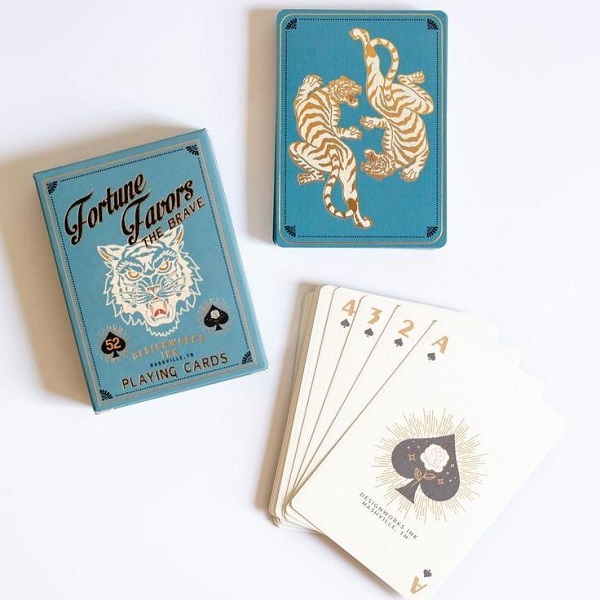
Get a Custom Standard Playing Cards Quote from WellCards
What is the typical width and height of a standard playing card?
Typical poker cards measure about 2.5 inches by 3.5 inches; bridge cards are narrower at approximately 2.25 inches by 3.5 inches. These standard dimensions promote consistency across manufacturers and let cards be interchangeable in most play situations.
How do card dimensions affect deck stacking and handling?
Size affects how a deck stacks and how easily it is handled. Poker-sized cards give a fuller grip that suits frequent shuffling and dealing; bridge cards, being narrower, suit players who prefer a lighter touch or tighter fan. Choosing the appropriate size influences comfort and some gameplay dynamics.
How Many Cards Are Included in a Standard Playing Card Deck?
A standard deck typically contains 52 cards, split across four suits—hearts, diamonds, clubs and spades—with 13 ranks from Ace through King. Most physical decks also include two jokers, bringing the total to 54, though many traditional games do not use jokers. Knowing the deck composition helps clarify rules and strategy for specific games.
What is the standard number of cards in a poker card stack?
Standard poker play uses a 52-card stack. While many retail decks include two jokers, standard poker variants generally omit them; always confirm the rules for the game you’re playing.
Are jokers and extra cards included in the standard deck size?
Jokers are commonly included in the packaged deck (totaling 54 cards), but their use depends on the game. Some variants and novelty decks include extra cards for wild cards or rules-specific play; check the game or event requirements before including them.
What Materials and Finishes Define Standard Playing Card Quality?
Card quality depends primarily on the card stock and surface finish used during production. Standard playing cards are normally manufactured from durable card stock to ensure longevity and a pleasing tactile feel. Surface finish strongly influences handling and shuffle performance.
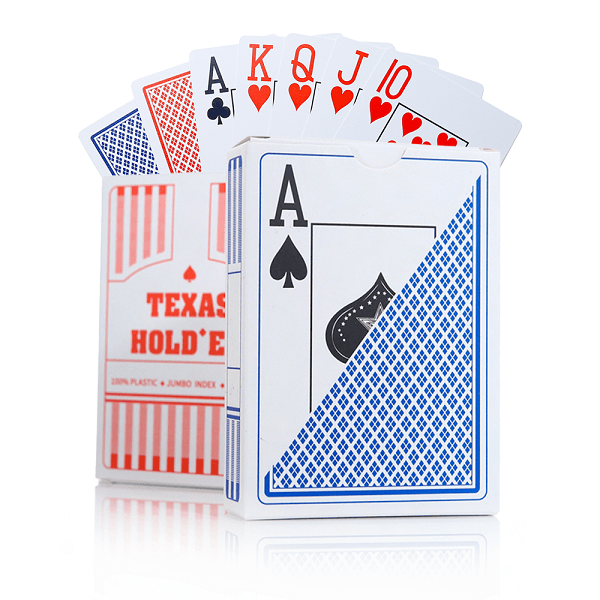
Get a Custom Standard Playing Cards Quote from WellCards
Which card stock thicknesses are commonly used in standard decks?
Common card stock thicknesses for standard decks range from about 280 to 310 gsm. Thicker stock resists bending and improves longevity, which is preferable for heavy use. Consider card thickness when selecting a deck to match frequency of play and handling preferences.
How do finishes and coatings impact card durability and feel?
Finishes and coatings are vital to durability and tactile performance. Linen-style or smooth coatings are typical; they change how cards slide and separate during shuffling and dealing. The right finish improves handling and helps protect cards from wear and surface damage.
How Does Custom Playing Card Manufacturing Adapt the Standard Stack?
Custom manufacturing lets producers adapt the standard stack to meet specific requirements. Options include alternative sizes, bespoke artwork and tailored packaging. These choices allow decks to be configured for events, promotions or individual preferences while retaining playability.
What customization options are available for deck size and packaging?
Options include mini decks, oversized cards and specialised packaging solutions. Decks can be printed with custom artwork, logos or messaging, making them suitable for promotional use, gifts or private commissions. Custom packaging and tuck boxes can also be designed to match branding needs.
How does WellCards ensure quality and compliance in custom decks?
WellCards specializes in producing high-quality standard and custom decks. Quality and compliance are maintained through rigorous pre-press checks and final packing inspections, ensuring each deck meets the defined specifications and performs reliably in use.
If you have any questions or require further assistance, you can contact us.
Standard Stack for Playing Cards | FAQs
What types of games can be played with standard playing cards?
Standard playing cards support a wide variety of games, from classics such as Poker, Bridge, Rummy and Solitaire to modern party games. The versatility of the standard deck accommodates competitive play and casual entertainment, and it is often used in educational activities that teach counting, strategy and social skills.
Can playing cards be used for magic tricks or performances?
Playing cards are a common tool in magic and performance—magicians exploit their manipulability, shuffling properties and inherent randomness to create illusions. Many routines rely on sleight of hand and misdirection. There are also decks customised for magic with specialised designs or subtle markings to assist certain techniques.
What is the history of playing cards?
Playing cards are believed to have originated in ninth-century China, spreading through Persia and reaching Europe by the 14th century, where their design and structure evolved. The suits and ranks familiar today were standardized by the 15th century with hearts, diamonds, clubs and spades. Over time, playing cards have influenced culture, art and literature.
Are there different types of card games based on the number of players?
Card games are classified by player count, ranging from two-player games like Gin Rummy to group games such as Hearts or Spades for four or more players. Some games are designed for larger groups while others focus on strategic play for two; player count alters dynamics and strategy.
How can I care for and maintain my playing cards?
To prolong the life of playing cards, store them in a cool, dry place away from direct sunlight. Avoid bending or creasing and use a card box or sleeves for protection. Clean cards gently with a soft cloth to remove dirt and oils, and replace worn or damaged cards since deterioration can affect gameplay.
What are the benefits of using high-quality playing cards?
High-quality playing cards offer greater durability, improved handling and smoother shuffling. Premium materials reduce the risk of bending and premature wear; a suitable finish enhances feel and performance. Investing in quality cards improves the playing experience for frequent and competitive users.
Conclusion
Understanding the standard stack for playing cards supports better gameplay through informed choices about dimensions, deck composition and material quality. Selecting the appropriate cards enhances handling, durability and overall enjoyment. Review our range of high-quality playing cards to identify the best option for your requirements and elevate your play.
 English
 Deutsch
 Français
 Polski
 Português do Brasil
 Español
 日本語
日本語 Русский
 العربية
 Italiano
 Nederlands
 Türkçe
 한국어
한국어