
Playing cards combine entertainment and strategy. A standard deck contains distinct card types with defined roles in play. This article explains the deck’s suits, face cards and ranks, and describes number cards and jokers so readers gain a practical understanding of how these elements affect gameplay and strategy.
To understand the deck’s structure, consider its composition as reported by subject-matter sources.
Standard Anglo-American Deck: 52 Cards, Four Suits, 13 Ranks
Measuring the perceptual characteristics of real-world stimuli has proven useful in areas such as face recognition and object identification. We show that such an approach can also prove useful for playing cards. A typical Anglo-American deck consists of 52 cards, divided into four suits of 13 ranks each.
Perceptual and cognitive characteristics of common playing cards, JA Olson, 2012
Suits
A standard deck is organised into four suits: hearts, diamonds, clubs and spades. Each suit carries symbolic meaning and affects game mechanics, establishing hierarchy and informing strategic choices during play. Familiarity with each suit supports sound decision-making.
What Do Hearts and Diamonds Represent in Playing Card Suits?
Hearts and diamonds convey complementary themes: hearts are linked to emotion, relationships and social interaction, while diamonds denote material matters such as wealth and prosperity. This symbolic contrast adds both strategic and narrative depth to many games.
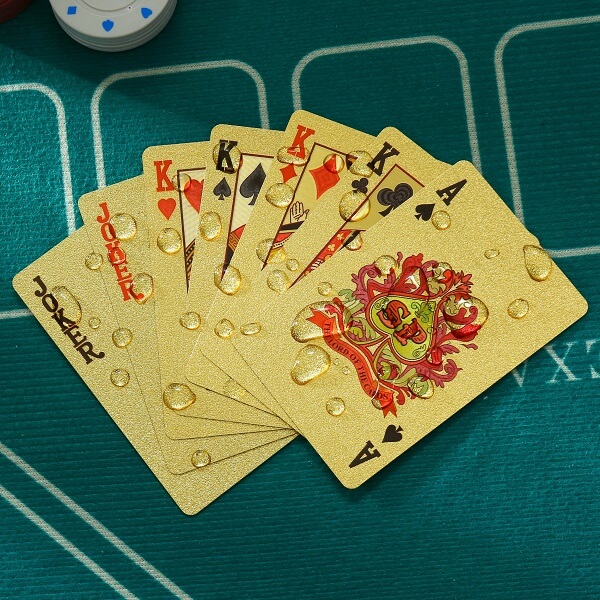
Get a Custom Standard Playing Cards Quote from WellCards
What Are the Characteristics of Clubs and Spades Suits?
Clubs and spades have distinct associations that influence evaluation and play. Clubs often suggest growth, achievement and initiative; spades imply wisdom, authority and, at times, conflict. These associations can shape how players assess hands and plan tactics.
Ranks
Ranks run from 2 through 10, followed by the face cards: Jack, Queen and King. Aces may function as the highest or lowest card depending on the rules. Understanding rank values is essential for assessing hand strength and selecting appropriate strategies.
Characteristics and Significance
Suits and face cards determine hierarchy and influence game flow. Face cards often carry elevated value or special roles that can alter outcomes. Joker cards, where included, act as wild cards and introduce controlled unpredictability. Recognising these elements helps improve strategic planning.
What Are the Four Suits in a Standard Deck of Playing Cards?
The four suits in a standard deck of playing cards are:
- Hearts : Represents love and emotion.
- Diamonds : Symbolizes wealth and prosperity.
- Clubs : Denotes growth and achievement.
- Spades : Signifies wisdom and power.
These suits form the basis of many card games and directly influence play and strategy.
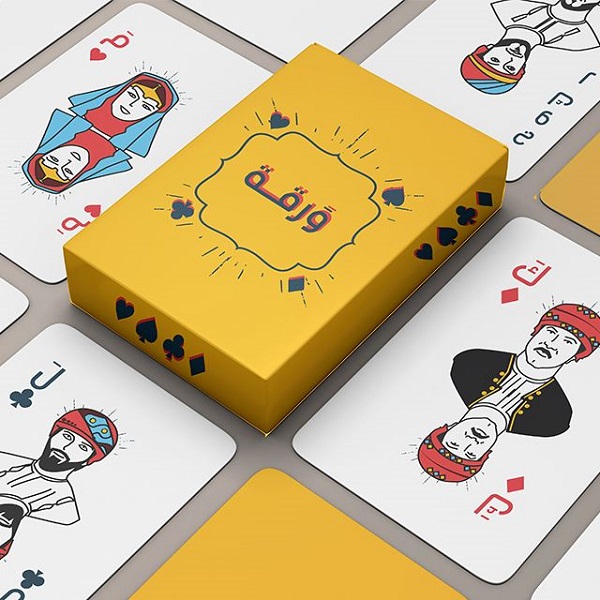
Get a Custom Standard Playing Cards Quote from WellCards
Which Cards Are Considered Face Cards and What Are Their Roles?
Face cards—the King, Queen and Jack—frequently carry higher value than number cards and may assume special functions in particular games. Understanding their roles helps players maximise strategic outcomes.
Who Are the King, Queen, and Jack in a Standard Deck?
The King, Queen and Jack each convey distinct roles and cultural associations: the King represents leadership and authority, the Queen denotes power and influence, and the Jack often represents youth or a secondary court figure. Depending on context, the Jack may imply loyalty or cunning. These roles enrich a game’s strategic and narrative dimensions.
How Do Face Cards Differ from Number Cards in Gameplay?
Face cards differ from number cards mainly in value and functional potential: they can form powerful combinations or trigger special mechanics in various games. Appreciating these differences is important for effective strategy development.
What Are Number Cards and the Role of Joker Cards in a Standard Deck?
Number cards, from 2 to 10, provide the deck’s core values and underpin most game mechanics. Joker cards, when used, serve as wild cards that can substitute for other cards and introduce tactical variability.
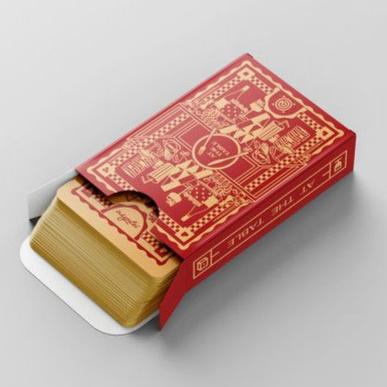
Get a Custom Standard Playing Cards Quote from WellCards
How Are Number Cards Ranked and Used in Card Games?
Number cards are ranked 2 through 10; Aces may be high or low by game rules. Rank determines hand strength and informs tactical choices, so players should apply rank knowledge to optimise play.
What Is the Purpose and Significance of Joker Cards?
Joker cards fulfil a specialised role as flexible wild cards. That flexibility can shift dynamics and enable unexpected strategies. When present, jokers change risk–reward calculations and require adjusted strategic planning.
WellCards is a card printing manufacturer specialising in high-quality standard playing cards and custom decks. Their core offering centres on the production of standard playing cards and bespoke decks that meet customer specifications.
Frequently Asked Questions
What is the history of playing cards?
Playing cards originate in 9th-century China as objects of diversion. They migrated through Persia and reached Europe by the 14th century, where designs and formats evolved. The modern 52-card standard became established in the 19th century. Cultural contributions over time shaped the cards’ design and symbolism.
How do different cultures influence playing card designs?
Card designs reflect regional art, symbolism and tradition. The widely used French deck features hearts, diamonds, clubs and spades, while Italian and Spanish decks use alternative suits and motifs. Cultural variation yields diverse visual styles and thematic choices that enrich the playing experience.
What are some popular card games played with a standard deck?
Common games using a standard deck include Poker, Bridge, Rummy and Solitaire. Each title employs distinct rules and strategies: Poker emphasises betting and bluffing, Bridge focuses on partnership and bidding, Rummy centres on melding, and Solitaire is a single-player exercise in technique and patience.
Can playing cards be used for purposes other than gaming?
Yes. Playing cards are used in magic, cardistry and as educational aids for mathematics and probability. Artists also produce custom decks as a medium for visual expression. These alternative uses demonstrate the cards’ versatility beyond conventional play.
What are the differences between traditional and custom playing cards?
Traditional cards follow established suits, ranks and standard artwork. Custom decks vary in design, theme and material and may include unique artwork, special finishes or alternative suits. Customisation serves collectors, brands and enthusiasts seeking tailored solutions.
How can I care for and maintain my playing cards?
Proper care extends card life: store cards in a cool, dry place away from direct sunlight, use sleeves or boxes to prevent dirt and abrasion, clean gently with a soft cloth, and avoid bending or creasing. These measures preserve playability and appearance.
Conclusion
A clear understanding of suits, face cards and ranks improves strategic decision-making and enhances play. By recognising each element’s significance, players can make more informed choices and elevate their skills. Explore our selection of playing cards to identify the deck best suited to your needs and strategies.
 English
 Deutsch
 Français
 Polski
 Português do Brasil
 Español
 日本語
日本語 Русский
 العربية
 Italiano
 Nederlands
 Türkçe
 한국어
한국어