
Standard playing cards trace a long, international history that spans several centuries, reflecting cultural exchange and technological progress. This article outlines the cards’ origins, key stages of evolution, and modern manufacturing processes. Readers will learn the historical context, principal figures involved, and how deck composition has changed over time. The piece also describes WellCards’ manufacturing capabilities and how businesses can benefit from custom playing card printing .
What Is the Origin of Standard Playing Cards?
The origin of standard playing cards is a story of cross-cultural influence and technical innovation. Evidence indicates they began in China during the Tang dynasty, around the 9th century, initially used for games and gambling. The form spread through Asia and reached Europe in the late 14th century, commonly attributed to the Mamluks of Egypt bringing cards to Italy. That movement set the stage for the standard deck known today.
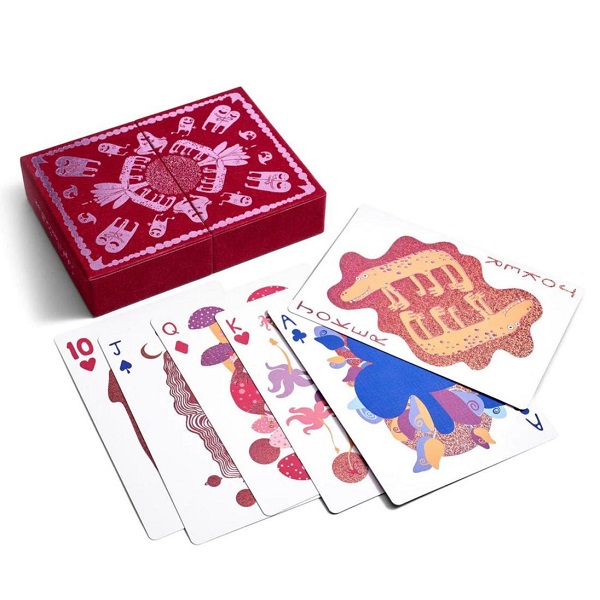
Get a Custom Standard Playing Cards Quote from WellCards
Contemporary historical accounts support the arrival of playing cards in Europe during this pivotal century.
14th Century Playing Card Origins in Europe
This article provides a concise history of playing and tarot cards, beginning with their introduction into Europe from the Orient in the early 14th century, and considers their historical associations.
The playing card’s progress: A brief history of cards and card games, 2006
When and Where Were Standard Playing Cards First Invented?
The earliest references place playing cards’ invention in China during the 9th century. Early cards were paper-based and carried varied designs that later influenced European decks. The transition to Europe occurred in the late 14th century via trade routes, where designs were adapted to local tastes and customs.
Who Were the Key Historical Figures in Playing Card Invention?
Multiple groups and individuals contributed to the cards’ evolution. The Mamluks of Egypt are notable for introducing card games to Europe. In Italy and France, artists and craftsmen developed distinctive suits and face cards that established the foundations of the standard deck. Those innovations shaped the card designs that persisted thereafter.
How Has the Standard Deck Composition Evolved Over Time?
Deck composition shifted considerably from early variations: initial decks differed in card count and suits, and over time a standardized format emerged. The modern deck typically contains 52 cards divided into four suits—hearts, diamonds, clubs, and spades.
What Are the Traditional Suits and Their Historical Significance?
The traditional suits—hearts, diamonds, clubs, and spades—carry historical symbolism. Hearts have been associated with the clergy, diamonds with the merchant class, clubs with the peasantry, and spades with the military. This symbolism mirrors the social hierarchies of earlier periods and informs the cultural context of the deck.
How Did the Number of Cards and Deck Structure Develop?
Early decks ranged from roughly 20 to 80 cards. The contemporary standard of 52 cards became widely accepted by the late 19th century, providing a uniform structure that enabled the development and standardisation of many card games worldwide.
What Advances Have Shaped the Playing Card Manufacturing Process?
Playing card manufacturing has advanced markedly with improvements in printing and finishing technologies. These developments increased card quality and durability and facilitated wider distribution and consumer appeal.
How Have Printing Techniques Evolved Since the 15th Century?
Printing techniques progressed from woodblock methods to lithography and later offset printing. Woodblock printing allowed detailed designs; lithography and offset methods enabled mass production. These changes improved visual fidelity and reduced unit costs, expanding accessibility.
What Modern Manufacturing Capabilities Does WellCards Offer?
WellCards is a card printing manufacturer specialising in high-quality standard playing cards. Its facilities use modern printing equipment and offer a range of customisation options, enabling businesses to produce tailored decks for promotional campaigns or personal projects.
How Can Businesses Benefit from Custom Playing Card Printing?
Custom playing card printing helps businesses increase brand visibility and engage clients. Personalised decks allow companies to integrate logos and messaging, creating a tangible marketing asset that supports promotional strategies and customer interaction.
- Branding Opportunities : Custom cards can feature logos and branding elements, making them excellent promotional tools.
- Unique Marketing : Businesses can use custom decks as giveaways or prizes, creating memorable interactions with customers.
- Engagement : Playing cards can serve as a fun way to engage clients, fostering a sense of community and loyalty.
What Are the Advantages of Partnering with WellCards for Custom Orders?
Partnering with WellCards for custom orders delivers several advantages. Their manufacturing expertise supports high-quality outcomes that meet specific business requirements. WellCards also provides competitive pricing and efficient turnaround, making them a practical partner for custom deck projects.
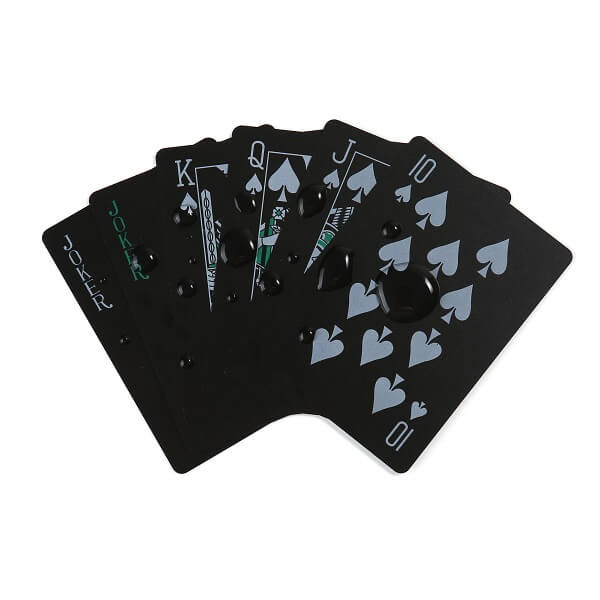
Get a Custom Standard Playing Cards Quote from WellCards
How to Request a Quote and Start a B2B Partnership?
To begin a B2B partnership with WellCards, businesses may request a quote via the website. The process generally involves submitting design specifications and desired quantities, after which WellCards issues a detailed proposal. This streamlined workflow enables businesses to commence custom card projects promptly and leverage WellCards’ production expertise.
When Were Standard Playing Cards Invented | FAQs
What types of games can be played with standard playing cards?
Standard playing cards accommodate a broad range of games. Examples include classic titles such as Poker, Bridge, and Rummy, as well as popular variations referenced in culture like Uno and Cards Against Humanity. The deck’s versatility supports both competitive and casual play and can be adapted to many formats and rule sets.
Are there any cultural variations in playing card designs?
Playing card designs differ across cultures. Western decks typically use hearts, diamonds, clubs, and spades, while other regions employ distinct suits and iconography. For example, some traditional Chinese cards feature suits such as coins and strings of coins. These variations reflect local customs, artistic traditions, and historical influences.
What materials are commonly used in the production of playing cards?
Playing cards are commonly produced from high-quality paper or plastic. The standard material is a coated cardstock that enhances durability and provides a smooth finish for shuffling. Premium decks may use plastic for increased longevity and resistance to wear. Material choice affects feel, weight, and overall handling characteristics.
How do custom playing cards differ from standard decks?
Custom playing cards differ primarily in design and personalisation. While standard decks follow fixed suits and ranks, custom decks present bespoke artwork, branding, or themes tailored to client requirements. This allows businesses and individuals to produce cards that reflect their identity, making them suitable for promotions, gifts, or commemorative items.
What are some popular uses for custom playing cards in marketing?
Custom playing cards are effective marketing tools due to their versatility and engagement potential. Companies use them as promotional giveaways, event prizes, or branded merchandise. They function as distinctive business items at corporate events and trade shows to attract attention and reinforce brand recognition.
How can I ensure the quality of custom playing cards before ordering?
To confirm quality before ordering, request physical samples from the manufacturer to assess stock, print fidelity, and finish. Review customer testimonials and ratings to evaluate supplier reliability. Clear, detailed communication of design specifications and expectations is essential to achieve the intended final product.
Conclusion
Appreciating the history and evolution of standard playing cards enhances understanding of their cultural and technological significance. From origins in China to contemporary manufacturing methods, the cards’ development reflects sustained innovation. By exploring custom playing card solutions with WellCards, businesses can leverage this heritage to strengthen branding and customer engagement. Discover how you can create tailored playing cards that meet your objectives today.
 English
 Deutsch
 Français
 Polski
 Português do Brasil
 Español
 日本語
日本語 Русский
 العربية
 Italiano
 Nederlands
 Türkçe
 한국어
한국어