
Material selection determines a playing card’s resistance to moisture and wear. This article examines plastic materials that deliver waterproofing and long-term durability, outlining their key properties and practical advantages. Choosing the right material reduces warping and premature deterioration. We review plastic options, finishing techniques, and WellCards’ production capabilities for high-quality playing cards.
What Are the Top Plastic Materials for Waterproof Playing Cards?
PVC and PET are the primary plastics used for waterproof playing cards, selected for their reliable performance and suitability for commercial production.
Both materials offer waterproofing and improve overall card longevity and performance.
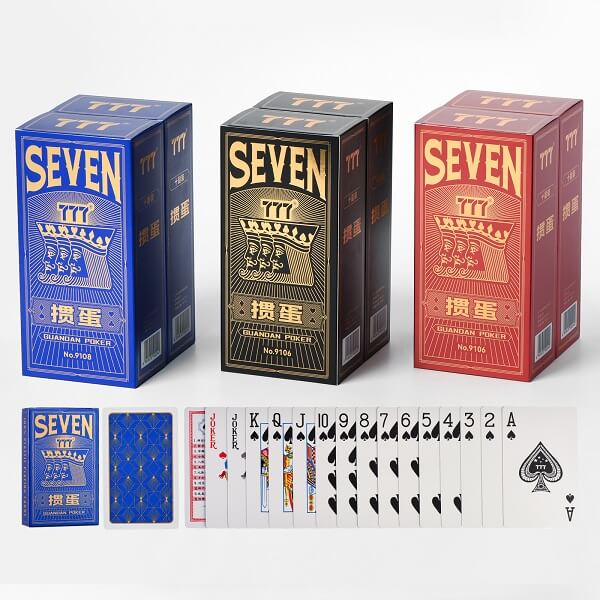
Get a Custom Playing Card Quote from WellCards
How Does PVC Enhance Card Waterproofing and Longevity?
PVC resists wear and tearing and retains shape through extended use. Its flexibility and moisture resistance make it suitable for outdoor and humid environments, helping decks remain crisp and playable over time. For ordering details, see playing cards.
What Benefits Do PET and Plastic Coatings Provide for Durability?
PET combines light weight and recyclability with structural strength, offering a durable, lower-impact option. Plastic coatings further increase moisture resistance and surface protection. Together, these features deliver resilience and consistent performance in modern card production.
How Can Custom Finishes and Thickness Improve Playing Card Performance?
Thickness and finish directly affect performance: increased thickness resists bending and physical damage, while selected finishes influence handling and durability. Specify thickness and finish to achieve the balance of playability and longevity you need.
What Are the Advantages of Linen Finish Playing Cards for Handling?
A linen finish improves grip for shuffling and dealing compared with smooth surfaces. The texture also elevates the card’s appearance and comfort, making linen a frequent choice among experienced players.
How Does Card Thickness Affect Durability and User Experience?
Thickness affects both durability and feel. Thicker cards resist warping and wear under frequent shuffling and convey a perception of higher quality. Properly balancing thickness and playability ensures designs meet users’ needs.
How Do WellCards’ Manufacturing Capabilities Ensure Quality and Reliable Delivery?
WellCards manufactures custom playing cards using advanced techniques and quality-control measures to produce consistently waterproof, durable decks. These processes support reliable supply for commercial and retail customers.
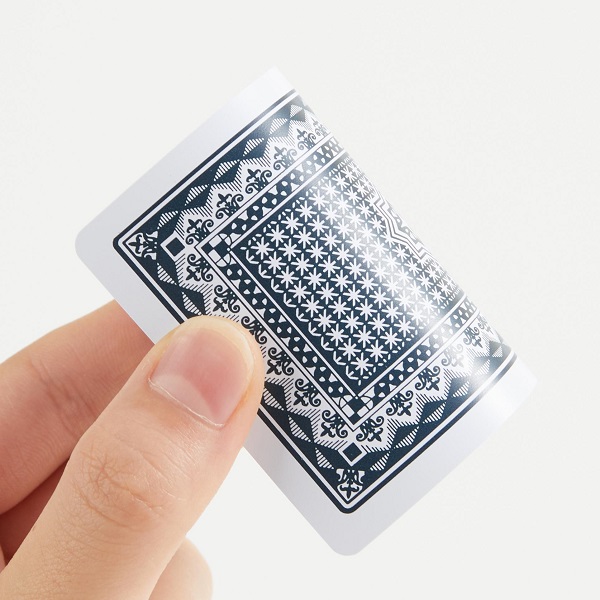
Get a Custom Playing Card Quote from WellCards
What Certifications Confirm the Quality and Safety of Our Playing Cards?
WellCards holds certifications such as FSC and REACH that validate material responsibility and product safety. These credentials reinforce confidence in their manufacturing standards and compliance for international markets.
How Does Our Production Capacity Support Large Custom Printing Orders?
WellCards can produce over 1 million decks per month, enabling efficient handling of large custom printing orders and timely delivery for businesses. For orders or inquiries, visit their contact us page.
Playing Cards Materials | FAQs
What Makes Waterproof Playing Cards Ideal for Outdoor Use?
Waterproof cards resist moisture and humidity and avoid the warping and damage paper cards experience. Materials such as PVC and PET preserve card integrity for beach, pool, or camping use and withstand the demands of high-energy play.
Can I Recycle Waterproof Playing Cards?
Many waterproof playing cards, particularly PET-based products, are recyclable where PET collection is available. Check manufacturer specifications or recycling symbols, such as those from WellCards, to confirm recyclability and reduce environmental impact.
How Do Custom Designs Affect the Cost of Waterproof Playing Cards?
Custom designs influence cost through factors such as design complexity, colour count, and chosen finishes, as well as material grade and specialised packaging. Align specifications with your budget to avoid unexpected expenses during production.
What Are the Best Practices for Maintaining Waterproof Playing Cards?
Clean cards with a damp cloth and mild soap when necessary, avoiding abrasive materials. Store decks in a cool, dry place and in a protective case to prevent dust and warping. Handle cards gently to preserve their durability over time.
How Do I Choose Between PVC and PET Playing Cards?
Choose PVC for superior durability and flexibility under frequent use; choose PET for a lighter, recyclable option suited to lighter gaming or promotional distribution. Consider environment, usage frequency, and sustainability when deciding.
Are Playing Cards with Special Finishes Worth the Investment?
Special finishes like linen or embossing enhance grip and handling and can justify a higher price through improved durability and user experience. For serious players and premium products, the added cost often delivers measurable benefits.
Conclusion
Selecting the right materials for waterproof and durable playing cards improves longevity and elevates game quality. Investing in high-quality options such as PVC or PET helps cards resist wear and moisture while retaining playability. To review available options, explore WellCards’ product range and contact them to discuss your specifications.
 English
 Deutsch
 Français
 Polski
 Português do Brasil
 Español
 日本語
日本語 Русский
 العربية
 Italiano
 Nederlands
 Türkçe
 한국어
한국어