
Pricing custom playing cards for wholesale requires a clear assessment of pricing strategies, production costs and market demand. This guide summarizes the main cost drivers—card stock, order volume and manufacturing steps—and offers practical guidance to set prices that protect margins while appealing to buyers.
Pricing Strategies
Use proven approaches to cover costs and remain competitive: cost-plus to guarantee margin, tiered pricing to reward scale, and routine market checks to stay aligned with competitors.
- Cost-Plus Pricing: Calculate production cost and add a consistent markup based on complexity.
- Tiered Pricing Models: Lower unit prices at higher volumes to drive larger orders.
- Competitive Pricing Awareness: Monitor peers to keep offerings attractive.
Combine these methods to serve varied wholesale customers while protecting profitability.
Get a Custom Playing Card Quote from WellCards
Key Cost Factors
Accurate quotes require breaking down materials, labour, finishing and turnaround requirements to produce defensible unit costs.
- Material Quality Impact: Premium stocks increase costs but can command higher prices.
- Design Complexity Fees: Intricate artwork and custom elements add setup time and charges.
- Order Quantity Influence: Larger runs reduce per-unit cost through economies of scale.
- Finishing Options Costs: Special coatings or plastic stock raise production expense.
- Turnaround Times: Expedited schedules typically incur premiums.
Quantify each factor to justify pricing and maintain margins.
Market Analysis
Demand for custom playing cards is growing among businesses and organisations that use branded cards as promotional items. Track sector needs and client preferences to position your product mix.
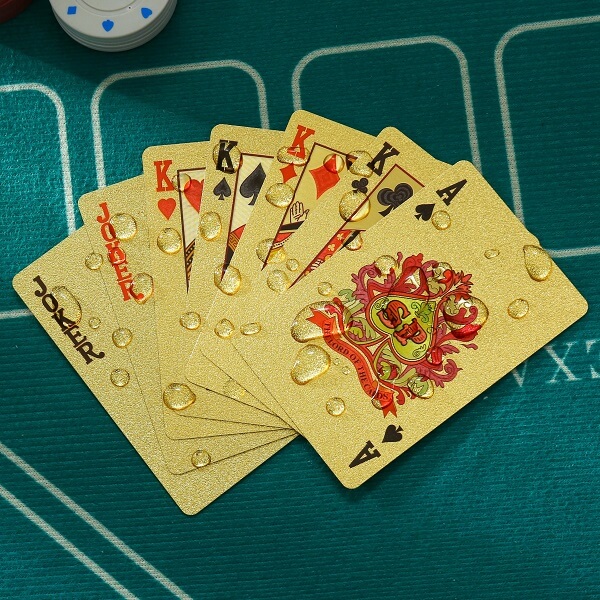
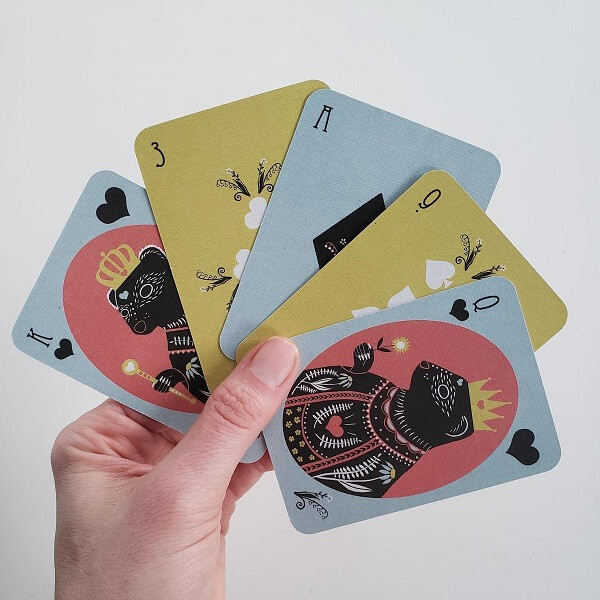
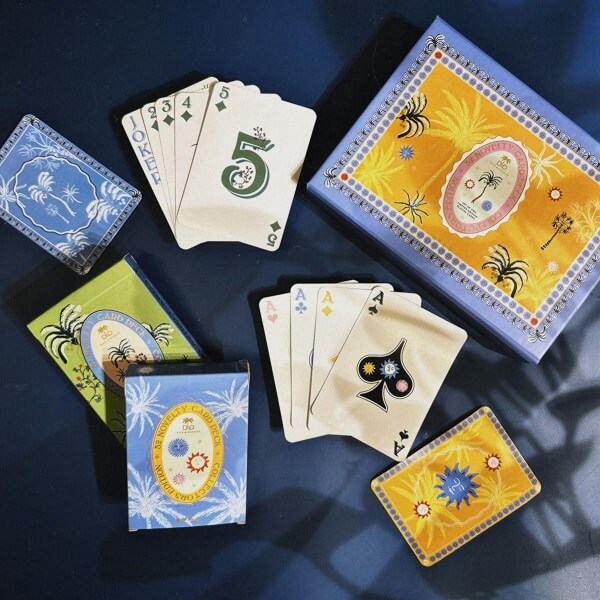
Review a representative range of playing cards to stay aware of options and market standards.
Recommended Pricing Structures
Offer a mix of standard pricing, volume discounts and bespoke quotes to serve common and specialised requests while meeting margin goals.
- Standard Pricing Strategies: Base prices on cost plus target margin.
- Volume Discounts: Define clear quantity bands for discounts.
- Custom Quotes for Special Requests: Price nonstandard projects individually.
These structures give predictable pricing for buyers and operational clarity for suppliers.
Adopt clear structures to support sales growth and client relationships.
What Are the Key Factors Influencing Wholesale Custom Playing Card Prices?
Primary drivers are materials, labour and overhead; finish and demand also affect final pricing.
Get a Custom Playing Card Quote from WellCards
How Do Card Stock Types and Finishes Affect Pricing?
Premium stocks and special finishes raise costs but can justify higher retail or wholesale prices through perceived value.
What Role Does Order Quantity Play in Bulk Pricing Discounts?
Quantity determines per-unit cost: larger runs unlock lower unit prices and predictable discount bands.
How Is the Manufacturing Process and Turnaround Time Priced for Bulk Custom Cards?
Each production stage—design approval, printing, cutting, packaging—adds cost; faster turnarounds add premiums.
How Do Printing Technologies Influence Cost Efficiency?
Digital printing suits short runs with faster setup; offset becomes cheaper per unit on larger volumes despite setup time.
What Are Typical Production Timelines for Wholesale Card Orders?
Lead times commonly span two to four weeks for standard orders; complex specs extend timelines.
What Are the Common Pricing Structures and Discount Policies for Wholesale Playing Cards?
Mix fixed pricing with tiered discounts; use promotions selectively to manage capacity and stimulate demand.
How Are Design Complexity and Customization Fees Calculated?
Charge for setup, artwork time and any bespoke tooling or finishes to cover labour and overhead.
What Are Typical Minimum Order Quantities and Corresponding Price Benefits?
MOQs protect production economics; higher volumes typically yield better per-unit pricing.
How Do Shipping and Logistics Costs Impact Wholesale Custom Card Pricing?
Freight, duties and packaging vary by destination and quantity—include these in quotes to avoid surprises. For inquiries or custom orders, please contact us.
What Shipping Options Are Available and How Do They Affect Final Costs?
Options range from ground to expedited; faster methods raise costs, so present clear choices and pricing.
How Is International Shipping and Compliance Considered in Pricing?
International orders require tariffs, documentation and regulatory checks—anticipate and communicate these early.
Pricing Custom Playing Cards | FAQs
Get a Custom Playing Card Quote from WellCards
What are the benefits of offering volume discounts for wholesale orders?
Volume discounts encourage larger purchases, improve utilization and strengthen buyer loyalty.
How can businesses determine the ideal pricing model for their custom playing cards?
Audit costs, benchmark competitors and test cost-plus or tiered models, adjusting based on market feedback.
What strategies can help businesses effectively market custom playing cards?
Use targeted digital channels, SEO, partnerships and trade events to showcase quality and reach bulk buyers.
Are there any common mistakes to avoid when pricing custom playing cards?
Avoid underpricing by omitting costs and keep price tiers simple to prevent confusion and margin loss.
How important is customer feedback in developing pricing strategies?
Feedback helps align price with perceived value and informs discounts, features and service levels.
What are some emerging trends in the custom playing card industry?
Trends include greater personalisation, sustainable materials and digital integration; monitor these for product updates.
What role do trade shows play in pricing and marketing custom playing cards?
Trade shows offer direct buyer access, validation and competitive insights that inform pricing and offerings.
Conclusion
Clear, cost-informed pricing balances profitability and client value. By applying disciplined pricing strategies, accounting for key cost drivers and tracking market trends, businesses can meet client needs while protecting margins. Contact our team for tailored pricing guidance.
 English
 Deutsch
 Français
 Polski
 Português do Brasil
 Español
 日本語
日本語 Русский
 العربية
 Italiano
 Nederlands
 Türkçe
 한국어
한국어