
Selecting the correct playing cards for your organisation requires a clear understanding of dimensions and production specifications. This guide informs B2B buyers about standard sizes, custom options and manufacturing details. Many companies find it challenging to choose cards that meet both operational needs and industry norms. By detailing standard dimensions and custom specifications, we provide practical guidance to support effective partnerships and client success. The guide covers thickness, material choices and practical advice for specifying orders, and includes sections on standard dimensions, size comparisons, printing specifications and bulk-order considerations.
What Are the Standard Playing Card Dimensions for Business Buyers?
Standard playing-card dimensions depend on the card type. Poker cards are typically 2.5 inches × 3.5 inches (63 mm × 88 mm), while bridge cards are 2.25 inches × 3.5 inches (57 mm × 88 mm). Card thickness commonly ranges from 0.3 mm to 0.33 mm, which affects durability and handling. For B2B buyers, these measurements help ensure compatibility with shuffling machines and other gaming equipment.
For those requiring tailored solutions, WellCards offers tailored services that accommodate specific dimensions and printing requirements. This flexibility helps businesses optimise card design and functionality for gaming or promotional use.
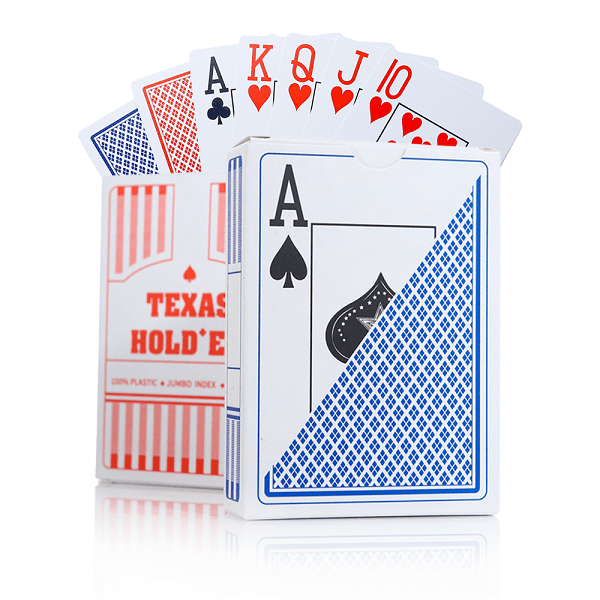
Get a Custom Playing Card Quote from WellCards
Which Standard Sizes Are Most Common in B2B Card Printing?
In B2B card printing, the most common sizes are the poker and bridge formats cited above. Poker cards suit general gameplay and see widespread use; bridge cards are narrower and preferred for trick-taking games. Custom sizes remain available for specialised business requirements.
Notable standard playing card sizes include:
- Poker Size: 2.5 inches x 3.5 inches
- Bridge Size: 2.25 inches x 3.5 inches
- Custom Sizes: Available upon request for specialized applications
How Does Card Thickness Affect Playing Card Quality and Use?
Thickness influences both durability and playability. Thicker cards withstand handling better and resist deformation. An optimal gameplay thickness, typically 0.3–0.33 mm, improves shuffleability and tactile response. For premium or promotional applications, heavier stock (350 gsm+) can convey enhanced quality.
Buyers should evaluate thickness options that align with brand positioning and user expectations, since card weight and feel shape player perception.
How Can B2B Buyers Specify Custom Playing Card Sizes and Finishes?
B2B buyers specifying custom cards should first define target audience and intended use. Using design templates helps ensure specifications meet printing requirements. Both standard and custom sizes can be chosen through suppliers like WellCards, which provide options for materials and coatings to meet business needs.
This process enables production of decks tailored for marketing activations, corporate events or gifting, aligned with your brand strategy.
What Custom Card Dimensions Are Available for Specialized Requirements?
Businesses seeking specialised dimensions can consider oversized and mini formats as well as other custom shapes. These options support branding objectives and specific game-design requirements, and can suit educational tools or niche events where standard sizes may not produce the desired effect.
Working with manufacturers experienced in custom card production provides practical guidance on unique dimensions tailored to particular purposes.
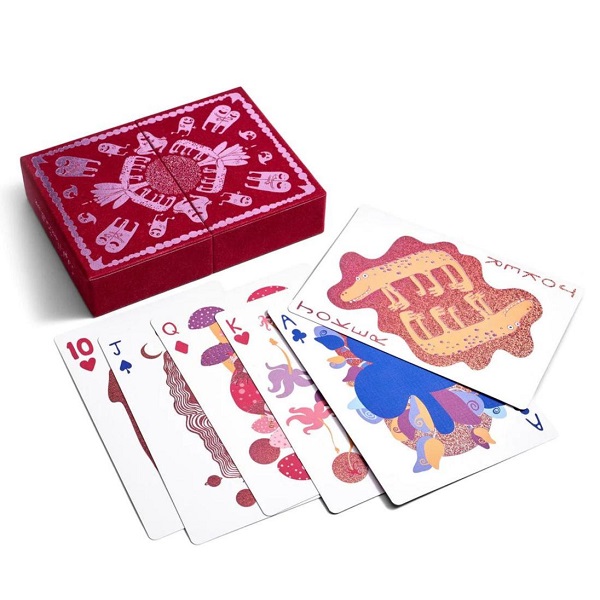
Get a Custom Playing Card Quote from WellCards
Which Printing and Finishing Options Enhance Custom Playing Cards?
Several printing and finishing techniques can achieve different visual and tactile outcomes:
- Gloss Coating: Provides a shiny finish that enhances colours and details.
- Matte Coating: Offers a subtle, elegant finish that prevents glare and fingerprints.
- Texture Addition: Improves grip and overall handling for better playability.
These finishes can elevate perceived quality and improve the user experience. Clearly communicate specific finish and printing requirements to your supplier to ensure the final product meets expectations.
What Are the Key Manufacturing Specifications Businesses Must Consider?
When placing an order, several specifications merit attention. Key manufacturing considerations include:
- Material Weight: Standard paper weight for cards typically ranges from 280–330 gsm, which affects durability and feel.
- Printing Quality: Ensures colours are vibrant and text is legible, which is crucial for branding.
- Stock Types: Options include card stock and plastic-coated finishes that cater to diverse customer preferences.
Understanding these specifications helps ensure production aligns with the quality standards expected by both suppliers and end users.
Which Card Materials and Thicknesses Comply with Industry Standards?
Card materials generally fall into two principal categories: paper and plastic. Each option offers distinct advantages:
- Paper Cards: Traditional, offering a preferred tactile feel for many deck types.
- Plastic Cards: Provide superior durability and water resistance, suitable for heavy use or outdoor settings.
Compliance with relevant industry standards is essential to maintain product quality and market suitability.
How Do Bulk Order Capacities and Turnaround Times Impact Business Partnerships?
Understanding bulk capacities is essential in B2B card production. Minimum order quantities affect pricing structures, while turnaround times influence production planning and inventory management.
Clarify MOQs, lead times and delivery expectations with your supplier to optimise partnership planning and secure timely fulfilment for scheduled events.
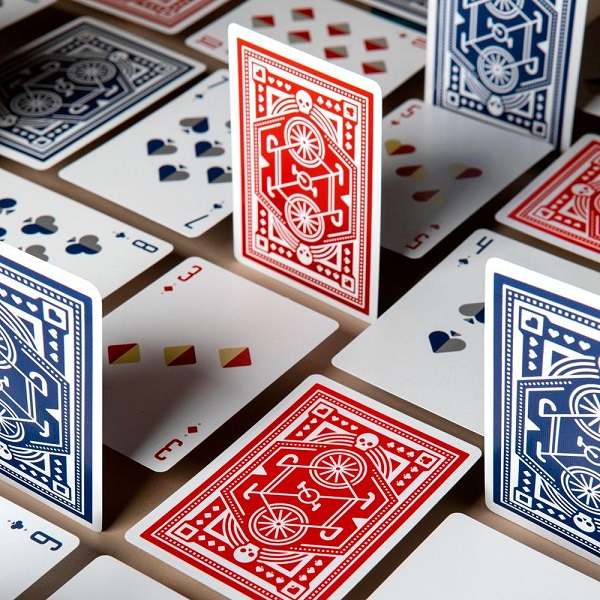
Get a Custom Playing Card Quote from WellCards
Frequently Asked Questions
What factors should I consider when choosing card materials?
Consider durability, tactile qualities and intended use. Paper cards offer a traditional feel suitable for most games; plastic cards deliver greater durability and water resistance for intensive or outdoor use. Also assess environmental impact—many manufacturers provide eco-friendly options that support sustainability goals without compromising quality.
Can I order playing cards in unique shapes?
Yes. Many manufacturers can produce cards in non-standard shapes to support distinctive branding or specialised game mechanics. Work with a supplier experienced in custom production to evaluate feasibility, obtain design templates and address any additional production considerations.
What is the importance of printing quality in playing cards?
Printing quality is critical to delivering visually consistent and legible decks. High-quality printing produces vibrant colours and clear text, reinforcing brand identity and user satisfaction. Select a reputable printer capable of meeting detailed design specifications and delivering consistent results.
How can I ensure my custom cards meet gaming standards?
To ensure conformity with gaming standards, specify established dimensions, thickness and finish preferences when briefing your manufacturer. Prototype testing with players will validate functionality and playability before full production.
What considerations should I have regarding card finishes?
Finishes influence both appearance and performance. Gloss coatings enhance colour vibrancy; matte coatings reduce glare and fingerprints; textured finishes improve grip. Choose the finish that best supports the intended user experience and application.
What are the benefits of using thicker cardstocks?
Thicker cardstock increases durability and conveys a premium feel. Heavier cards resist bending and wear, extending service life—particularly advantageous for frequently used decks or high-traffic settings.
How does card size impact gameplay experience?
Card size affects handling and play dynamics. Standard poker and bridge sizes are optimised for shuffling and user comfort; custom dimensions may change interaction and game flow, so select sizes that suit the intended gameplay.
Conclusion
Clear knowledge of playing-card dimensions and manufacturing specifications is essential to meeting business requirements while ensuring quality and compatibility. Employing standard or customised options can improve gameplay and support effective brand presentation. Review specialised card solutions with your supplier to identify the best fit for your objectives and operational needs.
 English
 Deutsch
 Français
 Polski
 Português do Brasil
 Español
 日本語
日本語 Русский
 العربية
 Italiano
 Nederlands
 Türkçe
 한국어
한국어