
Lead time planning is essential for businesses commissioning custom playing card projects. It clarifies production timelines and the factors that influence delivery, enabling clients to set realistic expectations for completion dates. This article outlines the production process for custom playing cards, covering manufacturing phases, turnaround drivers, and special requests such as rush orders. It also explains how to optimise lead time strategies and the role of quality assurance and shipping in achieving on-time delivery. Key topics include typical production timelines, principal manufacturing stages, and the effects of order quantity and shipping choices.
What Is the Typical Production Timeline for Custom Playing Cards?
Production for custom playing cards generally spans several weeks and varies with design complexity and chosen production methods. A defined timeline allows businesses to coordinate marketing and sales activities, reduce the risk of delays, and maintain a predictable workflow, which is vital for stocking and promotional schedules.
WellCards specialises in manufacturing high-quality, personalised decks built to client specifications while adhering to planned schedules. Clients engaging WellCards can expect a structured process that manages design, production, and delivery efficiently. For full product details, see playing cards.
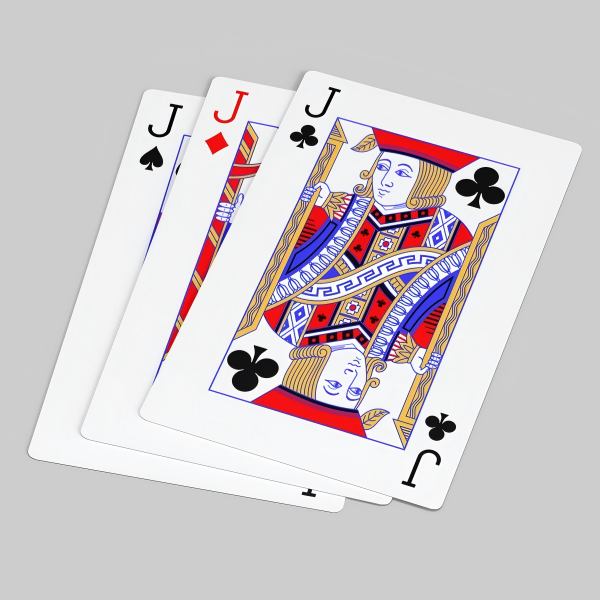
Get a Custom Playing Cards Quote from WellCards
How Long Does Each Manufacturing Phase Take?
Each manufacturing phase contributes to the total lead time and has a defined duration. Typically, production can be divided into the following primary phases:
- Consultation and Project Scoping: an initial stage to capture client requirements and design preferences, typically lasting about 1–2 weeks.
- Printing: depending on the method, printing can take from 1 week to 3 weeks; digital printing is usually faster, while offset printing supports more intricate work.
- Finishing Processes: cutting, laminating, and packaging add roughly 1–2 weeks, depending on finishing complexity.
Each phase ensures the final product meets quality and specification requirements. Prospective partners can request detailed quotes to understand timeframes for individual phases and plan accordingly.
How Long Does Each Manufacturing Phase Take?
Accurate lead time planning requires clarity on each phase’s duration. WellCards uses an organised production approach to deliver custom playing cards within reasonable timeframes while accommodating bespoke design elements and larger volumes when required.
What Factors Affect the Turnaround Time of Custom Playing Card Orders?
Several elements affect turnaround time. Design complexity is a primary factor: intricate artwork can demand extra proofing rounds or revisions, which extend lead times. Clear initial specifications reduce the need for repeated adjustments.
Material selection and finishing options also influence production speed. Premium stocks and specialised finishes may lengthen processing times, so understanding these trade-offs helps businesses align material choices with scheduling needs.
What Role Does Order Quantity Play in Manufacturing Schedules?
Order quantity shapes production planning and timelines. Smaller runs often have faster turnarounds due to simplified scheduling, while larger volumes benefit from scale but may require extended production windows to maintain quality and consistency.
Assessing these dynamics in advance helps businesses prepare for lead time fluctuations during promotional campaigns or peak periods and optimise scheduling for cost and speed.
How Can Rush Orders Expedite Custom Card Production?
Rush orders accelerate production for urgent needs or events but usually come with higher costs and operational constraints. Businesses should weigh expedited delivery against increased costs and possible process complexity before choosing rush service.
Standard timelines can often be significantly shortened under rush service, sometimes reducing expected delivery time by roughly half. However, expedited schedules may constrain certain quality assurance steps, so careful assessment is required.
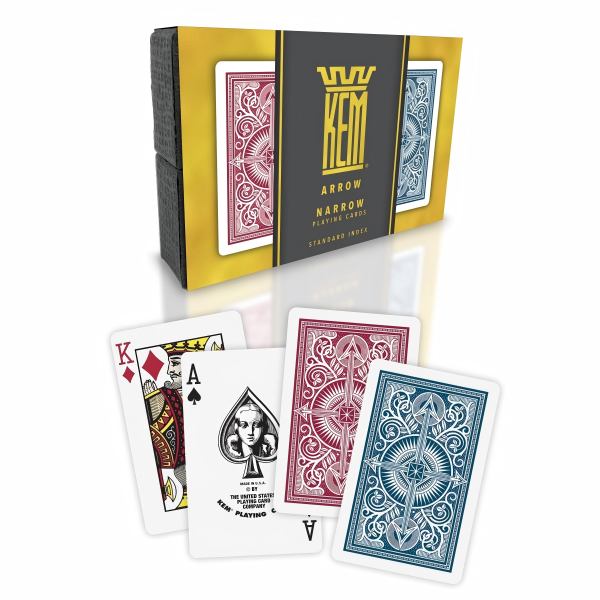
Get a Custom Playing Cards Quote from WellCards
What Are the Limitations and Costs of Rush Services?
Activating rush services typically increases production costs and may limit feasible design or finish options. Rapid processing can restrict intricate features and require compromises to meet schedule. WellCards provides transparent guidance on options and trade-offs so clients can make informed decisions about rush requests.
How Do Quality Assurance and Shipping Affect Total Lead Time?
Quality assurance is integral to production and ensures each deck meets specified standards before shipment. QA checks at key stages can affect lead time if defects are found, but prompt resolution preserves timeline integrity and supports consistent output quality.
Shipping choices further affect total lead time. Selecting between standard and expedited freight influences final delivery dates and should be aligned with production completion.
How Are Shipping Times Integrated Into Overall Lead Time Planning?
Incorporating shipping schedules into lead time planning is essential for accurate project management. Production completion and logistics must be synchronised, with allowance for unforeseen delays and customs processing where applicable.
Factors such as transit distance, carrier performance, and customs clearance can alter delivery speed. Proactive coordination with logistics partners and clear client communication reduces uncertainty and improves delivery reliability.
Understanding production phases, quality procedures, and logistics enables businesses to refine lead time planning for custom playing card projects and achieve smoother delivery outcomes. For project-specific inquiries or to discuss requirements, contact us.
Frequently Asked Questions
What should I consider when designing custom playing cards?
Begin with a clear card concept and ensure theme and design elements suit the target audience. Confirm colour choices, card stock options, and finish types such as gloss or matte. Verify how designs scale to card dimensions and how images reproduce on the final product. Consulting the manufacturer during design stages helps avoid common pitfalls.
Can I make changes to my order after it’s been placed?
Order changes may be possible depending on the production stage. Adjustments are easiest during consultation or scoping. Once printing has started, changes typically delay the project and can incur additional charges. Consult your manufacturer promptly to understand their modification policy.
What types of materials are available for custom playing cards?
Manufacturers offer various materials, including paper-based stocks, plastic options, and eco-conscious alternatives. Material choice affects durability, tactile feel, and print reproduction. Discuss available stocks with the manufacturer to select the best option for your design and use case.
How can I ensure my artwork is ready for printing?
Provide high-resolution files in CMYK colour mode and size artwork to the manufacturer’s specifications, including bleed. Preferred print-ready formats are commonly PDF or TIFF. Use proofing procedures—digital or hard-copy—to catch issues before production begins.
Are there any minimum order requirements for custom playing cards?
Most manufacturers set minimum order quantities to cover setup and production costs. Minimums vary by printing method and design complexity. Smaller runs are sometimes available but usually come with a higher unit price. Confirm minimums with your chosen supplier to plan effectively.
What quality assurance measures should I expect during production?
Expect quality checks at critical stages such as printing, cutting, and finishing, including visual inspections and durability tests. Manufacturers frequently provide proofs for approval prior to full production. Clear QA protocols help ensure the final product meets specifications and client expectations.
Conclusion
Effective lead time management is critical to on-time delivery and client satisfaction for custom playing card projects. By understanding production stages and the factors that affect turnaround, businesses can optimise planning and reduce delays. Engage with WellCards to streamline custom card production and benefit from a structured approach to timelines and delivery.
 English
 Deutsch
 Français
 Polski
 Português do Brasil
 Español
 日本語
日本語 Русский
 العربية
 Italiano
 Nederlands
 Türkçe
 한국어
한국어