
When it comes to customize non-standard playing cards for tabletop and indie game projects, customization involves selecting card stock weight, finish, and dimensions, then submitting artwork files for full-color printing. WellCards, based in Lanxi City, Zhejiang, China, produces non-standard tabletop game decks with tuck boxes, custom shapes, and low minimum order quantities for indie designers testing unique gameplay mechanics.
WellCards, based in Lanxi City, Zhejiang, China, prints custom decks using a choice of card stocks, allowing designers to finalize artwork, box design, and stock selection through a standard three-part creation process: preparation, design, and final ordering.
Non-standard playing card customization starts with material and size specs: designers choose custom dimensions, premium paper or PVC stock, foiling, embossing, and rounded corners. WellCards delivers samples in 7 days, physical prototypes credited to orders, and guarantees 1,000+ shuffle durability, with MOQs starting at 500 decks for indie projects.
What Do You Need Before Customizing Playing Cards?
A clear game concept comes first. Designers who want to customize non-standard playing cards for tabletop and indie game projects need original rules, a defined card count, and a sense of how each card behaves in play before any file gets sent to a printer.
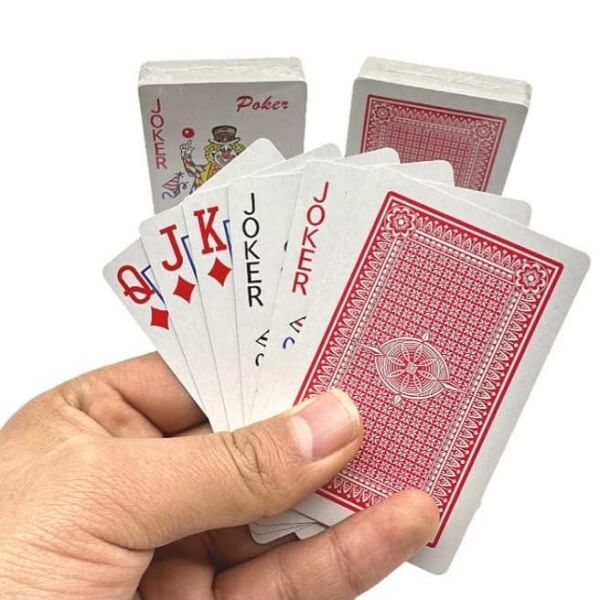
Get a Custom Non-Standard Playing Cards Quote from WellCards
Rule flexibility matters more than most designers expect. Tabletop groups routinely redefine card behavior mid-session — declaring Jokers wild, for instance. Which means a deck’s physical build has to accommodate whatever mechanic the designer eventually locks in. Waiting until after production to test edge cases wastes both time and printing budget.
Indie developers also benefit from thinking beyond adaptation. Instead of only reworking an existing game’s rule set, designers can invent original games from scratch, giving them full control over non-standard formats, card shapes, and deck sizes from the start.
What should a designer prepare before submitting artwork?
A finished rules document, a card list with exact quantities, and print-ready artwork files form the baseline. WellCards applies full OEM/ODM design support, translating original concepts into production-ready files instead of forcing designers to reverse-engineer standard templates.
Before committing to a full print run, designers should request the following:
A digital proof matching the final artwork layout.
A physical prototype for hands-on testing of card weight, finish, and shuffle feel.
A review pass confirming card counts, sizing, and any custom features like foiling or embossing.
WellCards builds proofs and prototypes into its development process, so specs get verified before mass production begins. Production runs through the company’s facility in Lanxi City, Zhejiang, China. Hands-on oversight keeps custom decks aligned with the original design intent.
How Do You Plan Non-Standard Card Sizes And Specs?
Non-standard card decks demand five decisions made before artwork ever reaches a printer: dimensions, corner treatment, stock, finish, and packaging. Skip that sequence, and indie developers risk reprint costs, warped proofs, or a deck that fails after a few dozen shuffles. WellCards works from custom sizes, foiling, and embossing options, letting tabletop designers move past the fixed poker or bridge dimensions that limit gameplay innovation.
Planning starts with the game itself, not the printer’s default template. A square deck for a memory game needs different tooling than a tall tarot-style card for a narrative RPG. Follow this sequence when specifying a non-standard deck:
Define the card’s function in gameplay — does it need to be drawn quickly, stacked, or held in a fan?
Lock the exact dimensions and corner radius before sending files for proofing.
Select a stock category based on expected shuffle frequency and durability needs.
Choose finishing details — foiling, embossing, hole punching — that support the mechanic, not just the aesthetic.
Confirm packaging specs match the deck’s final size and shipping method.
What Stock Should A Designer Choose For A Custom Deck?
Stock choice determines whether a non-standard deck survives repeated play or degrades after a few sessions. Premium paper suits lighter, frequent-shuffle games, while PVC holds up under heavier handling and longer campaigns. Manufacturers in this space typically offer a wide range of professional playing card grade stocks, sometimes numbering over a dozen, giving designers room to match material to gameplay intensity.
Are There Eco-Friendly Stock Options For Indie Decks?
Yes. Sustainable stock made from leafy plant material, carrying a natural brown tint, exists as an alternative to conventional card stock. Environmentally conscious developers building a niche or limited-run title can specify this option without sacrificing print clarity. Casino-grade production, printed to precise specifications, ensures these greener materials still hold up for gaming, promotional, or retail launches.
How Do You Design And Prototype Your Custom Deck?
Prototyping starts with treating the deck as a physical object, not just artwork on a screen. A deck of cards works because it gets shuffled, dealt, and displayed across a table. The tactile handling defines gameplay as much as the illustrations do. Designers who customize non-standard playing cards for tabletop and indie game projects need a prototype that behaves exactly like the final product before locking in specs.
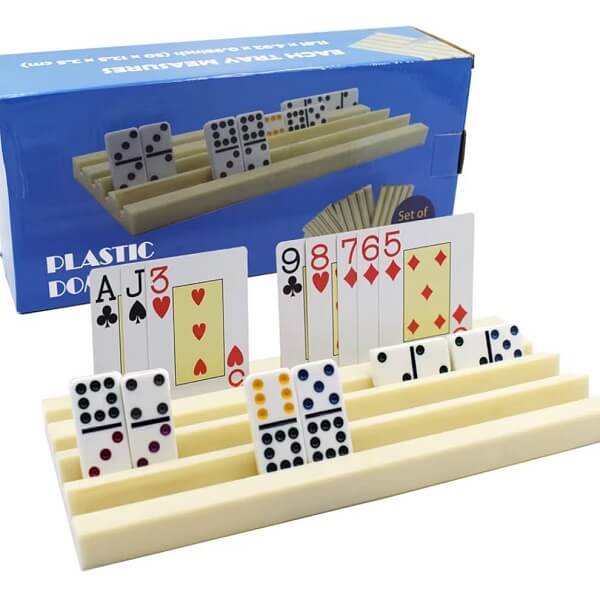
Get a Custom Non-Standard Playing Cards Quote from WellCards
What steps turn a design file into a physical prototype?
Follow this sequence to move from concept to a testable deck:
Finalize card dimensions, corner style, and stock weight based on the game’s mechanics.
Submit artwork files for a proof review, checking bleed, color accuracy, and card backs.
Order a physical sample batch, which typically ships within seven days.
Run the sample deck through active play sessions — shuffling, dealing, drawing, discarding, and repeated tapping.
Confirm the cards hold up after extended handling before committing to a bulk print run.
Each of those actions — the shuffle, the deal, the draw, the discard — puts real stress on card stock. Cheap prototypes fray or bend within a handful of sessions, which hides flaws that only surface during actual gameplay.
How much shuffling should a prototype survive?
A prototype should withstand at least 1,000 shuffles before edges soften or ink wears thin. That figure isn’t arbitrary; it gives designers a measurable benchmark instead of a vague “feels sturdy” impression. Testing against that number early catches stock or coating problems long before a Kickstarter backer or convention attendee ever touches the final deck.
Once samples pass durability checks, bulk production generally completes within two to four weeks. That window lets designers line up crowdfunding shipping dates or convention launches with confidence, rather than guessing at turnaround.
How Do You Choose Materials And Certified Finishes?
Certification status settles the material question before paper stock or coating ever enters the conversation. Indie developers who plan to ship decks internationally need documentation, not just good design. WellCards produces under EU/US compliance standards, giving self-publishing creators the paperwork required for retail placement and crowdfunding fulfillment across those markets. Skipping this step creates real risk: shipments held at customs, backers left waiting, and a launch reputation damaged before the first review lands.
Export logistics deserve equal weight. Decks bound for backers outside a designer’s home country move through certified channels built for global export, which keeps distribution predictable for tabletop projects with a scattered, international backer base.
What determines whether a deck qualifies for retail or crowdfunding distribution?
Certification does. Retailers and fulfillment platforms in the EU. US generally require proof that a product meets regional compliance standards before it enters their supply chain. Designers who confirm certification status early avoid last-minute fulfillment delays.
Budget realities shape material decisions just as much as compliance does. Factory-direct pricing structures cut production costs by 30 to 50 percent compared with routing orders through intermediary print brokers. For a self-funded indie project, that difference determines whether a print run happens at all.
A practical checklist for evaluating a manufacturing partner:
Confirm certification coverage for the target retail or shipping regions.
Verify export documentation applies to the specific card format and finish selected.
Compare factory-direct pricing against broker markups before committing to a print quantity.
Request written confirmation of compliance standards before finalizing artwork files.
Material choice matters, but certification and pricing structure decide whether that choice ever reaches a customer’s hands.
What Mistakes Should Indie Designers Avoid When Ordering?
Three errors cost indie designers the most time and money: skipping the prototype stage, bypassing samples, and leaving house rules undefined. Each mistake compounds during bulk printing, when corrections become expensive and slow. Designers who want to customize non-standard playing cards for tabletop and indie game projects need a process, not guesswork.
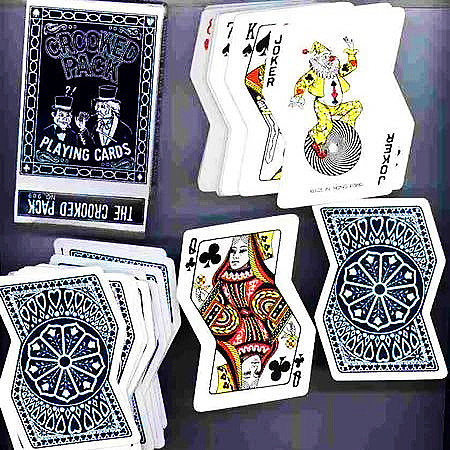
Get a Custom Non-Standard Playing Cards Quote from WellCards
Why does skipping the prototype step cause problems?
A physical prototype confirms sizing, stock weight, and finish before large-scale printing begins. Without one, a designer locks in specifications never actually verified by hand. That gap between digital mockup and printed card often surfaces only after thousands of decks exist.
Is it safe to skip samples and order in bulk right away?
Ordering in bulk without samples removes a critical review window. Samples typically arrive within seven days, giving designers a chance to catch errors before committing to a production run that takes two to four weeks. Skipping that window means flaws surface only after bulk production is already underway.
Documentation matters just as much as physical proofing. Designers who leave card interactions unrecorded. Which suits are wild, how a Joker triggers a discard, what happens when a specific rank enters play — invite ambiguity into the final layout. That ambiguity shows up as inconsistent iconography or misprinted symbols.
Common ordering mistakes, ranked by impact:
Approving bulk orders without a physical prototype
Requesting no samples before committing to full production
Leaving custom card interactions or house rules undocumented for the printer
Avoiding these three missteps keeps specifications accurate and gameplay logic intact from design file to finished deck.
Customizing non-standard playing cards for tabletop indie games requires balancing creative vision with production realities. Selecting appropriate materials, defining precise specifications, and partnering with manufacturers experienced in bespoke card production ensures your design translates accurately from concept to finished product. The investment in proper customization yields cards that enhance gameplay, reinforce brand identity, and deliver the durability your audience expects from professional-grade components.
FAQ
What do designers need before customizing playing cards?
Designers need original rules, a defined card count, and a clear sense of how each card behaves in play before sending files to a printer. This groundwork prevents wasted time and printing budget on untested mechanics.
What should designers prepare before submitting artwork?
A finished rules document, a card list with exact quantities, and print-ready artwork files form the baseline. WellCards provides full OEM/ODM design support, turning original concepts into production-ready files.
What decisions matter most when planning non-standard card sizes and specs?
Designers must decide dimensions, corner treatment, stock, finish, and packaging before artwork reaches a printer. Skipping this sequence risks reprint costs, warped proofs, or decks that fail after limited shuffles.
 English
 Deutsch
 Français
 Polski
 Português do Brasil
 Español
 日本語
日本語 Русский
 العربية
 Italiano
 Nederlands
 Türkçe
 한국어
한국어