
When it comes to paper playing cards, plastic playing cards, made from PVC or PET plastic, last significantly longer than paper cards, resisting water, bending, and wear. Paper cards cost less but degrade faster with regular use. WellCards, based in Lanxi City, Zhejiang, China, manufactures both options, with plastic recommended for frequent play and paper suited for casual or promotional use.
Durability separates these two materials: 100% plastic decks resist moisture and repeated shuffling far longer than paper, making them ideal for casino-style events. Plastic-coated paper offers an affordable, printable option suited to casual custom giveaways. WellCards, based in Lanxi City, Zhejiang, China, manufactures both types for branded orders.
Paper stock, typically 300-330 gsm with cotton or linen finish, offers classic snap and shuffle feel favored by magicians. PVC or plastic cards resist water, tearing, and heavy use. WellCards produces both in premium paper or PVC, backed by a 1,000+ shuffle durability guarantee, letting designers match material to gameplay demands, event frequency, and budget.
What Do You Need Before Choosing a Card Material?
Four things settle a card material decision: intended use, handling frequency, budget, and moisture exposure. Skip any one of these, and a deck built for a magic trick ends up warping under casino lighting, or a promotional giveaway falls apart after one shuffle. The material itself is the substrate that forms the deck — usually paper card stock, plastic-coated paper, or full plastic. That substrate determines shuffle feel, print sharpness, moisture resistance, and how long cards survive repeated handling.
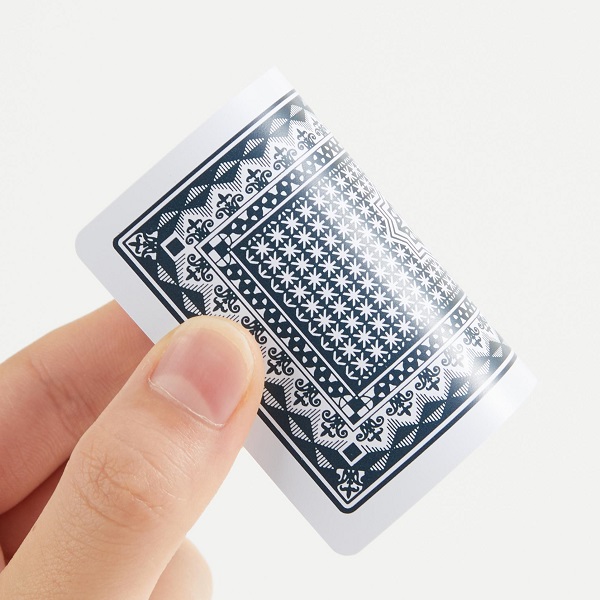
Get a Custom Playing Card Quote from WellCards
What counts as a card material, exactly?
Substrate is the base layer under the printed design. Paper playing cards rely on layered card stock, often with a linen or air-cushion finish for grip. Plastic playing cards use PVC or plastic-coated cores built to resist bending, staining, and water damage during long tournament sessions.
Deck creators can work through the decision in order:
Define the use case — retail giveaway, tournament play, or collector’s edition.
Estimate handling volume — occasional games versus daily shuffling.
Weigh moisture exposure — poolside events, bar tops, or humid venues.
Match the substrate to those conditions before committing to a print run.
WellCards produces from a manufacturing facility in Lanxi City, Zhejiang, China, offering both premium paper and PVC options for custom playing card orders. Neither material wins universally — paper suits collectible and artisan decks, while plastic holds up under professional, repeated play. Before scaling to a bulk order, WellCards includes proofs and physical prototypes, so designers confirm stock, finish, and print quality on their own cards, not a generic sample.
How Does Paper Stock Perform for Custom Decks?
Paper playing cards rank among the most precisely manufactured paper products in the world. Specialized printing equipment shapes their distinctive look, feel, and durability. A fact that separates them from anything found at an office supply store. Custom deck creators who assume “paper” means simple stock are working from an outdated picture.
The paper used in playing cards is not standard printing material. Manufacturers engineer it specifically for repeated handling, crisp shuffling, and consistent snap over the life of a deck. That engineering matters for magicians who need predictable card control. For tournament organizers who need decks that hold up across multiple sessions.
WellCards builds custom paper decks with production options suited to branded and promotional work:
Custom sizing for non-standard deck formats
Foiling for premium finishes on box art or card backs
Embossing for tactile branding elements
Full OEM/ODM design support from concept to proof
Do Paper Decks Hold Up to Repeated Shuffling?
Durability remains the top concern for indie publishers ordering paper stock at scale. WellCards backs its custom paper playing cards with a 1,000+ shuffle durability guarantee, giving buyers a measurable performance benchmark rather than a vague promise.
Are Paper Decks Compliant for EU and US Markets?
Compliance questions come up fast for promotional marketers shipping internationally. WellCards paper-based production meets EU/US standards across FSC, REACH, and EN71. Three certifications that matter for retail placement and children’s product categories alike. Distributors selling into regulated markets avoid costly rework by confirming these standards before production begins, not after a shipment gets held at customs.
How Does Plastic Stock Perform for Custom Decks?
Durability sets plastic playing cards apart from every paper alternative on the market. Made from PVC or comparable synthetic materials, these cards resist bending, tearing, and moisture damage far better than standard stock. Card designers who ship decks internationally, or run events with heavy handling, gain a real margin of error.
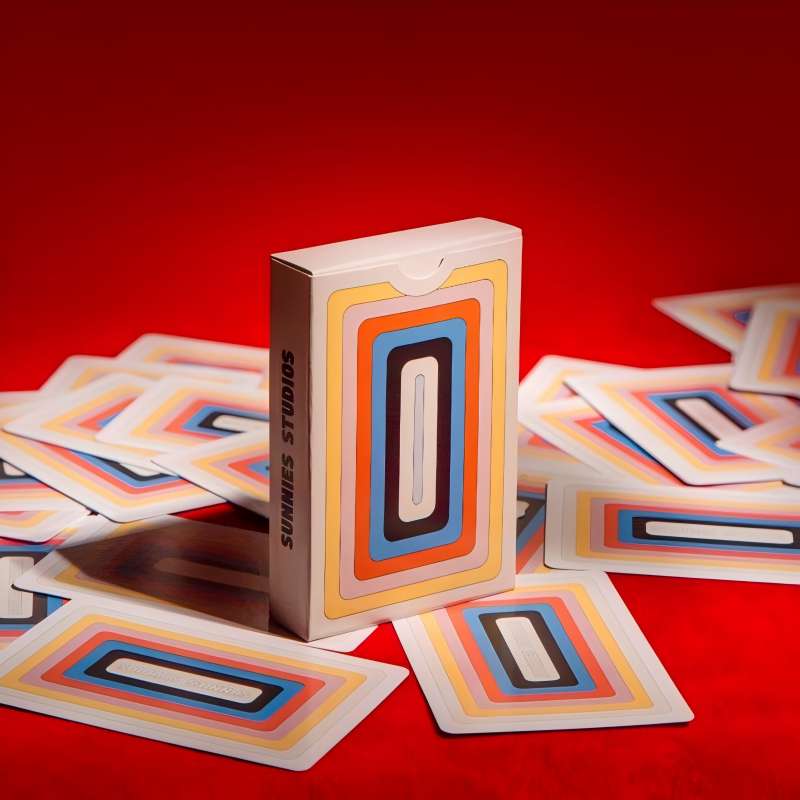
Get a Custom Playing Card Quote from WellCards
Casino floors make the stakes obvious. Cards there function as operational assets, not props. Every table, every shuffle, every hand puts material quality to the test. A deck that fails under pressure costs a tournament organizer more than reprint fees; it costs credibility.
WellCards builds casino-grade custom playing cards to precise specifications for gaming, promotional, and retail programs. Production covers both plastic and premium paper substrates. A magician chasing a specific snap-and-bend feel has options beyond synthetic stock. Two features matter most for teams comparing materials for a production run:
EU/US certification on plastic and PVC decks, keeping export compliance intact for cross-border retail and promotional distribution.
Full OEM/ODM design support, covering custom branding, sizing, and finish specifications from concept through final production.
Is plastic stock worth it for a tournament deck?
For repeated, high-frequency play, yes. Tournament organizers running back-to-back sessions need cards that hold shape after hundreds of shuffles. Synthetic stock delivers that resilience where paper playing cards wear thin faster. Promotional decks meant for a single event, by contrast, often perform fine on premium paper stock at lower unit cost.
Choosing between the two comes down to handling frequency, not preference. Indie publishers producing collector editions may favor paper’s tactile finish; poker rooms and casino promotions favor plastic’s structural staying power.
Which Material Fits Your Specific Use Case?
Two variables decide the right stock: how often the deck gets shuffled, and what the audience expects to hold. Skip the wrong choice and a promotional run looks cheap. Overspend on the wrong one and margins shrink for no gain.
Plastic-coated paper playing cards suit branded giveaways and one-off promotional drops. Affordable and easy to print, this stock handles casual play without falling apart after a single session. Magicians favor it too, since the snap and bridge feel closer to traditional card stock.
Full plastic playing cards belong in a different tier. Corporate gift programs, casino-style events, and tournament tables that see repeated handling call for the moisture resistance and extended lifespan that 100% plastic construction provides. Poker organizers running multi-day events lean on this durability to avoid marked or warped decks mid-tournament.
Which stock works best for a first production run?
Designers testing a new deck concept should request samples before committing to volume. WellCards ships samples within seven days, then moves into bulk production over two to four weeks. A window that lets creators confirm feel, print quality, and card weight before scaling.
For larger runs, WellCards’ Lanxi facility supports minimum orders starting at 500 decks and production capacity above 1 million decks monthly, covering everything from a small publisher’s first print to a full tournament circuit’s annual supply.

Get a Custom Playing Card Quote from WellCards
What Mistakes Should You Avoid When Selecting Stock?
Card stock selection fails most often before a single sheet reaches the press. Skipping the use-case question first causes mismatched durability and wasted budget down the line. Five errors account for nearly every stock mistake among deck producers, and each one is avoidable with the right sequence.
Define the deck’s job before picking a substrate. A magician running close-up tricks needs different handling than a poker room hosting eight-hour tournaments. Paper playing cards and plastic playing cards respond differently to repeated shuffling, humidity, and folding.
Confirm compliance paperwork before placing an order. FSC, REACH, and EN71 documentation keeps shipments moving through customs across more than 200 destination countries instead of stalling there.
Request a physical prototype before committing to a full run. Skipping this step risks specification errors on foiling, embossing, or corner rounding that digital proofs alone rarely catch.
Ask about the manufacturer’s quality-control stages. Checks limited to a single phase miss defects that pre-press, printing, and final inspection catch together.
Buy direct from a certified factory instead of a reseller. Middlemen markups can push costs 30 to 50 percent above factory-direct pricing.
Does paper or plastic cost more over time?
Paper stock costs less upfront but wears faster under heavy shuffling, forcing more frequent reorders. Plastic stock carries a higher initial price yet resists creasing and moisture far longer, which matters for tournament organizers and promotional marketers running repeat events.
Why does skipping a prototype create risk?
A prototype confirms size, texture, and finish before thousands of decks lock into production. WellCards credits the prototype cost back to the finished order, removing the financial downside of that verification step entirely.
The selection between paper and plastic custom playing cards ultimately reflects your specific operational requirements, durability expectations, and end-use environment. Paper constructions deliver cost efficiency and traditional tactile performance suitable for standard applications. Plastic formulations provide superior longevity and resistance to wear, moisture, and handling stress. Both materials meet rigorous compliance standards and accommodate comprehensive customization options. Your choice establishes the foundation for product performance and client satisfaction across your intended market segment.
FAQ
Which material lasts longer, paper or plastic?
Plastic decks resist moisture and repeated shuffling far longer than paper, making them ideal for casino-style events. Paper stock suits collectible and artisan decks, while plastic holds up under professional, repeated play.
What gsm and finish do paper playing cards use?
WellCards uses 300-330 gsm paper stock with a cotton or linen finish, delivering the classic snap and shuffle feel favored by magicians. This engineering supports predictable card control and consistent handling.
Does WellCards offer custom finishes for paper decks?
Yes, WellCards builds custom paper decks with foiling, embossing, custom sizing, and full OEM/ODM design support. All decks, paper or PVC, carry a 1,000+ shuffle durability guarantee.
 English
 Deutsch
 Français
 Polski
 Português do Brasil
 Español
 日本語
日本語 Русский
 العربية
 Italiano
 Nederlands
 Türkçe
 한국어
한국어