
Custom playing cards are a memorable way to bring ideas to the table — for friends, events, or business. This guide explains the steps to design, prototype, and print decks that feel professional. If you’re unsure about materials or printing options, you’ll find practical advice on design, card stock, printing methods, and how to order bulk custom playing cards . By the end, you’ll know how to produce decks that stand out.
What Are the Key Steps in the Custom Card Design Process?
The design process becomes straightforward when you follow a few steps: define your audience and the feeling you want, use reliable design software to create clean layouts, then prototype to test legibility and balance. Early feedback helps catch issues before production.
Get a Custom Playing Cards Quote from WellCards
How to Create Effective Custom Playing Card Designs
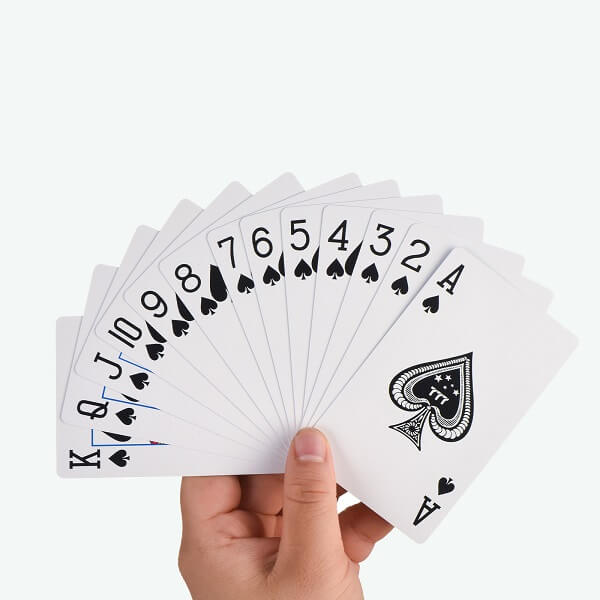
Good card design balances creativity and clarity. Use color and contrast to guide attention, and keep suits, numbers, and icons readable. Maintain consistent composition across the deck; a clear theme or original artwork makes decks memorable.
Which Tools and Software Facilitate Custom Card Design?
There are tools for every skill level. Editors like Canva or Adobe Express speed basic layouts. For full control, pro apps such as Adobe Illustrator and Photoshop provide precise typography, color separation, and print-ready exports. Match the tool to your skill and your printer’s file specs.
What Card Stock Types Are Best for Custom Playing Cards?
Card stock determines handling and lifespan. Standard paper, linen finish, and plastic each offer different durability and feel — choose the material that suits how the cards will be used and the impression you want.
This comparison highlights how material choice affects handling and longevity.
How Do Different Card Stock Materials Affect Durability and Feel?
Material affects feel and durability. Standard paper suits casual decks but wears sooner. Linen adds texture and resilience for a professional shuffle. Plastic costs more but resists water and heavy wear, ideal for outdoor or frequent use.
What Are Eco-Friendly Card Stock Options for Sustainable Playing Cards?
If sustainability matters, seek recycled or FSC-certified stocks. Many manufacturers use responsibly sourced fibers or recycled materials to reduce impact. Eco options can reinforce your brand while keeping quality.
Which Printing Technologies and Finishing Options Enhance Custom Playing Cards?
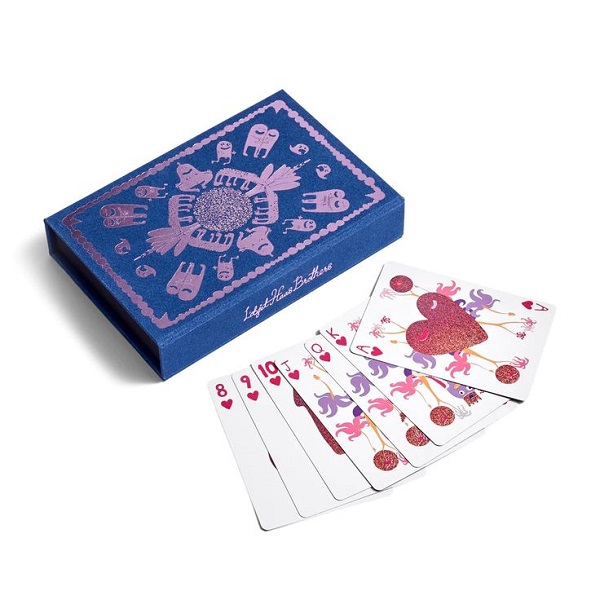
Printing method and finish provide the final polish. Digital and offset each have advantages by run size and color needs; finishes like lamination or UV coating protect and enhance appearance. Knowing options helps balance quality and budget.
Get a Custom Playing Cards Quote from WellCards
What Printing Techniques Are Used in Bulk Card Manufacturing?
For bulk jobs, printers use digital or offset. Digital is flexible for small batches; offset is more cost-effective for larger runs and yields consistent color. Choose the process that fits your project’s scope and budget.
Further reading examines specific quality differences and common issues between digital and offset printing.
Digital vs. Offset: Print Quality for Custom Cards
An industry survey compares the shared and distinct print quality issues that appear in offset and digital workflows. The study finds overlapping color-related demerits, while differences arise from (1) the underlying technologies and (2) the printing standards applied.
A survey of digital and offset print quality issues, 2007
How Do Finishing Options Impact the Look and Longevity of Cards?
Finishing improves look and durability. Lamination (glossy or matte) resists scratches, UV coating increases contrast and protection, and embossing adds tactile detail. Pick finishes that match how the deck will be used.
Academic research further explores finishing technology impacts, particularly for offset printing on thicker board materials.
Offset Printing Quality for Solid Board Card Stock
The study outlines key quality parameters for finishing technologies used in offset printing on solid board materials, showing how different materials and finishes influence final product quality.
Significant Quality Parameters of Finishing Technology in Offset Printing on Solid Board Boxes Depending on the type of Material, 2019
How to Order Bulk Custom Playing Cards and Request a Quote?
Ordering bulk custom cards usually follows a clear process: choose a specialist printer, confirm material and finish, submit artwork, and request a quote. Vendors often guide you through stock and production options; after you submit specs and quantities, the printer will provide a formal quote and timeline.
What Is the Bulk Card Manufacturing Process for B2B Clients?
For B2B projects, manufacturers run stages like design approval, scheduling, printing, and quality inspection. You’ll approve a proof before full production, which helps ensure the shipment meets your specs.
How to Navigate the Quote Request Process for Personalized Card Decks?
Speed up quotes by providing clear specs: card size, stock, printing method, quantity, and finishing. Share design files or examples and list special requests. Clear communication reduces surprises and shortens turnaround.
How to Make Custom Playing Cards | FAQs
What are the common uses for custom playing cards?
Custom cards work for game nights, wedding favors, promotional items, corporate gifts, educational tools, themed decks, or specialty games. Their versatility suits both personal and marketing uses.
How can I ensure the quality of my custom playing cards?
Ensure quality by choosing a reputable printer and requesting samples. Check past work to confirm materials and print standards, review proofs closely, and communicate expectations clearly.
What design elements should I consider for my custom playing cards?
Prioritize readable typography, consistent iconography, and a balanced color palette. Make numbers and suits easy to see and keep backs and faces visually unified. Unique illustrations or cohesive themes strengthen the deck.
Are there any size restrictions for custom playing cards?
Most printers offer standard sizes like poker (2.5 x 3.5 inches) and bridge (2.25 x 3.5 inches) and can make custom dimensions. Non-standard sizes may affect cost and setup—confirm availability and fees with your printer.
What is the typical turnaround time for custom card orders?
Turnaround depends on complexity and quantity. Small digital jobs can ship within a week; offset takes longer but is efficient for large runs. Ask your printer about schedules when requesting a quote.
Can I make changes to my order after it has been placed?
Changes are usually allowed during design or proofing. Once printing starts, modifications become harder and may add cost or delay. Finalize specs early and notify your printer promptly if adjustments are needed.
Conclusion
Designing custom playing cards combines creativity with practical material and printing choices. With clear designs, appropriate stock, and the right print method, you can make decks that look great and last. Ready to begin? Explore custom printing options and bring your deck to life.
 English
 Deutsch
 Français
 Polski
 Português do Brasil
 Español
 日本語
日本語 Русский
 العربية
 Italiano
 Nederlands
 Türkçe
 한국어
한국어