
When it comes to playing cards materials, plastic-coated paper offers the best balance of affordability, printability, and durability for casual play. 100% plastic cards deliver superior longevity and moisture resistance for casino-style or heavily handled decks. Producers like WellCards, based in Lanxi City, Zhejiang, China, manufacture such card stocks for varied playing needs.
Cardstock, plastic (PVC), and linen-finish paper top the list for serious players and cardists, each suited to different needs: PVC withstands 1,000+ shuffles for magicians and casino-grade decks, linen finishes add grip for cardistry, and smooth-coated stock delivers effortless glide preferred by competitive poker players.
Why Does Playing Card Material Matter So Much?
Cardstock decides more than looks. Playing cards materials shape shuffle feel, print clarity, moisture resistance, and how long a deck survives repeated handling. A cardist reshuffling the same deck fifty times a night puts different demands on paper than a poker player working a weekend tournament.
Wear shows up fast when material choice gets ignored. Edges soften, corners fray, and a false shuffle becomes obvious under casino lighting. Magicians lose the illusion the moment a deck starts feeling sticky or warped from a sweaty palm.
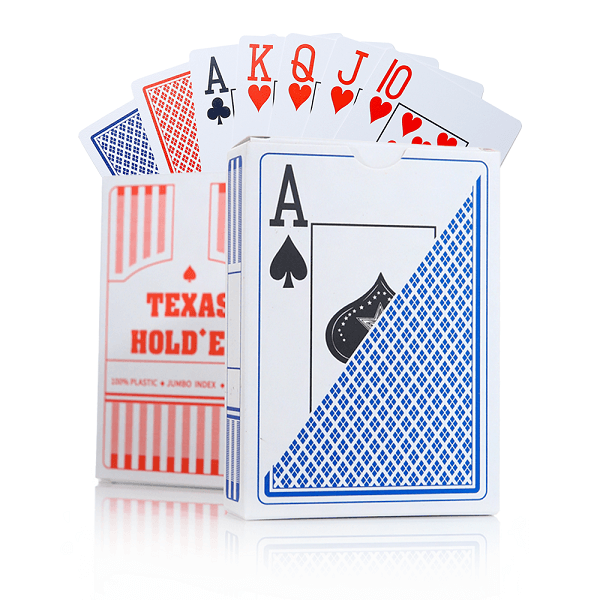
Get a Custom Playing Card Quote from WellCards
Does Card Material Actually Affect Gameplay?
Yes — texture and coating change how a deck handles mid-game. A smooth-finish stock glides through riffles and fans. A rougher linen-style surface grips just enough to prevent slippage during one-handed cuts. Moisture resistance also matters here: a deck that absorbs humidity swells at the edges and breaks the fan.
Matching material to purpose matters as much as the material itself. A tournament deck, a collector’s set, and a promotional giveaway each carry different expectations from the people holding them. Aligning deck quality with intended use and audience expectations keeps a product from underperforming its purpose.
WellCards builds every deck around that standard. Its guarantee covers more than 1,000 shuffles before a deck shows wear. A benchmark aimed squarely at players who shuffle for a living, not just an evening.
Consider how material stacks up across common priorities:
Material is the foundation. Everything else — snap, print sharpness, longevity — builds on it.
What Are the Main Playing Card Materials?
Three substrates dominate deck production: paper card stock, plastic-coated paper, and full plastic. Each one changes how a deck feels in the hand, how it survives a riffle shuffle, and how long a cardist can push it before edges fray.
Paper card stock forms the base layer for most decks on the market. It takes ink cleanly and keeps production costs low, which matters for game designers running short print cycles. Plastic-coated paper adds a thin polymer layer over that same paper core, giving shuffles a smoother glide without the full cost jump to solid plastic. Full plastic decks skip paper entirely. They resist water, oil from fingertips, and the wear that kills a paper deck after a few dozen sessions.
WellCards works across two of these categories. Custom playing cards come in premium paper or PVC material options, letting a poker league or a magician pick stock based on grip, longevity, or budget. Custom sizes, foiling, and embossing extend across that material lineup, so a cardist chasing a specific flourish deck isn’t locked into one finish.
Which material holds up best for competitive play?
Casino floors and serious tournament players lean toward PVC and plastic-coated stock because both resist bending under repeated shuffling. Paper decks wear faster under heavy daily use but remain the standard choice for casual game nights and promotional giveaways.
Does material choice affect print quality?
Yes. Surface texture changes how ink sits on the card face, which affects color sharpness and foil adhesion. WellCards prints its casino-grade playing cards to precise specifications, matching material to intended use. Gaming tables, brand promotions, or retail shelf runs — so print quality holds up regardless of the substrate selected.
Which Material Shuffles Best: Paper, Coated, or Plastic?
Smooth-finish stock wins the shuffle test outright. Cardists and magicians reach for it because the surface glides during riffles, fans, and one-handed cuts without catching or sticking. Plastic resists tearing and moisture better than anything else on the table. That toughness comes with a stiffer feel and a higher production cost. Coated paper lands in the middle, offering print clarity and durability without the premium price tag.

Get a Custom Playing Card Quote from WellCards
Choosing among playing cards materials comes down to what a deck needs to survive. A poker player running weekly home games wants something that won’t warp after a beer spill. A game designer prototyping a new title cares more about print cost per unit. Cardists want glide above all else.
Does plastic-coated paper hold up for repeated play?
Plastic-coated paper handles casual and moderate play well. It costs less than full plastic while still printing cleanly and resisting everyday wear, which explains why so many branded and promotional decks use it.
Why do magicians prefer smooth-finish cards over plastic?
Magicians prioritize glide over toughness. Smooth-finish cards move faster through the hands during false shuffles and flourishes. That responsiveness matters more to a performer than a slightly shorter deck lifespan.
Manufacturing consistency matters just as much as material choice. Producing over one million decks monthly demands tight control across every batch, so finish and card weight stay uniform from the first deck to the ten-thousandth.
How Do Textures Like Linen and Smooth Feel?
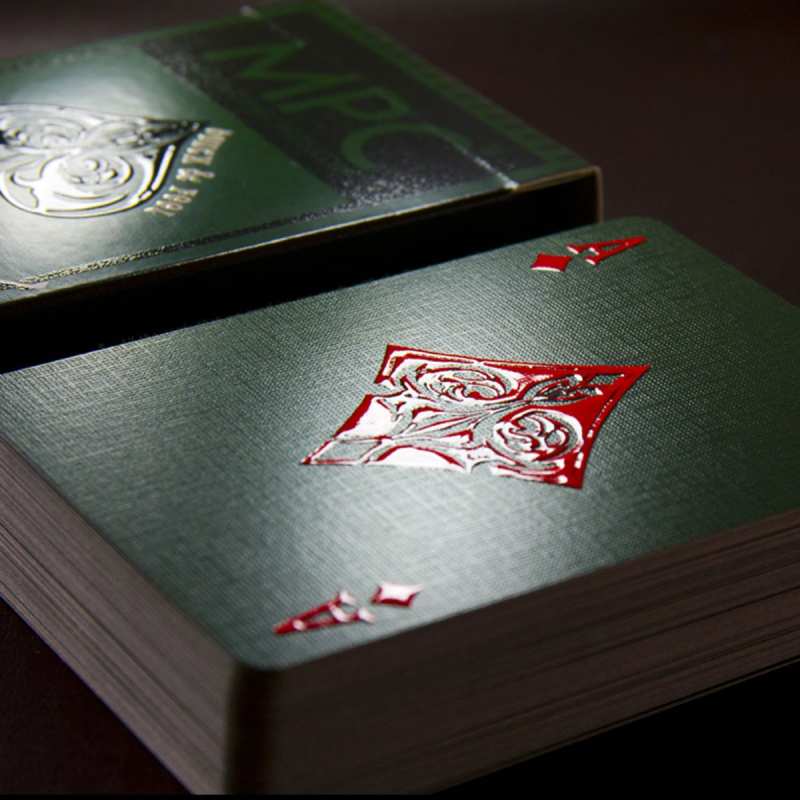
Grip and glide define the tactile experience of every deck. Linen-finish stock creates a slightly rough surface, adding friction that keeps cards anchored in the hand. Smooth-coated stock does the opposite, gliding across fingers with minimal resistance.
For players who log hours at the table, texture isn’t cosmetic — it’s functional. Playing cards materials with a linen texture reduce slipping during extended sessions, a real concern for poker players holding a hand for hours or magicians executing repeated cuts. Smooth finishes, by contrast, favor speed-focused cardists chasing fluid shuffles and fans.
Get a Custom Playing Card Quote from WellCards
Does Linen Texture Improve Card Handling?
Yes. The textured surface adds grip that keeps cards from sliding out of a sweaty palm or slipping mid-deal. That extra hold matters most in long tournaments or repeated practice sets, where one misplaced card breaks concentration fast.
WellCards produces both finishes using stock that satisfies EU and US compliance standards, backed by full certifications for international export. That matters for designers shipping custom decks across borders without customs headaches.
Customization extends beyond surface feel. WellCards offers:
Foiling for accent details on card backs or faces
Embossing for raised, tactile logos
Rounded corners for smoother handling and reduced wear
Hole punching for sample or marked decks
Texture choice, in the end, comes down to purpose: grip for control, glide for flourish. Neither wins outright — the game decides.
How Does WellCards Guarantee Durable, Compliant Cards?
Durability starts with process, not luck. WellCards runs triple-check quality control across three stages: pre-press, printing, and final inspection. A card that survives a poker table for years, or a magician’s daily flourish routine, needs more than good stock. It needs a factory that inspects at every checkpoint rather than just at the end.
Three decades of production experience back that process. Operating from Lanxi City, Zhejiang, China, WellCards has spent more than 30 years refining how paper and PVC decks hold up under repeated shuffling, bending, and handling. The exact stress cardists and poker players put on a deck daily.
What does triple-check quality control actually catch?
Pre-press review confirms artwork, color separation, and specs before a single sheet gets printed. Printing-stage checks catch registration or coating errors in real time. Final inspection screens finished decks for warping, edge defects, or inconsistent playing cards materials before packaging.
How fast can players get certified samples?
Samples arrive within seven days, and bulk production wraps in two to four weeks. That timeline matters for game designers testing prototypes or poker rooms restocking before a tournament deadline.
Pricing reflects the factory-direct model. Buyers save 30 to 50 percent compared to standard market rates. No middleman markup sits between the press and the customer. For cardists, magicians, and designers who order repeatedly, that margin compounds fast. Money saved on unit cost becomes budget for better foiling, custom finishes, or larger print runs down the line.
FAQ
What is the best material for playing cards?
Plastic-coated paper balances affordability, printability, and durability for casual play. 100% plastic cards offer superior longevity and moisture resistance for casino-style or heavily handled decks.
Does the material of a deck really affect gameplay?
Yes, texture and coating change handling: smooth-finish stock glides through riffles and fans. Linen-style surfaces grip enough to prevent slippage during one-handed cuts, and moisture resistance keeps edges from swelling.
How durable are PVC playing cards compared to paper?
PVC withstands 1,000+ shuffles, making it suited for magicians and casino-grade decks. Paper card stock wears faster and fits shorter print cycles and lower-budget production needs.
 English
 Deutsch
 Français
 Polski
 Português do Brasil
 Español
 日本語
 Русский
 العربية
 Italiano
 Nederlands
 Türkçe
 한국어