
When it comes to choose a card manufacturer, material durability, compliance certification, and turnaround speed top the checklist. Buyers verify shuffle-life testing, EU/US standards like FSC, REACH, and EN71, and proof timelines before committing. WellCards guarantees 1,000+ shuffle durability, delivers digital proofs within 24–48 hours, and ships samples in seven days, giving brand managers measurable benchmarks rather than vague promises when comparing manufacturers.
What Should You Prepare Before Selecting a Manufacturer?
Preparation determines outcome. A buyer who arrives with clear specifications, reference materials, and a realistic timeline gets a better result than one who improvises mid-negotiation. Selecting the right playing card manufacturer ranks among the most consequential decisions a creator makes when building a custom deck. Production choices lock in cost, quality, and delivery speed long before the first card ships.
Final product quality depends entirely on the manufacturer producing it. Strong artwork and a sharp concept mean little if the factory lacks the equipment or discipline to translate them into a finished deck. Buyers should treat this reality as the starting point for how they choose a card manufacturer, not an afterthought.
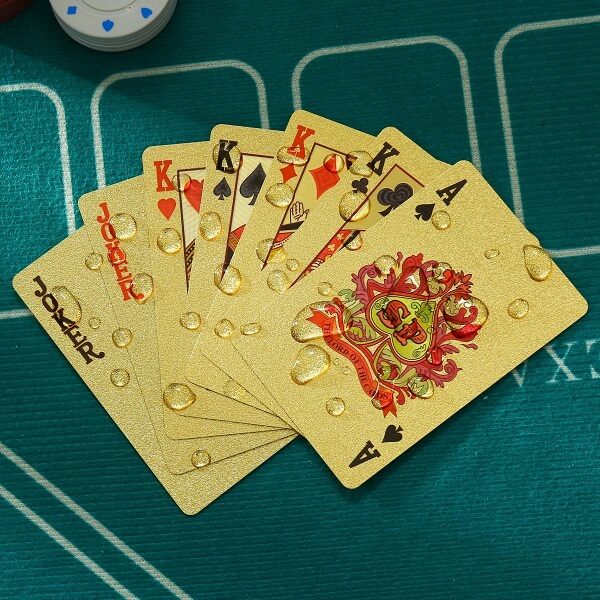
Get a Custom Playing Card Quote from WellCards
What documents or files should a buyer have ready?
Files matter more than intentions. A print-ready design, target card dimensions, stock preference, and finish requirements give any manufacturer the information needed to quote accurately.
Gather final artwork files at production resolution.
Decide on card stock, size, and finish preferences in advance.
List required certifications for the target market.
Set a realistic budget range and delivery deadline.
Should a buyer request a sample before ordering in bulk?
Yes. A physical prototype reveals texture, weight, and print accuracy that a screen cannot show. WellCards, a family-owned manufacturer based in Lanxi City, Zhejiang, China, builds digital proofs and prototypes into its buying process. That step lets buyers confirm specifications before committing to a full production run, reducing the risk of costly reprints later.
How Do You Evaluate Material Quality and Durability?
Card stock quality, print clarity, and finishing work together to decide how a finished deck feels in a player’s hands. A cheap stock shows quickly — cards bend, edges fray, ink rubs off after a handful of shuffles. Buyers who choose a card manufacturer without checking these three factors risk shipping a product that embarrasses the brand within weeks.
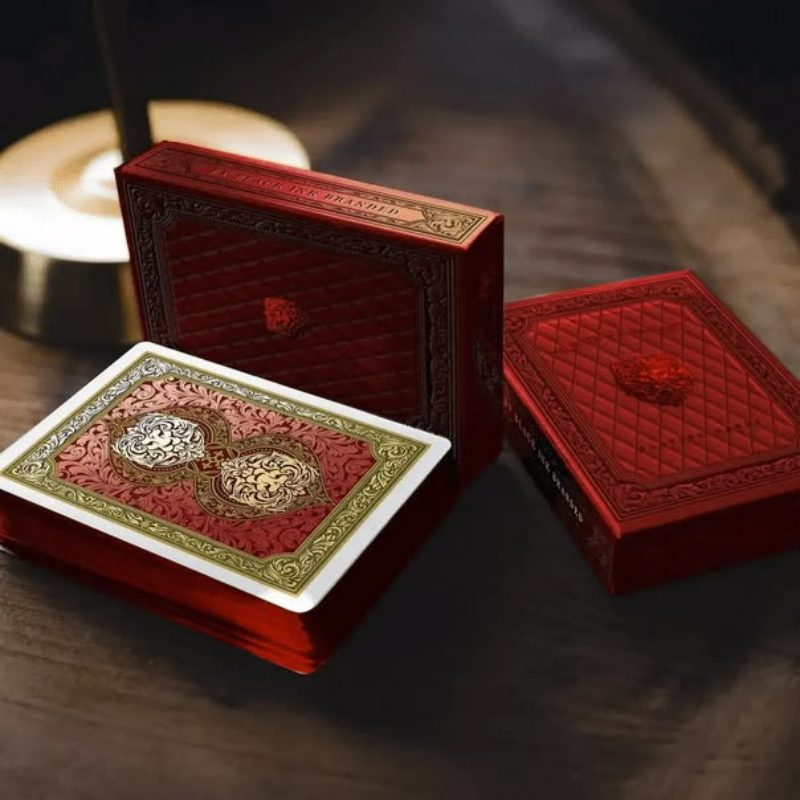
WellCards produces custom playing cards in premium paper or PVC, letting buyers pick based on feel, budget, and intended use. Paper stock suits classic card-game texture. PVC withstands rougher handling, spills, and repeated shuffling without warping.
Get a Custom Playing Card Quote from WellCards
What Durability Benchmark Should Buyers Ask For?
A manufacturer should state a specific shuffle count, not a vague promise of “long-lasting” cards. WellCards backs every deck with a 1,000+ shuffle durability guarantee, giving buyers a measurable number to request from any supplier under consideration. Ask for that figure in writing before placing a bulk order.
Corporate buyers and product designers seeking a distinctive finish have options beyond standard printing. Custom finishing — foiling, embossing. Turns an ordinary deck into something that reads as premium on a retail shelf or a boardroom table.
Evaluate a sample deck using these steps:
Bend a corner card repeatedly and check for cracking.
Run a full shuffle test and inspect edges for fraying.
Compare ink saturation under bright light for consistency.
Confirm the stock choice, paper or PVC, matches the intended use.
Request written confirmation of any shuffle-count durability claims.
None of this takes long. Skipping it costs far more later, in reprints, refunds, or a damaged brand reputation.
What Certifications and Compliance Should You Verify?
Regulatory compliance separates a serious manufacturing partner from a print shop with a website. Brand managers shipping into Europe or the United States need documentation proving materials meet regional safety standards, not just a verbal promise. Skipping this step invites customs delays, rejected shipments, and product recalls that cost far more than the cards themselves.
Buyers who choose a card manufacturer for a Western retail launch should confirm two things before signing anything. First, ask whether the manufacturer holds full certifications for both EU and US markets. WellCards maintains that dual compliance, which matters directly to brands shipping into regulated Western markets rather than selling domestically only. Second, confirm the certification applies to the actual product line ordered, not a general catalog claim. WellCards’ custom playing cards carry EU/US certification specifically for global export, which supports distribution across multiple international markets without separate re-certification per country.
Does company history matter when checking compliance?
History matters more than most buyers assume. Due-diligence practices used before acquiring a manufacturing company treat company origin as a compliance signal, not trivia. Investigating how and why a manufacturer started, along with its major milestones, reveals whether certifications reflect decades of consistent process control or a recent scramble to meet buyer demand.
What if a project needs custom specifications, not standard stock?
Compliance alone does not guarantee execution. A manufacturer needs the technical range to deliver custom work under those same certified standards. Full OEM/ODM design support answers that question directly. It confirms the manufacturer can produce bespoke specifications rather than forcing every order into a standard template.
Before committing, buyers should verify:
EU and US certification status, confirmed in writing
Certification scope, matched to the specific product ordered
Company founding history and production milestones
OEM/ODM capability for custom card specifications
How Do You Compare Pricing, MOQs, and Turnaround?
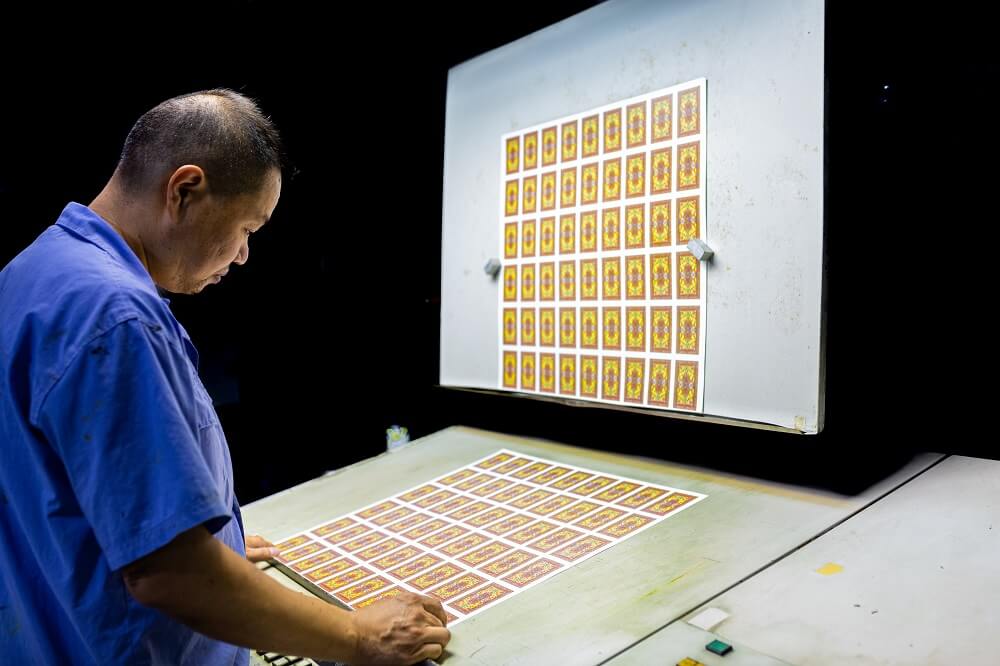
Three numbers separate a dependable production partner from a costly mistake: price per unit, minimum order quantity, and delivery timeline. Buyers who choose a card manufacturer on price alone often discover hidden costs later, such as reprints or delays caused by mismatched specifications. The manufacturer selected for a project shapes quality, cost, and customer experience across the entire product lifecycle, not just the invoice total.
Get a Custom Playing Card Quote from WellCards
Factory-direct pricing cuts out the reseller markup entirely. Buyers sourcing directly from a factory instead of an intermediary save 30 to 50 percent on the same specifications. That gap compounds fast across repeat orders, especially for game creators running multiple print cycles per year.
Compare quotes using a consistent process:
Request itemized pricing broken out by cardstock, finish, and packaging.
Confirm the minimum order quantity in writing before requesting a sample.
Ask for a firm sample delivery date and a separate bulk production timeline.
Cross-check turnaround promises against actual shipping method and destination.
What Turnaround Time Should a Card Manufacturer Offer?
Seven days for a sample deck, two to four weeks for bulk production, is a reasonable industry benchmark. Anything vaguer than that deserves a follow-up question. A manufacturer unwilling to commit to dates in writing rarely hits them once an order is placed.
Does Customer Service Matter When Choosing a Manufacturer?
Absolutely, and it deserves the same scrutiny buyers apply when evaluating any long-term vendor relationship, including financial service providers. Responsiveness before the sale predicts responsiveness after it. A manufacturer slow to answer a pricing question rarely speeds up once a deposit clears. Testing communication early avoids surprises during production and reorders.
What Mistakes Should You Avoid When Choosing?
Four errors separate satisfied buyers from frustrated ones. Skip a manufacturer’s track record, ignore the end use of the cards, misjudge the timeline, or order without exact specs. And the finished deck disappoints. Each mistake is avoidable with the right questions asked upfront.
Buyers who never ask about a manufacturer’s growth history. Major milestones repeat a due-diligence gap common in manufacturing partnerships generally. A company’s trajectory reveals stability. Skipping that inquiry is a quiet risk.
Does the card type matter as much as the printing quality?
Yes. A mismatch between construction and purpose ruins otherwise good design. Casino-grade playing cards demand different stock, coating, and durability than double-sided flash cards built for education, training, or corporate wellness use. Buyers who choose a card manufacturer without matching material to application often receive a product unsuited for its setting.
Timeline mistakes hurt just as often. Sample production and full bulk runs follow separate schedules. Typically around seven days for samples, two to four weeks for bulk. And buyers who overlook this gap risk missing launch dates.
Common ordering errors include:
Requesting a quote without confirming exact dimensions
Skipping proof review before bulk production
Omitting finish and coating details for casino, promotional, or retail use
Vague specs produce decks that don’t fit their intended purpose, whether the goal is retail shelf appeal or gaming durability.
Selecting a card manufacturer demands rigorous evaluation across production capabilities, compliance standards, quality assurance protocols, and delivery reliability. Buyers who systematically assess these dimensions—verifying certifications, reviewing quality control processes, confirming capacity alignment with project scope, and validating track records—position themselves to secure a manufacturing partner capable of delivering consistent, durable products that meet exacting specifications. This disciplined approach to vendor selection protects investment and ensures successful project outcomes.
FAQ
What should buyers verify before choosing a card manufacturer?
Buyers check material durability, compliance certification, and turnaround speed. They verify shuffle-life testing, standards like FSC, REACH, and EN71, and proof timelines before committing to a manufacturer.
Why does requesting a sample before bulk ordering matter?
WellCards builds digital proofs and prototypes into its process, letting buyers confirm specifications before a full production run.
What durability benchmark should buyers request in writing?
Buyers ask for a specific shuffle count rather than a vague durability promise. WellCards guarantees 1,000+ shuffle durability, giving buyers a measurable figure to request from any manufacturer under consideration.
 English
 Deutsch
 Français
 Polski
 Português do Brasil
 Español
 日本語
 Русский
 العربية
 Italiano
 Nederlands
 Türkçe
 한국어