
Selecting the correct cardstock is essential for producing durable, high-quality custom playing cards. Material choice directly affects longevity, appearance and the player experience. This guide outlines key factors—types, thickness, finishes, and sustainable options—to help you choose materials that meet your specifications.
Begin with a clear understanding of cardstock types: each option influences tactile feel and long-term performance. The appropriate selection improves gameplay and user satisfaction.
Types of Cardstock
Main categories include paper, plastic and linen cardstock, each with distinct properties and applications. To review available formats and specifications, consult our custom playing cards options.
Choosing the right cardstock increases durability and improves hand-feel, helping cards remain reliable through repeated use.
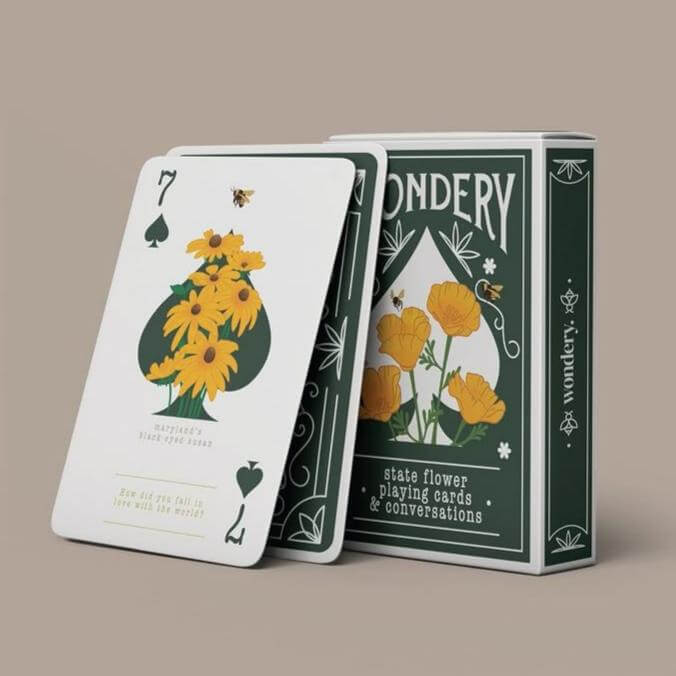
Get a Custom Playing Card Quote from WellCards
Durability and Feel
Material choice determines both durability and tactile quality. Traditional paper offers a soft touch but wears faster under heavy use, while plastic provides superior resistance to moisture and abrasion, making it ideal for frequent or outdoor play. Linen-finished cards give a textured surface that resists wear yet stays lightweight, delivering a premium hand-feel valued by serious players and collectors.
Thickness Considerations
Cardstock thickness affects flexibility and sturdiness. Measured in points (pt), standard playing cards commonly range from 10pt to 14pt.
- Casual Play: Thinner cards, around 10pt, are more flexible and easier to shuffle, making them perfect for casual or family games.
- Professional Use: For competitive play, a thickness of 12pt or more is recommended to ensure endurance against frequent handling.
- Specialty Cards: Custom cards may require unique thicknesses or finishes tailored to specific gameplay, enhancing the overall experience.
Selecting the correct thickness balances shuffleability and durability, improving handling and overall gameplay fluidity.
Finishes and Coatings
Finishes and coatings provide both visual refinement and protective performance. The chosen finish alters a card’s appearance and how it performs in use.
- Gloss Finish: A shiny coating that enhances color vibrancy, perfect for eye-catching custom designs.
- Matte Finish: A non-reflective surface that is easy to handle and reduces glare.
- Linen Finish: A textured finish that gives cards a classic look and improves grip, making them less likely to slip during play.
An appropriate finish can extend service life; certain coatings improve resistance to scratches, stains and routine handling.
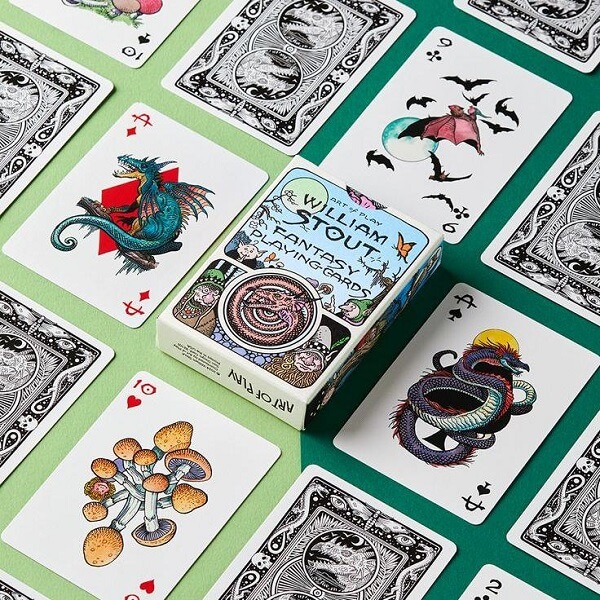
Get a Custom Playing Card Quote from WellCards
Eco-Friendly Options
Sustainability is an increasingly important consideration in card production. Eco-friendly choices include recycled cardstock and FSC-certified materials that support responsible sourcing.
Using recycled materials reduces waste and matches the expectations of environmentally aware customers. Sustainable options also strengthen market reputation.
WellCards provides a selection of eco-friendly cardstock options that meet quality standards while supporting sustainable production practices.
Enhancing Longevity
Appropriate care and maintenance significantly extend the usable life of custom playing cards. Key practices include:
- Proper Storage: Keep cards in a dry, cool place to prevent warping and damage.
- Regular Cleaning: Use a soft cloth to wipe down cards, preventing dirt accumulation.
- Gentle Handling: Encourage players to handle cards with care to avoid bending or ripping.
Following these practices preserves deck condition and helps ensure consistent performance over time.
Printing Techniques
Printing method directly affects the finished product. Digital printing suits smaller runs and delivers rapid turnarounds, while offset printing is preferred for larger quantities, offering higher fidelity and consistent colour reproduction.
High-quality inks and correct drying processes are essential for vibrant, long-lasting colour. Consult printing professionals to select the most suitable method for your project requirements.
Understanding these techniques helps ensure the final product meets both aesthetic and functional expectations.
Should you have specific project requirements or need further assistance, please do not hesitate to contact us for personalised guidance.
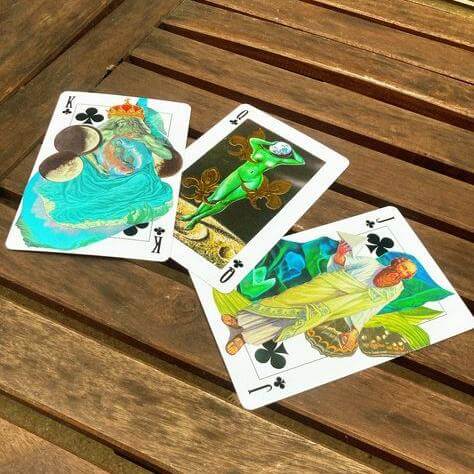
Get a Custom Playing Card Quote from WellCards
Frequently Asked Questions
What is the importance of cardstock thickness in playing cards?
Thickness determines flexibility, sturdiness and the overall feel of the cards. Standard playing card thickness typically falls between 10pt and 14pt. Cards around 10pt offer greater flexibility for casual play, while cards over 12pt provide enhanced durability for frequent or professional use.
Can I make custom playing cards with designs on both sides?
Yes. Many printers offer double-sided printing to allow full design flexibility on both faces of each card. Verify your printer’s specifications and any additional costs associated with double-sided production to ensure the desired outcome.
What factors should I consider when choosing a finish for my playing cards?
Consider aesthetics, handling comfort and durability when selecting a finish. Gloss increases colour vibrancy and sheen; matte reduces glare and is easier to handle; linen provides texture and improved grip. The right finish influences both appearance and resistance to wear.
Are there eco-friendly printing options for custom playing cards?
Yes. Recycled cardstocks and FSC-certified materials are available and support responsible sourcing practices. These options reduce environmental impact while delivering quality products and appealing to sustainability-minded customers.
How can proper maintenance enhance the life of my playing cards?
Proper maintenance extends card lifespan. Store decks in a cool, dry place to prevent warping. Clean cards gently with a soft cloth to remove dirt and oils. Encourage careful handling to avoid bends and tears that impair durability and play quality.
What are the main differences between digital and offset printing for playing cards?
Digital printing is ideal for short runs and offers quick turnaround and flexibility. Offset printing suits larger production volumes and delivers superior fidelity and consistent colour. Choose the method that aligns with your run size and quality requirements, and consult professionals as needed.
Conclusion
Selecting the appropriate cardstock directly improves durability, appearance and overall gameplay. By understanding types, thicknesses and finishes, you can make informed choices that elevate the playing experience. Explore our collection of premium cardstock options to meet your specifications and begin creating the ideal custom deck today.
 English
 Deutsch
 Français
 Polski
 Português do Brasil
 Español
 日本語
日本語 Русский
 العربية
 Italiano
 Nederlands
 Türkçe
 한국어
한국어