
Balancing creative intent with manufacturability is essential for successful custom card projects. Designers must produce visually compelling cards while ensuring designs are feasible, cost-effective and efficient to manufacture. Achieving this balance requires knowledge of printing processes, substrate behaviour and design rules to optimise aesthetic and production outcomes. This article examines printing methods, material selection, customisation options and quality control practices that preserve design integrity.
This guide helps business clients seeking custom playing cards manage design and production complexity while retaining creative potential. Readers will review material choices, production constraints and operational best practices to improve workflow and deliver market-ready card designs.
Printing Techniques
Choice of printing technique determines cost, visual quality and production flexibility. Offset printing suits large runs with consistent quality and unit-cost advantages; digital printing supports short runs, quick turnarounds and variable customisation. Screen printing is useful for heavy ink coverage and vivid colours. Each technique presents trade-offs in colour fidelity, turnaround and unit cost; understanding them helps teams match method to project objectives and manufacturability requirements.
WellCards accommodates both offset and digital workflows, enabling clients to align creative design with production constraints.
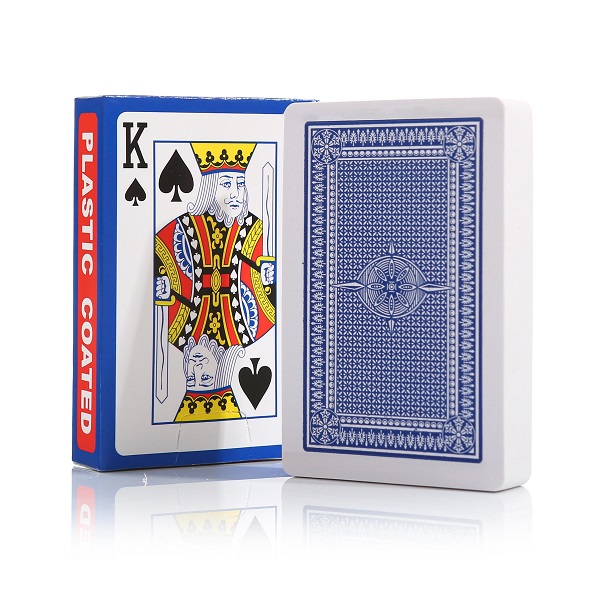
Get a Custom Playing Card Quote from WellCards
Design Elements
Design choices directly affect manufacturability. Aligning the card theme with the target audience supports market acceptance. High-quality artwork improves aesthetics and print fidelity. Legal and regulatory text must be incorporated without undermining visual hierarchy or functionality.
Design elements should be coordinated with the chosen printing method so graphics, colour ranges and text reproduce reliably while preserving the intended artistic effect.
Customization Options
Customisation enables differentiation and market value. Variable-data printing allows unique graphics or text per card, while custom artwork—illustrations or photographs—adds distinctiveness and brand relevance.
Material selection shapes tactile and visual results; different card stocks deliver varied handling and finish characteristics. WellCards offers custom material options to help clients realise their design objectives.
Finishing Options
Finishes such as matte, gloss or UV coating change both appearance and durability. These options protect the cards, enhance colour performance and provide different tactile impressions aligned with product positioning.
Understanding how each finish impacts visual outcome and manufacturability enables designers to make informed decisions that meet client requirements and production constraints. Rigorous attention ensures the final product meets standards.
Quality Control
Quality control is vital to ensure final products meet design specifications and production standards. A robust QA process detects deviations early and prevents costly rework.
Effective QC includes artwork verification, print-quality evaluations and final inspections of finished goods. Prompt resolution of quality issues preserves client confidence and protects brand reputation.
Packaging and Presentation
Packaging both protects the product and communicates brand value. Options range from simple tuck boxes to premium presentation cases, each designed to support positioning and consumer perception.
Designers should align packaging with the card theme to enhance market appeal and create a cohesive customer experience that supports the product.
Workflow Management
Efficient workflow management reduces errors and shortens lead times. Clear ordering procedures and verified specifications are fundamental to preventing issues across production stages.
Monitoring timelines and maintaining direct communication between designers and manufacturers helps reduce turnaround times and improve quality. Error-prevention practices foster a more reliable production environment and better final outcomes.
What Are the Key Materials and Print Constraints in Custom Card Manufacturing?
Understanding common substrate types and their constraints is critical to successful production. Different card stocks have unique properties that influence durability, finish and print reproduction.
The table highlights trade-offs designers must weigh when selecting materials to keep designs both creative and producible.
Which Playable Card Materials Best Support Creative and Durable Designs?
Choosing appropriate materials improves creative expression and longevity. Common choices include plastic for durability, linen finish for a premium tactile feel, and standard paper for economical applications.
- Plastic: Highly durable and water-resistant, ideal for long-lasting cards.
- Linen Finish: Offers tactile and aesthetic appeal, often used for premium card sets.
- Standard Paper: An economical choice suitable for casual use, though less durable.
Each material supports different levels of customisation and durability; select based on intended use, desired finish and production constraints.
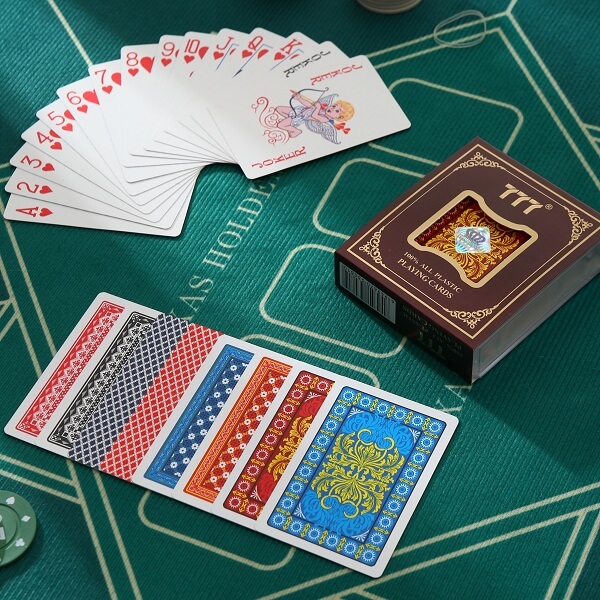
Get a Custom Playing Card Quote from WellCards
How Do Printing Techniques Influence Manufacturability and Design Options?
Printing techniques affect production cost and design flexibility. Offset printing delivers consistent high quality for bulk production, while digital printing supports short runs and bespoke designs.
Choosing the appropriate method sets expectations for colour fidelity, detail reproduction and per-unit cost, enabling better alignment between creative intent and manufacturable outcomes.
How Can Designers Effectively Align Creative Concepts with Manufacturing Capabilities?
Effective alignment begins with clear, early communication between designers and production teams. Defining project scope, timelines and outcomes up front enables realistic planning and resource allocation.
Design flexibility is important; accommodating material, budget and time constraints allows concepts to be realised without sacrificing core creative objectives. Understanding production limits leads to more achievable and successful designs.
What Are Best Practices for Print-Ready Card Design Guidelines?
Print-ready design depends on adherence to established guidelines. Best practices include early collaboration with production teams, correct artwork specifications and informed material selection.
- Consultation with Production Teams: Early collaboration ensures all specifications are met.
- Proper Artwork Specifications: Adhering to the correct dimensions and resolutions.
- Material Considerations: Selecting appropriate materials that align with design intents.
Following these practices produces cards that are visually compelling and feasible to manufacture.
How Does WellCards Ensure Feasibility While Preserving Design Integrity?
WellCards employs a structured design review process that evaluates concepts against production capabilities at project outset. This assessment guides choices that maintain design intent while ensuring manufacturability.
The company maintains client collaboration through staged proofing and material selection, providing feedback to safeguard quality without compromising the artistic vision.
Which Strategies Drive Cost-Effective and Reliable Custom Card Production?
Cost-effective production relies on strategic decisions across the project lifecycle. Key approaches include selecting the correct printing method, implementing stringent quality control and confirming designs before production.
- Selecting the Right Printing Method: Understanding the costs associated with different techniques.
- Implementing Quality Control Measures: Preventing errors through careful monitoring.
- Confirming Designs Before Production: Ensuring all specifications align to avoid costly modifications.
These measures streamline operations and help ensure clients receive consistent, high-quality products at competitive cost.
What Role Does Streamlined Ordering and Quote Process Play in Manufacturability?
A clear and efficient ordering process improves manufacturability by facilitating precise communication between client and manufacturer.
Understanding bulk pricing and presenting clearly defined specifications enable informed decision-making, streamline production workflows and reduce the risk of errors.
Where Can Clients Find Practical Resources and Support for Balancing Creativity and Manufacturability?
Clients can access practical resources such as industry articles and production guides that explain design and manufacturing best practices for custom cards.
Books and structured online courses can deepen technical knowledge, while industry forums and trade events offer practical insights and networking opportunities for practitioners.
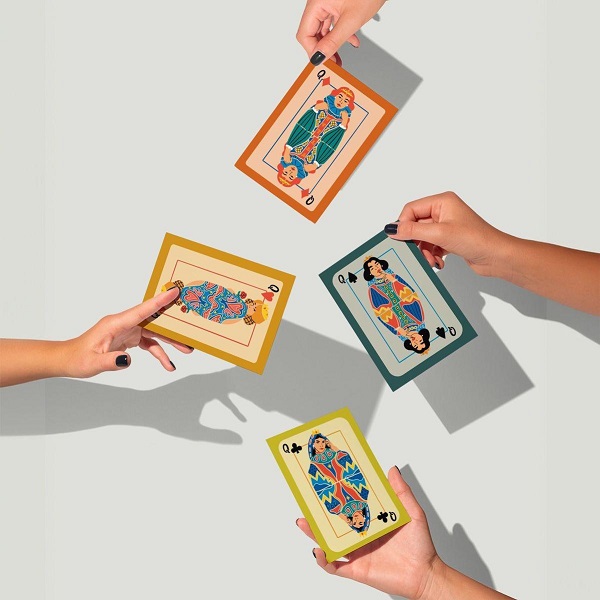
Get a Custom Playing Card Quote from WellCards
How to Request a Quote and Collaborate Effectively with WellCards?
To engage WellCards successfully, prepare detailed project specifications, quantities and design intentions when requesting a quote. Clear files that meet production guidelines reduce delays and rework.
- Prepare Required Details for Quotes: Clearly define project specifications, quantities, and design intentions.
- Best Practices for Submitting Designs: Ensure all files meet production guidelines to avoid delays.
- Recommended Tools for Collaboration: Utilize digital tools that facilitate real-time communication and feedback during the design process.
Following these steps supports a collaborative relationship and improves the likelihood of successful production. You can easily request a quote and collaborate effectively with WellCards by following these steps.
Design Tips for Custom Playing Cards | FAQs
What are the most common pitfalls in custom card design?
Frequent pitfalls include misaligning the design with the target audience, ignoring production constraints and underestimating quality-control requirements. Early collaboration with printing partners and a full review of available materials and finishes mitigate these risks.
How do design elements affect the cost of custom cards?
Design complexity, colour count and special finishes drive manufacturing cost. Intricate artwork and multiple special effects increase production time and expense. To control costs, limit colour palettes and complex effects while retaining visual impact.
Can you provide tips for optimizing card design for print?
Provide high-resolution files (300 DPI), use CMYK for print-ready colour, include appropriate bleed, choose legible fonts and ensure sufficient contrast. Coordinate with your printing partner to align creative intent with technical specifications.
What finishing options are most popular for custom playing cards?
Popular finishes include matte for an understated, soft touch; gloss for vibrant colour and surface protection; and UV coating for enhanced durability and moisture resistance. Select the finish that best suits the card’s purpose and desired appearance.
How can a designer ensure compliance with regulations in card design?
Designers should review applicable industry standards, copyright laws and labelling requirements. Working with an experienced printer provides practical guidance on regulatory obligations and helps avoid compliance issues through early review and consultation.
What resources are available for learning more about card design and production?
Resources include online courses and platforms, industry publications and blogs, professional forums and trade shows. These sources offer practical guidance, case studies and networking opportunities for continued learning.
Conclusion
Balancing creativity and manufacturability produces market-ready cards that meet aesthetic and production requirements. A firm grasp of printing techniques, material selection and quality control converts design intent into reliable, producible products. For expert guidance and premium printing solutions, contact WellCards to advance your custom card projects with informed support and proven processes.
 English
 Deutsch
 Français
 Polski
 Português do Brasil
 Español
 日本語
日本語 Русский
 العربية
 Italiano
 Nederlands
 Türkçe
 한국어
한국어