
Selecting the right finishes for custom playing cards ensures durability, consistent visual quality and strong brand presentation. This guide reviews materials, textures, printing methods and cost factors and compares gloss, matte and UV coatings to explain how each playing cards finish affects usability and longevity.
Material Types
Material choice defines durability, feel and handling. Common options include:
- Plastic Cards: Highly durable and water-resistant, suited to heavy use.
- Paper Cards: Traditional feel with flexible thickness and finish choices.
- Linen Cards: Textured, premium feel that improves grip.
Choose materials based on expected use and life span.
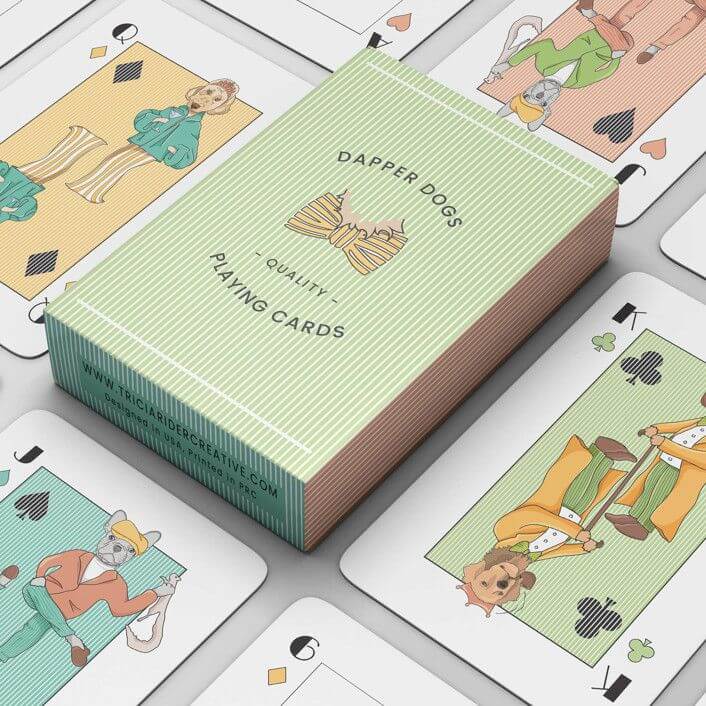
Get a Custom Playing Card Quote from WellCards
Texture Options
Texture impacts appearance and handling; pick what suits the audience and brand:
- Gloss Finish: Boosts color saturation and shine.
- Matte Finish: Reduces glare and improves grip.
- Linen Finish: Adds texture and a premium look.
Matching texture to use improves user experience.
Printing Techniques
Select a printing method that balances run size, cost and visual needs:
- Digital Printing: Fast, cost-effective for small runs and customization.
- Offset Printing: Economical and consistent for larger volumes.
- Silkscreen Printing: Best for special effects and vibrant inks on limited runs.
Each approach has trade-offs in setup, unit cost and turnaround.
Cost Considerations
Budget depends on material, finish, run size and logistics.
Primary cost drivers:
- Material Choice: Plastic usually costs more than paper; specialty substrates raise costs.
- Finish Impact: Coatings and lamination add expense and may affect shipping.
- Bulk Discounts: Larger orders lower per-unit cost.
The table shows typical unit pricing variations to aid commercial decisions.
What Are the Key Types of Card Finish and Coating Options Available?
Common finishes protect and define appearance:
- Gloss Finish: High sheen and vivid colors.
- Matte Finish: Low glare, refined look and improved handling.
- Linen Finish: Textured surface for grip and luxury feel.
- UV Coating: Durable, abrasion- and moisture-resistant surface layer.
- Lamination: Strong surface protection for heavy use.
Understand these to match visual goals with required durability.
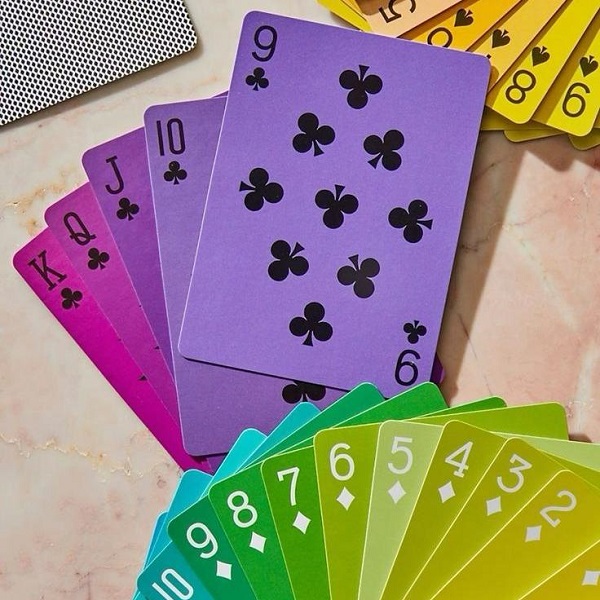
Get a Custom Playing Card Quote from WellCards
Gloss Finish
Increases color vibrancy and offers moisture resistance, though it shows fingerprints more readily.
Matte Finish
Reduces glare and improves handling while masking some wear.
Linen Finish
Adds tactile grip and a premium aesthetic favored for collector decks.
UV Coating
Creates a hard, protective surface that resists abrasion and moisture.
Lamination
Provides robust protection against scratches, spills and heavy handling.
How Do Matte, Glossy, Linen, and Soft Touch Finishes Differ in Appearance and Texture?
Appearance and feel influence both perception and usability:
- Glossy Finishes: Bright, reflective and color-forward; can glare.
- Matte Finishes: Subdued, non-reflective and better for grip.
- Linen Finishes: Textured and elegant, adding tactile interest.
- Soft Touch Finishes: Velvety surface with a luxury feel and fewer fingerprints.
Choose finishes that align with lighting conditions and handling expectations.
What Are the Benefits of UV and Protective Coatings for Custom Cards?
Protective coatings extend life and preserve appearance:
- Increased Longevity: Resist wear and environmental damage.
- Enhanced Aesthetics: Maintain color integrity and reduce fading.
- Easy Handling: Repel dirt, making maintenance simpler.
Coatings are advisable when durability and a long shelf life matter.
How Does Card Finishing Impact Playing Card Durability and Usability?
Finishing directly affects lifespan and feel:
- Durability: Lamination and UV coatings protect against abrasion and moisture.
- Usability: Matte and textured finishes improve grip and handling.
Select finishes to balance longevity with the desired tactile experience.
Which Finishes Offer Superior Resistance to Wear, Moisture, and Handling?
For demanding conditions, prioritize protective finishes:
- Lamination: Best overall protection from physical wear.
- UV Coating: Good moisture and abrasion resistance.
- Gloss Finishes: Provide some sealing and moisture resistance but vary by application.
Combine finishes where appropriate to meet specific use cases.
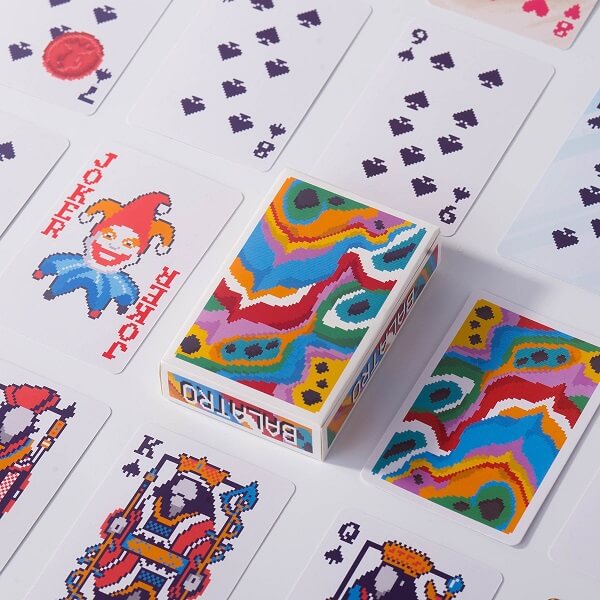
Get a Custom Playing Card Quote from WellCards
What Testing Methods Validate the Longevity of Custom Card Finishes?
Standard tests confirm performance under real conditions:
- Abrasion Testing: Simulates handling wear.
- Moisture Exposure Tests: Measures humidity and spill effects.
- Print Durability Tests: Assesses fading and sun damage resistance.
Use test results to verify manufacturer claims and choose reliable finishes.
How to Choose the Best Finish for Your Custom Playing Cards to Maximize Brand Success?
Match finish choices to brand, use and user preference:
- Align with Brand Identity: Pick finishes that reflect your brand’s tone.
- Consider Intended Use: Durable finishes for frequent play; softer finishes for display decks.
- Evaluate User Preferences: Prototype and gather feedback on texture and feel.
A deliberate selection process helps maximize perceived value and brand impact.
What Role Do Aesthetic Goals and Tactile Preferences Play in Selecting Card Finishes?
Aesthetic and tactile choices shape engagement:
- Visual Appeal: Gloss for vibrancy; matte for a refined look.
- Tactile Experience: Textures increase player connection and handling comfort.
- Brand Alignment: Ensure finishes support messaging and market positioning.
Balance look and feel to target your audience effectively.
How Do Production Capabilities and Certifications Influence Finishing Choices?
Manufacturing capability and certifications constrain and enable finish options:
- Technology Influence: Available presses and coatings determine achievable effects.
- Sustainability Certifications: Eco-friendly finishes can support brand values.
- Quality Assurance: Established processes ensure consistent results.
Confirm supplier capabilities and certifications before finalizing specifications.
What Is the Process for Custom Card Printing and Applying Finishing Options at WellCards?
WellCards follows a clear workflow to align finishes with client goals:
- Initial Consultation: Discuss design, usage and finish priorities.
- Design and Approval: Create proofs and finalize choices prior to production.
- Production Phase: Print and apply the selected finishes under quality control.
This structured approach ensures decks meet specifications and quality expectations.
How Can Clients Request Quotes and Collaborate on Custom Finishes?
Clients collaborate with WellCards through a simple process:
- Quote Request: Submit a brief with quantities, materials and finish preferences.
- Design Collaboration: Work with our team on proofs and samples.
- Final Adjustments: Approve final files before production starts.
Our team is available to contact WellCards for tailored quotes or finish consultations.
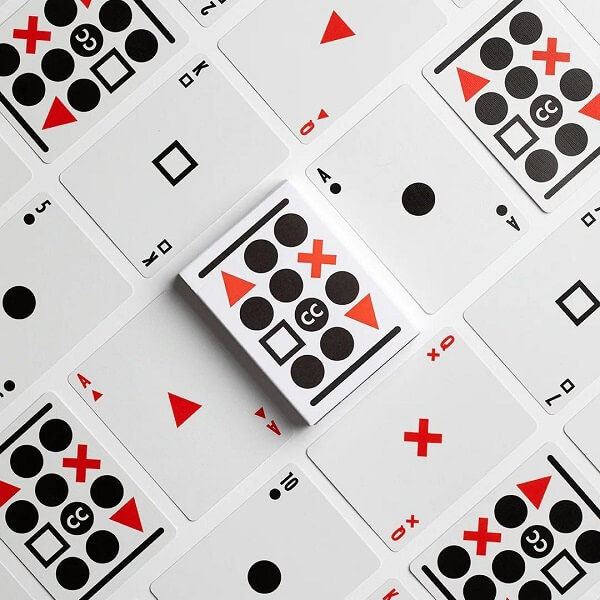
Get a Custom Playing Card Quote from WellCards
Finishing Options for Custom Playing Cards | FAQs
What Factors Should I Consider When Choosing Playing Card Finishes for a Marketing Campaign?
Consider audience, tactile impression and expected handling: gloss for attention, matte for refinement and durable coatings for campaigns involving heavy use.
Can I Customize the Thickness of Playing Cards Along with the Finish?
Yes. Specify thickness with your supplier to ensure compatibility with chosen finishes and handling goals.
How Do Different Finishing Techniques Impact the Printing Quality?
Finishes affect appearance and longevity—gloss intensifies color, matte mutes shine and UV protects prints—so choose finishes that complement the printing method.
Are There Eco-Friendly Options for Finishing Custom Playing Cards?
Yes. Biodegradable laminates and non-toxic inks are available; request certification details to confirm sustainability claims.
What Are the Common Mistakes to Avoid When Selecting Finishing Options?
Avoid prioritizing looks over durability, skipping sample approvals, or ignoring end use—request prototypes to prevent costly revisions.
Can I Change Finishing Options After Production Has Started?
Changes during production are difficult and may incur delays and extra costs; finalize choices during approval to avoid disruptions.
What Maintenance Tips Can Help Extend the Life of Finished Playing Cards?
Store cards cool and dry, avoid direct sunlight, clean with a soft dry cloth, and use sleeves for collectible or high-use decks.
Conclusion
Selecting the right finish improves durability, appearance and brand perception. By aligning materials, textures and production methods with intended use and audience, you ensure cards perform well and reflect your brand. Contact us to explore finishing options and request samples.
 English
 Deutsch
 Français
 Polski
 Português do Brasil
 Español
 日本語
日本語 Русский
 العربية
 Italiano
 Nederlands
 Türkçe
 한국어
한국어