
Standard playing cards are useful tools for skill development as well as recreation. Regular play strengthens memory, concentration, and analytical thinking. This article explains how standard playing cards support cognitive development and educational outcomes and outlines practical classroom and home applications. Educators and parents seeking interactive, evidence-informed methods will find card activities a low-cost option. We cover the skills supported by cards, the benefits of customization, and games suited for cognitive growth.
What Learning Skills Do Standard Playing Cards Improve?
Standard playing cards support memory, sustained attention, and critical reasoning. Game play requires remembering rules, tracking scores, and planning tactics, engaging core cognitive processes and promoting motivated participation that aids retention and transfer.
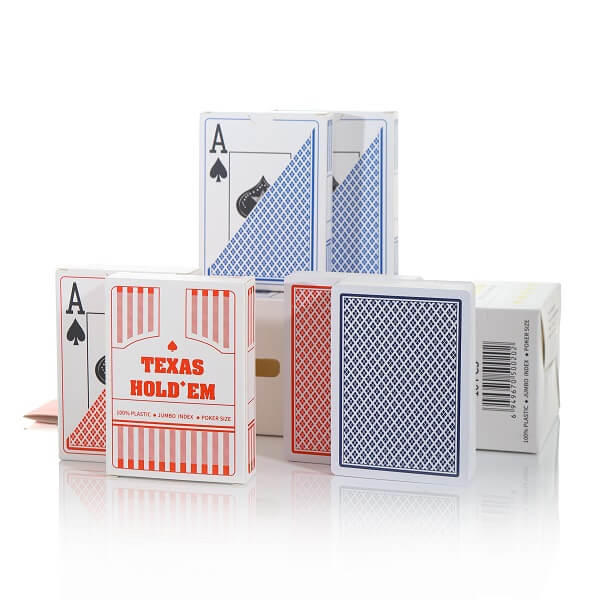
Get a Custom Standard Playing Cards Quote from WellCards
Research supports that cognitive games can enhance these fundamental learning abilities.
Cognitive Games for Enhanced Learning Skills
Developing cognitive skills is important for obtaining the ability to learn new information that represents an important for successful learning. We developed a set of cognitive games through we can train and strengthen fundamental cognitive abilities: attention, memory, reaction speed, logical problem-solving and memory retention. These will help children to improve their learning skills.
Cognitive Games for Improving Learning Skills, I Mocanu, 2021
How Do Playing Cards Boost Memory and Concentration?
Structured card challenges and repetition boost short-term and working memory. Matching and sequence-recall games, like Concentration, train sustained focus and reduce distractibility, supporting study, comprehension, and test performance.
In What Ways Do Card Games Enhance Critical Thinking and Problem Solving?
Card games build critical thinking by forcing strategic choices under constraints. Games such as Poker and Bridge teach risk assessment, opponent inference, and adaptive strategy, improving analytical reasoning and decision making. As a result, learners gain confidence in tackling complex problems and applying structured approaches to reasoning.
Indeed, the intentional design of card games can be a powerful method for cultivating critical thinking skills in students.
Card Games for Developing Student Critical Thinking
Increasing student’s critical thinking is the focus of many current education discussions. Experts in reading agree that the keys to building critical thinking include: engagement, novelty, cooperative learning, and discussion. Wiggins and McTighe (2005) insist that deep learning and critical thinking can be developed by using questions based on six facets of understanding: explain, interpret, apply, see from various points of view, empathize with various participants, and thinking metacognitively about each subject or element of study. This article describes how these ideas were turned into a card game to not only motivate students to participate but to engage students in critical thinking.
When Every Hand Is a Winner: Developing Critical Thinking with a Card Game., 2013
How Can Custom Standard Playing Cards Support Educational Goals?
Custom standard playing cards embed curriculum-aligned content into gameplay to reinforce lesson goals through active practice. Durable materials and clear design improve engagement and comprehension in classroom use.
What Are the Benefits of Customization for Learning and Engagement?
Customization increases relevance and retention. Subject-focused cards and clear visuals lower cognitive load, boost motivation, and encourage ownership of learning and sustained participation.
How Does WellCards Ensure Quality and Compliance in Educational Card Printing?
WellCards follows documented quality-control procedures and industry standards, selecting durable materials for classroom longevity. Relevant certifications support product safety and give educators confidence in procurement decisions.
Which Card Games Are Most Effective for Cognitive Development?
Many card games target distinct skills—memory, attention, reasoning, and planning. Educators can integrate these titles into lesson plans or assign supervised home practice to reinforce learning outcomes.
What Types of Card Games Target Memory and Attention Skills?
Memory games include matching and recall tasks; Uno reinforces attention to colour and number. Teachers commonly report improved attention span and memory retention after regular use.
How Do Card Games Foster Critical Thinking and Problem-Solving Abilities?
Rummy and Poker develop problem solving through inference, planning, and adapting strategy under uncertainty. Regular engagement with these formats correlates with gains in analytical reasoning and applied problem solving.
Where Can Businesses and Educators Obtain Custom Playing Cards for Learning?
Businesses and educators can source custom playing cards from specialised educational suppliers that offer design, content alignment, and production services tailored to instruction.
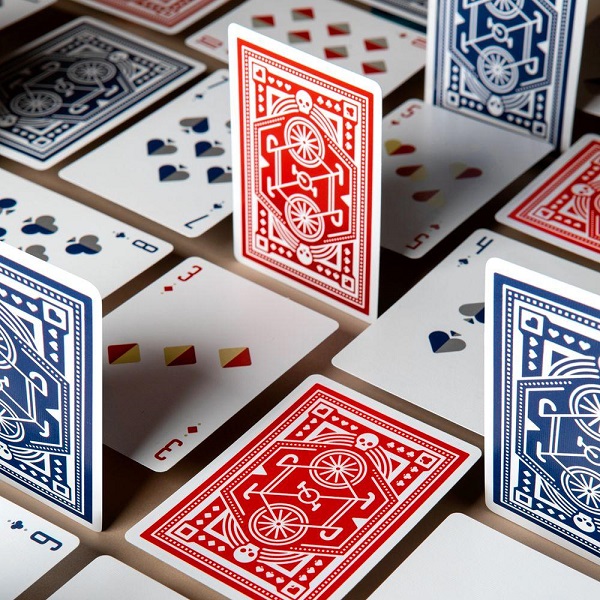
Get a Custom Standard Playing Cards Quote from WellCards
How to Request a Quote for Custom Educational Card Printing?
Requesting a quote for custom educational card printing is straightforward. Interested parties should follow these steps:
- Identify Requirements: Determine the type of cards needed, including design and content specifications.
- Contact Suppliers: Reach out to suppliers like WellCards to inquire about customization options and pricing.
- Provide Details: Give quantity, design elements, and any educational content to include.
These steps help secure tailored playing-card solutions that meet instructional goals.
What Case Studies Demonstrate the Impact of Cards in Learning Environments?
Several case studies report positive outcomes from classroom card activities. One primary-school study found improved memory retention and problem solving compared with peers who did not use cards, and educators highlighted increased collaboration and engagement.
How Standard Playing Cards Enhance Learning Skills | FAQs
Can playing cards be used for all age groups in educational settings?
Yes. Cards adapt across age ranges: simple games like Memory or Go Fish support early attention and recall, while Poker or Rummy engage older learners in strategy. Educators can scale rules and objectives to match ability.
What are some specific examples of card games that improve math skills?
Certain card games reinforce arithmetic and probability. Uno supports quick recognition and basic counting; Blackjack and similar games introduce probability and risk assessment, helping learners apply math concepts in context.
How can educators assess the effectiveness of card games in learning?
Assessments can combine observation during gameplay with pre- and post-intervention tests. Structured observation, short skill checks, and learner feedback provide practical measures of engagement and skill gains.
Are there any online resources for learning card games that enhance cognitive skills?
Yes. Many websites and platforms offer tutorials, videos, and printable materials. Digital versions of popular card games provide extra practice and support implementation in classroom and home settings.
What role do social interactions play in learning through card games?
Social interaction is central: gameplay fosters communication, teamwork, negotiation, perspective-taking, and emotional regulation. These social processes augment cognitive gains and support a constructive classroom culture.
How can parents incorporate card games into home learning activities?
Parents can choose games that match learning goals—counting and matching for young children, strategy games for older students. Regular family game sessions create routine practice and support positive attitudes toward learning.
Conclusion
Standard playing cards are practical tools for developing memory, concentration, and critical thinking. When used in instruction, they create engaging experiences that support measurable skill gains. Customization increases relevance and classroom applicability; consider custom playing-card options to enhance your educational programmes.
 English
 Deutsch
 Français
 Polski
 Português do Brasil
 Español
 日本語
日本語 Русский
 العربية
 Italiano
 Nederlands
 Türkçe
 한국어
한국어