
Laminating custom playing cards is essential for enhancing their durability and visual appeal. This process involves applying a protective layer that not only safeguards the cards from wear and tear but also elevates their aesthetic quality. In this guide, you will learn about various lamination techniques, the best finishes for custom cards, and how to effectively protect your printed cards. Many card enthusiasts and businesses face challenges in maintaining the quality of their cards during gameplay or storage. By understanding the right lamination methods, you can ensure your custom playing cards remain in pristine condition. This article will cover key lamination techniques, the best finishes available, protective benefits, and the custom card finishing options along with the ordering process.
What Are the Key Lamination Techniques for Custom Playing Cards?
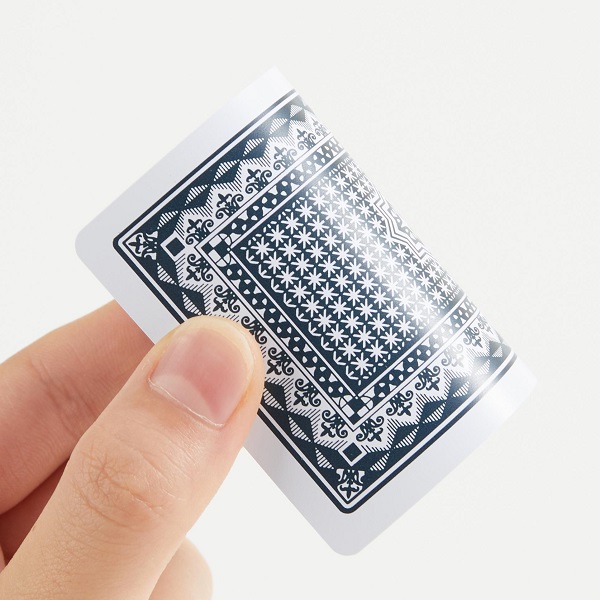
Lamination techniques are crucial for enhancing the longevity and quality of custom playing cards. These methods involve applying a thin layer of plastic film to the card surface, which protects against moisture, dirt, and physical damage. The primary benefit of lamination is that it significantly increases card durability, making them suitable for frequent handling and gameplay. Understanding the various lamination techniques can help you choose the best option for your custom cards.
Get a Custom Playing Cards Quote from WellCards
Which Lamination Types Improve Card Durability the Most?
Several lamination types are known for their effectiveness in improving card durability. The most common types include:
- Glossy Lamination: This type provides a shiny finish that enhances colors and graphics, making them more vibrant. It is ideal for cards that require a high visual impact.
- Matte Lamination: Offering a non-reflective surface, matte lamination reduces glare and fingerprints, making it suitable for cards that are frequently handled.
- Soft-Touch Lamination: This type provides a velvety, tactile feel that adds a luxurious touch while maintaining durability.
Each lamination type has its unique advantages, and the choice depends on the intended use of the cards.
How Do Different Lamination Thicknesses Affect Card Quality?
Lamination thickness plays a significant role in the overall quality of custom playing cards. Thicker lamination films provide greater protection against wear and tear, while thinner films may offer a more flexible feel. Common thickness options include:
- 3 mil: Provides basic protection and is suitable for cards that are not heavily used.
- 5 mil: Offers a balance between durability and flexibility, making it ideal for standard playing cards.
- 10 mil: Provides maximum protection, making it suitable for cards that will undergo extensive handling.
Choosing the right thickness is essential for ensuring that your cards maintain their quality over time.
What Are the Best Lamination Finishes for Custom Cards?
The finish of laminated cards can greatly influence their appearance and tactile experience. Different finishes offer various benefits, and understanding these can help you make an informed decision for your custom cards.
How Do Glossy, Matte, and Soft-Touch Finishes Compare?
When comparing finishes, it’s important to consider their characteristics and applications. The following table summarizes the differences:
This comparison highlights how each finish can enhance the visual and tactile qualities of custom playing cards.
What Are the Benefits of Eco-Friendly Lamination Materials?
Eco-friendly lamination materials are becoming increasingly popular due to their reduced environmental impact. These materials often use biodegradable or compostable films and adhesives, which help minimize waste. The benefits of using eco-friendly lamination include:
- Sustainability: Reduces the carbon footprint associated with traditional lamination processes.
- Consumer Appeal: Many customers prefer products that are environmentally friendly, enhancing brand reputation.
- Compliance: Meeting eco-friendly standards can open up new market opportunities.
Choosing eco-friendly options not only benefits the environment but can also attract a more conscious consumer base.
How Can You Protect Printed Cards Using Lamination?
Lamination serves as a protective barrier for printed cards, ensuring they withstand the rigors of use. This process is essential for maintaining the integrity and appearance of your cards over time.

Get a Custom Playing Cards Quote from WellCards
What Role Does Lamination Play in Enhancing Card Visual Appeal?
Lamination enhances the visual appeal of cards by providing a polished finish that can make colors pop and graphics stand out. This is particularly important for custom playing cards, where design plays a crucial role in attracting players. A well-laminated card not only looks better but also feels more substantial, contributing to a positive user experience.
Can Lamination Prevent Wear and Tear During Gameplay?
Yes, lamination significantly reduces wear and tear during gameplay. The protective layer helps prevent scratches, moisture damage, and dirt accumulation, ensuring that the cards remain in excellent condition even after extensive use. Players can enjoy their games without worrying about damaging their cards, making lamination a worthwhile investment.
What Are the Custom Card Finishing Options and Ordering Process?
When it comes to custom card finishing, there are several options available that can enhance the overall quality and appeal of your cards. Understanding these options and the ordering process is essential for achieving the best results.
How Does Bulk Production Affect Lamination Choices?
Bulk production can influence the choice of lamination techniques and materials. When producing large quantities of cards, it is often more cost-effective to select a standard lamination type that balances quality and price. Additionally, bulk orders may allow for more customization options, such as unique finishes or thicknesses tailored to specific needs.
What Should You Know About Card Lamination Machines and Technologies?
Modern card lamination machines utilize advanced technologies to ensure high-quality results. These machines can handle various lamination types and thicknesses, providing flexibility in production. Key considerations when selecting lamination technology include:
- Speed: Faster machines can increase production efficiency.
- Versatility: Machines that accommodate multiple lamination types can offer more options for customization.
- Quality Control: Advanced machines often include features for monitoring and maintaining quality throughout the lamination process.
Understanding these factors can help you choose the right equipment for your custom card production needs.
 English
 Deutsch
 Français
 Polski
 Português do Brasil
 Español
 日本語
日本語 Русский
 العربية
 Italiano
 Nederlands
 Türkçe
 한국어
한국어