
Creating playing cards from tape paper is a practical way to produce bespoke, high-quality cards. This guide summarises the materials, production steps, and finishing options needed to convert tape paper into finished custom cards for personal or commercial use.
What Are the Key Materials Used in Custom Playing Card Production?
Custom card production relies on a small set of materials that determine durability and print performance. Understanding these choices is essential for reliable results.
- Premium Paper Options : High-quality, coated paper and specialty card stock deliver good print fidelity and a pleasing feel.
- PVC or PET Plastic : Waterproof, tear-resistant plastics suit heavy-use or outdoor cards.
- Thick Coated Stock with Lamination : Thick, laminated stock increases longevity and gives a professional finish.
Material selection influences tactile feel and service life; choose based on expected handling and environment.
The table shows how material choices affect print fidelity, durability, and perceived value.
What Is Tape Paper and Why Is It Ideal for Playing Cards?
Tape paper combines paper with an adhesive backing to form a flexible substrate suitable for custom cards. It supports direct printing and straightforward post-processing.
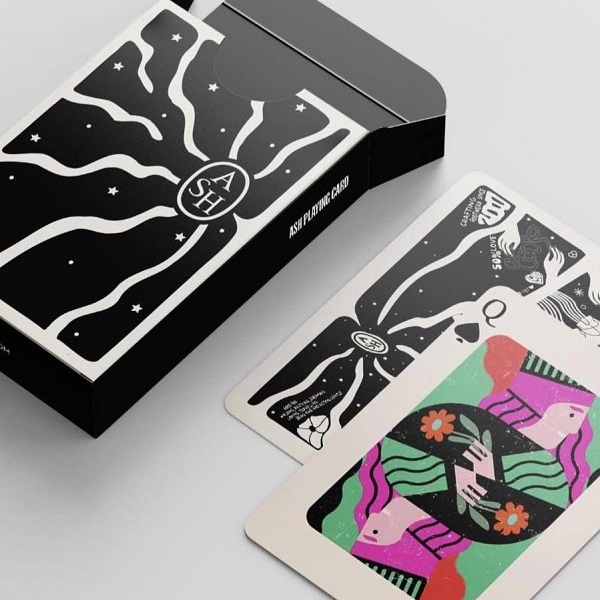
Get a Custom Standard Playing Cards Quote from WellCards
Tape paper can be die-cut to standard or custom formats. The adhesive secures printed designs and yields a smooth surface that accepts a range of inks for vivid colours and detailed graphics.
The benefits of using tape paper for custom cards include:
- Ease of Use : The adhesive backing simplifies application and handling.
- Customizability : Tape paper prints easily, allowing unique designs and personalisation.
- Durability : Laminated tape paper withstands regular handling while retaining appearance.
WellCards1990 specialises in converting tape paper and other stocks into finished, personalised playing cards for individuals and businesses.
How Do Different Card Stock Types Affect Card Quality?
Card stock selection strongly affects card behaviour and longevity. Differences in thickness, composition, and finish change handling and print reproduction.
- Thickness : Thicker stock gives a more substantial feel and resists wear, suited to frequent shuffling.
- Material Types : Paper versus plastic affects weight and flexibility, changing performance in play.
- Finishing Options : Gloss or matte finishes modify appearance and handling characteristics.
Compare thickness, material, and finish against your use case to pick suitable stock.
What Is the Step-by-Step Process for Custom Card Printing?
Producing custom playing cards follows a straightforward workflow to ensure consistent quality: consultation, artwork preparation, printing, and finishing.
- Consultation and Project Scoping : Discuss requirements, design goals, and intended use.
- Artwork Setup : Prepare print-ready artwork with correct size, resolution, and bleed.
- Printing and Finishing : Print using the chosen method, then apply finishing like lamination or foil.
A clear process at each stage reduces errors and helps the final product meet expectations.
How Is Tape Paper Transformed into High-Quality Playing Cards?
Converting tape paper into playing cards requires coordinated steps to preserve artwork and build physical robustness into the final product.
- Consultation Process : Engage clients to define design, quantities, and handling expectations.
- Artwork Setup : Finalise artwork and optimise files for printing on tape paper.
- Quality Control Measures : Apply quality checks during production to maintain consistency.
Following these steps helps produce durable, visually consistent cards that satisfy client requirements.
Lamination is an established fabrication technique that imparts mechanical strength and improves durability for paper-based devices.
Craft-Cutting & Lamination for Paper Card Fabrication
This fabrication method describes producing devices by craft-cutting and lamination in a manner comparable to making an identification card. The method employs a digital craft cutter and roll laminator to produce laminated paper-based analytical devices (LPAD). Lamination with a plastic backing provides the mechanical strength for a paper device. The approach of using a craft cutter and laminator makes it possible to rapid-prototype LPAD with no more difficulty than producing a typical ID card, at very low cost.
Laminated paper-based analytical devices (LPAD): fabrication, characterization, and assays, ZH Fan, 2013
What Printing Methods Ensure Precision and Durability?
Printing technique selection affects colour accuracy, detail, and long-term performance. Each method has trade-offs in flexibility, cost, and scale.
- Digital Printing : Good for small runs and detailed, colourful artwork.
- Offset Printing : Efficient for large runs, delivering consistent results.
- Screen Printing : Used for specialty finishes and textured effects.
Choose the process that matches volume, colour needs, and finish expectations to meet durability and precision goals.
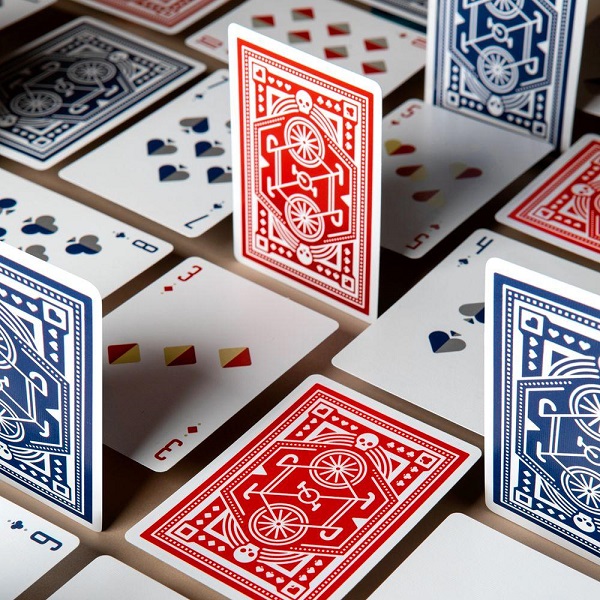
Get a Custom Standard Playing Cards Quote from WellCards
Which Finishing and Lamination Options Enhance Custom Playing Cards?
Finishing and lamination determine tactile experience and service life. The right choice protects artwork and improves handling.
- Matte and Gloss Finishes : Matte reduces glare; gloss intensifies colours and shine.
- Foil Stamping : Adds metallic accents for visual impact.
- Soft-Touch Lamination : Offers a velvety feel plus extra protection.
Proper finishing enhances appearance and extends card longevity for both commercial and personal uses.
What Are the Available Finishing Techniques for Custom Cards?
A variety of finishes meet aesthetic and functional goals, from smooth and matte to specialty treatments.
- Smooth Textures : Sleek, professional look for standard decks.
- Matte Textures : Subdued appearance that improves grip and reduces glare.
- Specialty Upgrades : Embossing or debossing adds depth and dimension to designs.
Selecting the right finish supports visual impact while meeting functional requirements.
How Do Finishing Choices Impact Card Longevity and Appearance?
Finishing selections affect perceived value, durability, and visual appeal. Choosing the right finish balances aesthetics and protection.
- Perceived Value : Premium finishes increase customer appeal.
- Durability : Lamination and coatings protect against wear.
- Visual Appeal : Appropriate treatments enhance colours and design clarity.
Evaluate finishes against expected handling to balance longevity and appearance.
How Does Bulk Ordering and Quality Control Support Client Success?
Bulk ordering with strict quality control delivers consistent products at scale, supporting predictable results for campaigns.
- Consistent Product Quality : Standardised processes help each card meet the same standards.
- Efficient Supply Chain Management : Streamlined workflows reduce lead times and manage inventory.
- Support for Long-Term Programs : Reliable supply supports ongoing promotions and projects.
Prioritising bulk production and quality control improves client satisfaction and long-term relationships.
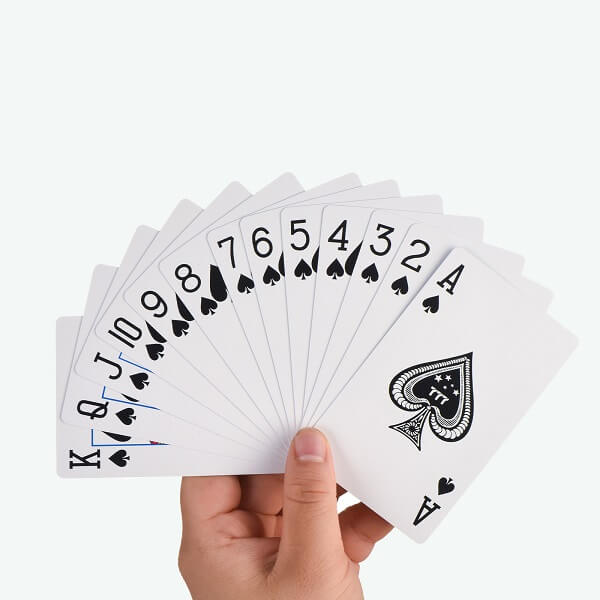
Get a Custom Standard Playing Cards Quote from WellCards
What Are the Typical Turnaround Times and Order Capacities?
Planning requires clarity on proofs, prototypes, and production capacity, which determine schedules and delivery.
- Digital Proofs : Digital proofs are typically provided within 24–48 hours after artwork submission.
- Prototypes : Prototypes can be produced for larger orders to confirm final results before full runs.
- Bulk Order Capacities : Manufacturers handle small batches to large-scale orders, depending on facility capacity.
Consider proof times and prototyping needs early to align production and delivery.
How Does WellCards1990 Ensure Consistent Quality and Compliance?
WellCards1990 applies systematic quality assurance throughout production to meet quality and regulatory standards, focusing on traceability and repeatability.
- Quality Control at Every Stage : Checks from design to final production catch issues early.
- Record Keeping for Repeat Orders : Order records streamline production of repeat projects.
- Certifications : Adherence to standards and certifications supports safety and quality.
These practices strengthen product consistency and client confidence.
For enquiries or to discuss specific requirements, you may contact us at WellCards1990.
How to Make Custom Playing Cards from Tape Paper | FAQs
What are the advantages of using custom playing cards for businesses?
Custom playing cards act as tangible branding tools: they carry logos, colours, and messaging, support promotions, and increase engagement at events. They also function as client gifts or team activities.
Can I create custom cards for special occasions like weddings or birthdays?
Yes. Custom cards can be tailored with photos, messages, and designs for weddings, birthdays, anniversaries, and other events, serving as keepsakes or giveaways.
What is the best way to store custom playing cards to ensure their longevity?
Store cards in a cool, dry place away from sunlight. Use protective cases to prevent bending and scratches. For heavy use, consider sleeves and periodic gentle cleaning.
Are there any eco-friendly options for custom card production?
Yes. Many suppliers offer recycled paper, alternative fibres, and low-impact inks and finishes. Ask about sourcing and production to confirm sustainability credentials.
How can I ensure my custom card designs are print-ready?
Follow printer guidelines: correct dimensions, 300 DPI or higher, CMYK colour mode, required bleed, and vector formats for logos and text where possible. Review artwork to avoid delays.
What are the common uses for custom playing cards beyond gaming?
Custom cards are versatile: marketing collateral, educational flashcards, artistic projects, team-building tools, and personalised gifts all benefit from customised decks.
Conclusion
Producing custom playing cards from tape paper enables meaningful personalisation while delivering durable, attractive results. Understanding materials, process steps, and finishing options is key to achieving high quality. Explore custom production to enhance your projects and engage your audience. Visit WellCards1990 to learn how we can support your designs.
 English
 Deutsch
 Français
 Polski
 Português do Brasil
 Español
 日本語
日本語 Русский
 العربية
 Italiano
 Nederlands
 Türkçe
 한국어
한국어