
Designing the back of a deck of playing cards requires a balance of aesthetics, functionality, and industry standards. The back is both an artistic surface and part of the player experience. This article summarizes key guidelines for dimensions, materials, printing, artwork requirements, customization, and ordering to help designers produce coherent, practical card backs.
What Are the Standard Dimensions and Size Requirements for Playing Card Backs?
Accurate dimensions ensure compatibility across games and accessories. The two common sizes are poker and bridge; poker measures 63 x 88 mm (2.5 x 3.5 in) and bridge is 57 x 88 mm. These dimensions inform die-cut tolerances, bleeds, and material choices to fit sleeves and shufflers.
Get a Custom Standard Playing Cards Quote from WellCards
Which Dimensions Define Industry-Standard Playing Card Backs?
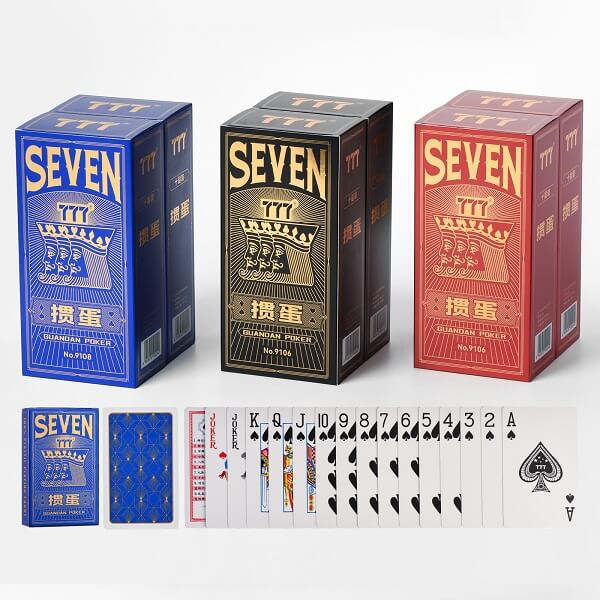
Industry-standard backs use established sizes and appropriate thickness to match handling and tooling requirements. The most common specifications include:
- Poker Size : 63 x 88 mm (2.5 x 3.5 inches), used for Texas Hold’em, Blackjack and similar games.
- Bridge Size : 57 x 88 mm, preferred for Bridge, Canasta and narrow-hand games.
- Thickness : Card stock commonly ranges from 280 to 330 gsm for a balance of stiffness and flexibility.
These measures affect layout, bleed, and opacity requirements for the chosen stock.
What Materials and Printing Techniques Are Recommended for High-Quality Card Backs?
Material and printing choices determine durability and appearance. Choose stocks and methods that match the intended use and run size.
Which Card Stock Types Ensure Durability and Premium Feel?
Common durable options include:
- Black Core Paper : Typically ~300 gsm; high opacity and durability.
- Blue Core Paper : Similar to black core with a blue inner layer for a premium feel.
- Cotton-Blend Cards : Around 350 gsm; offers a luxurious texture and longevity.
- Plastic Cards : 100% PVC or PET; waterproof and highly wear-resistant, suited to outdoor or heavy-use decks.
These stocks preserve look and feel under frequent handling.
What Printing Methods Optimize Color Accuracy and Finish?
Recommended methods:
- Offset Printing : Best for large runs with excellent color fidelity.
- High-End Digital Printing : Good for short runs and quick turnaround with customization.
- Finishing Options : Smooth, matte, gloss, or linen textures are common—choose by desired tactile effect and durability.
Select printing and finish to match quantity, budget, and the intended tactile result.
What Are the Best Practices and Artwork Requirements for Playing Card Back Designs?
Follow artwork specifications to ensure attractive, printable results: correct size, bleed, resolution, and color mode avoid costly rework.
Get a Custom Standard Playing Cards Quote from WellCards
Which Design Elements Are Essential for Compliance and Brand Identity?
Consider these essentials:
- Theme Alignment : Match the design to the game’s theme and target audience.
- Artwork Quality : Provide high-resolution artwork (300 DPI) for crisp printing.
- Branding Elements : Include logos and brand marks where appropriate for recognition.
- Legal Text : Add required copyright or legal notices to protect IP.
These elements ensure a cohesive design that supports brand identity and production needs.
What Restrictions Apply to Copyrighted and Security Features in Artwork?
Observe copyright law: use licensed or original artwork and secure permissions for third-party content. Consider basic security features—distinct patterns or subtle watermarks—to deter counterfeiting and protect your design.
How Can Customization Options Enhance Playing Card Back Designs While Meeting Standards?
Customization lets you tailor decks to audiences while staying within production limits. Personalised designs increase appeal without sacrificing manufacturability.
What Customization Features Are Available for Branding and Personalization?
Typical customization choices:
- Artwork Integration : Allow customers to submit logos or artwork for a personal touch.
- Material Choices : Offer stock and thickness options to match feel and budget.
- Finishing Options : Matte, gloss, or textured finishes change tactile experience and appearance.
These options balance creative control with manufacturing constraints.
How Does the Ordering Process Ensure Compliance with Design Standards?
A clear ordering workflow verifies specifications before production to prevent errors and ensure quality.
- Design Submission : Customers submit artwork; staff review size, bleed, resolution, and legal compliance.
- Proofing : A digital proof is issued for approval so the customer can confirm layout and colors.
- Production : Approved designs are printed using the selected stock, printing method, and finish.
This process maintains consistent quality and conformity to standards.
Get a Custom Standard Playing Cards Quote from WellCards
Standards for Designing the Back of a Deck of Playing Cards | FAQs
What are the common themes used in playing card back designs?
Designers often use classic motifs (floral, geometric), abstract art, cultural symbols, fantasy elements, or media-inspired themes. Choose themes that match the audience to strengthen emotional appeal and recognition.
How do I ensure my playing card design is print-ready?
Provide 300 DPI artwork at correct dimensions with bleed, use CMYK color mode, and submit PDF or TIFF files. Follow the printer’s specific file guidelines and proof before production.
What are the environmental considerations when designing playing cards?
Select recycled or sustainably sourced paper, eco-friendly inks, and minimal recyclable packaging. Choose manufacturers with sustainable practices to reduce environmental impact.
Can I use my own artwork for custom playing cards?
Yes—submit original, high-resolution artwork that meets size and bleed specifications. If it includes third-party material, secure licences or permissions before submission.
What are the benefits of using plastic cards over paper cards?
Plastic cards are waterproof, more durable under heavy use, and retain color longer. They tend to cost more, so weigh durability needs against budget.
How can I market my custom playing cards effectively?
Define a target audience, showcase designs on social media, partner with influencers or gaming communities, sell via a website or store, offer limited editions, and attend relevant events to reach customers directly.
Conclusion
Designing card backs combines creative design with adherence to standards. Use correct dimensions, suitable materials, and appropriate printing and finishing to achieve durable, attractive cards. Employ customization thoughtfully to reach audiences and reinforce brand identity. Review proofs and follow printer guidelines to ensure a smooth production run.
 English
 Deutsch
 Français
 Polski
 Português do Brasil
 Español
 日本語
日本語 Русский
 العربية
 Italiano
 Nederlands
 Türkçe
 한국어
한국어