
Poker size measures 2.5 by 3.5 inches. Bridge size measures 2.25 by 3.5 inches, narrower for players who fan multiple cards or hold extra hole cards. WellCards produces both dimensions in premium paper or PVC with a 1,000+ shuffle durability guarantee, custom foiling, and rounded corners for casino, poker, and bridge decks alike.
What Do You Need Before Choosing a Card Size?
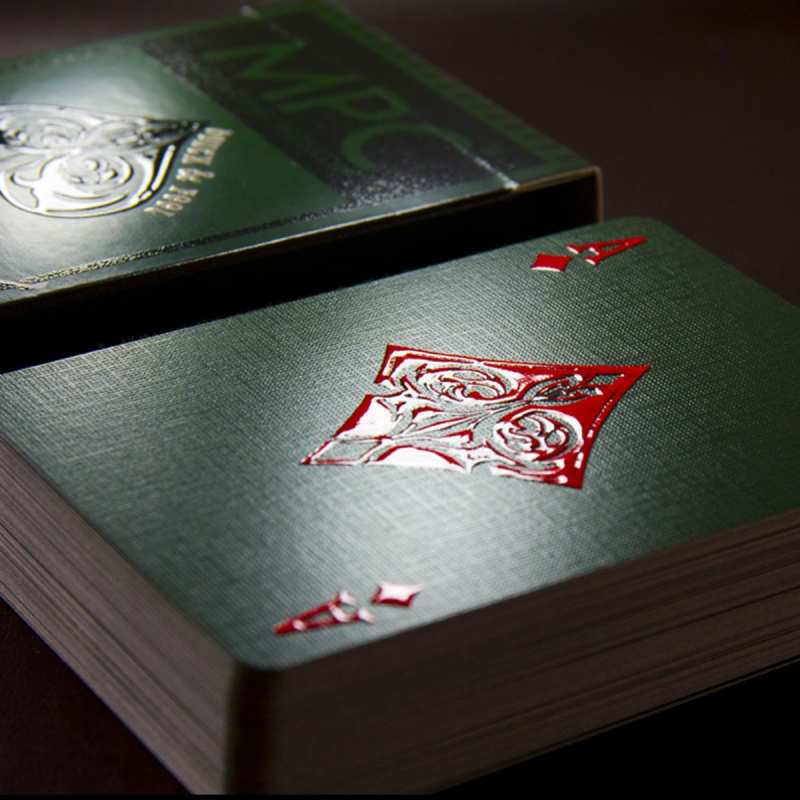
Three decisions come before any deck goes into production: dimensions, material, and design consultation. Skipping any of them costs creators money and time once a run is already printed. Selecting the correct size ranks as a critical step in making a deck fit its intended purpose, whether that purpose is tournament play, home games, or a branded promotion.
Get a Custom Playing Card Quote from WellCards
Dimensions come first. A custom playing card size must match how the cards get handled. Shuffled by hand at a kitchen table, riffled by a dealer, or dropped into a shoebox-sized retail package. WellCards offers custom sizing along with foiling. Embossing, letting creators lock in exact measurements before a single sheet gets printed.
Material comes next, and it changes everything about feel. Premium paper and PVC handle differently under repeated shuffling. The choice affects how a given size performs at the table over time.
Does size selection require a design consultation first?
Yes. Full OEM/ODM design support gives creators a starting point to finalize specifications before committing to a full production run. That consultation catches mismatches between size, material, and intended use early, before they become expensive mistakes.
Quick prerequisite checklist:
Confirm intended use (tournament, retail, home play)
Choose paper or PVC
Lock exact dimensions
Consult before finalizing the order
How Do Poker Size and Bridge Size Compare?
Bridge size cards measure 2.25 by 3.5 inches. Poker size cards run wider, closer to 2.5 by 3.5 inches, and that quarter-inch gap is the entire story. Guess wrong on width and the consequences show up fast: cards that slide awkwardly in a dealer’s hand, cases that no longer fit, and a shuffle that feels off to regulars who notice everything.
The difference sounds minor on paper. It isn’t, once cards hit a table for hours at a stretch.
Which size do professional poker rooms actually use?
Most professional poker rooms rely on bridge size decks, not poker size ones, for cash games and tournaments. The name misleads. Bridge size sounds like a format reserved for bridge clubs. The narrower card dominates serious poker rooms worldwide because it handles faster dealing. Tighter grips better than its wider cousin.
Choosing a custom playing card size for a new game line, a casino promotion, or an education product means starting with how the deck gets used, not which name sounds more “official.” A trainer running flash-card drills wants a different width than a casino floor running eight tables a night.
WellCards produces both formats to EU and US export certification standards. Buyers switching between bridge size prototypes and poker size production runs don’t sacrifice compliance either way. Factory-direct pricing allows for significant savings over standard retail markups, letting designers test both dimensions side by side without paying twice for the privilege of comparison. That matters most before a large order ships, not after.
How Do You Measure Other Custom Playing Card Sizes?
Measurement starts with width and length in millimeters, checked against the standard deck before any custom order goes to press. Standard poker size measures 63.5mm by 88.8mm, and every expanded format gets compared against that baseline. Skip this step and a specialty deck can end up too bulky for card boxes or too small for tournament visibility.
Double poker size offers the clearest example of scale. It measures 89mm by 127mm — nearly double the standard poker footprint. A jump that suits oversized display decks, teaching aids, or novelty games where extra print space matters. WellCards builds these expanded dimensions the same way it builds standard bridge size. Poker decks: with a custom playing card size process that starts from client specifications rather than a fixed template.

Get a Custom Playing Card Quote from WellCards
What Determines Which Size Fits a Custom Deck?
Purpose drives the decision more than tradition does. A tarot deck needs room for detailed art, a trump deck needs quick readability at a distance, and a promotional deck needs a size that fits standard packaging.
Material choice matters just as much as dimension. Paper and PVC options apply across every expanded format, not only the 52-card standard, giving designers flexibility whether they’re printing a compact travel deck or an oversized double poker set. Foiling and embossing get added on top of these custom sizes, letting brands differentiate specialty decks visually as well as dimensionally.
Durability standards do not shift with size. Whether the finished product lands at bridge dimensions, standard poker, or double poker scale, the deck carries a 1,000-plus shuffle guarantee. Consistency at that level matters most to casino operators. Game designers who need repeat orders to behave identically, run after run, regardless of the card size chosen.
How Do You Select the Right Size for Your Project?
Dimensions should follow function, not habit. A casino tournament table, a classroom flash card set, and a retail promotion each demand different handling, shuffle feel, and print scale. Skipping this analysis leads to reprints, wasted stock, and delayed launches.
Casino-grade custom playing cards get printed to precise specifications for gaming tables, promotional giveaways, and retail packaging. That precision starts with a clear use case, not a guess.
Identify the primary use case first — tournament play, at-home gaming, classroom instruction, or brand promotion.
Consult a design team offering free OEM/ODM support to match format to that use case before any print run begins.
Order physical samples. Seven-day sample turnaround lets creators handle the actual card stock before committing to volume.
Test shuffle feel, grip, and durability against real gameplay conditions.
Move to bulk production, typically completed in two to four weeks, once the sample passes evaluation.
Should shuffle-heavy card games use bridge size or poker size?
Bridge size and poker size decks handle differently once game mechanics get involved. Players who master multi-card hands often shift preference toward narrower formats after starting with wider ones, since additional hole cards reward a thinner profile. Testing a chosen format under actual gameplay, not assumption, settles the question.
How does someone finalize a custom playing card size before ordering in bulk?
A custom playing card size gets locked in only after physical testing, not spec sheets alone. Sample review catches shuffle resistance, edge wear, and grip issues before thousands of decks ship. Skipping that step risks discovering a sizing mismatch after production, when correcting it costs both time and budget.
What Mistakes Should You Avoid When Sizing Cards?
Four errors account for most sizing regrets among card creators. Skipping compliance checks tops the list. Every WellCards deck ships with full EU/US certification regardless of dimension chosen, so this mistake is avoidable, not inevitable.
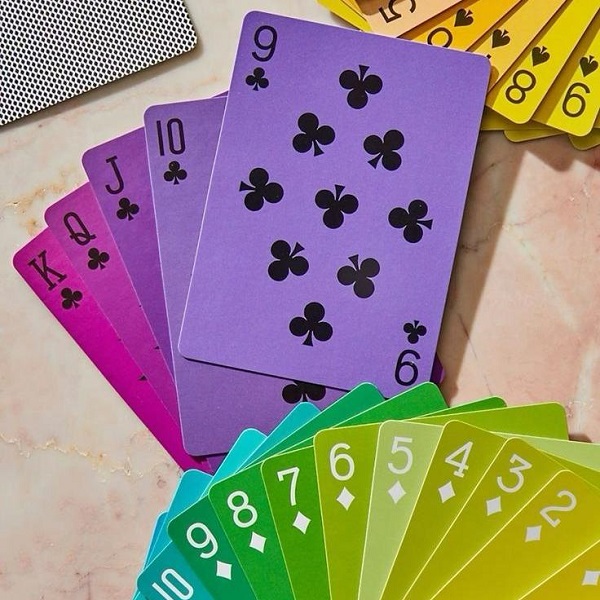
The second error involves defaulting to poker size for the wrong game. Designers building four-hole-card formats, such as Pot Limit Omaha, often reach for the wider standard out of habit. Bridge size, narrower by design, gives tighter pip visibility and makes card sweating easier during four-card play.
Get a Custom Playing Card Quote from WellCards
Is bridge size too small for casual players?
Some players describe the narrower width as cramped, even childlike, compared to poker size cards. That reaction usually fades with a few sessions. Designers should warn testers ahead of prototyping so first impressions don’t derail an otherwise sound format.
Do bridge and poker decks differ only in card count?
No. A persistent misconception treats the two as identical except for jokers included in the pack. The real distinction is physical: custom playing card size determines width, not the number of cards inside. Confusing count for dimension leads to mismatched print specs and wasted proofs.
Common sizing mistakes to flag before production:
Ordering poker width for four-card game formats
Assuming card count, not dimension, defines the size category
Skipping certification review for export markets
Ignoring tester feedback on grip and comfort
The distinction between poker size and bridge size playing cards ultimately reflects the fundamental principle that card dimensions directly influence handling comfort, game mechanics, and user experience. Selection between these formats depends on specific application requirements, player preferences, and intended use case. Both sizes maintain equal validity across gaming, educational, and promotional contexts, with the choice serving as a practical consideration rather than a qualitative judgment. Understanding these dimensional differences equips manufacturers, distributors, and end users to make informed decisions aligned with their operational objectives and audience needs.
FAQ
What is the exact size difference between poker and bridge size cards?
Poker size measures 2.5 by 3.5 inches, while bridge size measures 2.25 by 3.5 inches. That quarter-inch width gap changes grip, fanning, and shuffle feel at the table.
Why do professional poker rooms use bridge size instead of poker size cards?
The narrower bridge size handles faster dealing. Tighter grips better, making it the dominant choice for cash games and tournaments despite its misleading name.
Does WellCards offer both poker and bridge size decks?
Yes, WellCards produces both formats in premium paper or PVC, built to EU and US export certification standards with custom foiling and rounded corners.
 English
 Deutsch
 Français
 Polski
 Português do Brasil
 Español
 日本語
日本語 Русский
 العربية
 Italiano
 Nederlands
 Türkçe
 한국어
한국어