
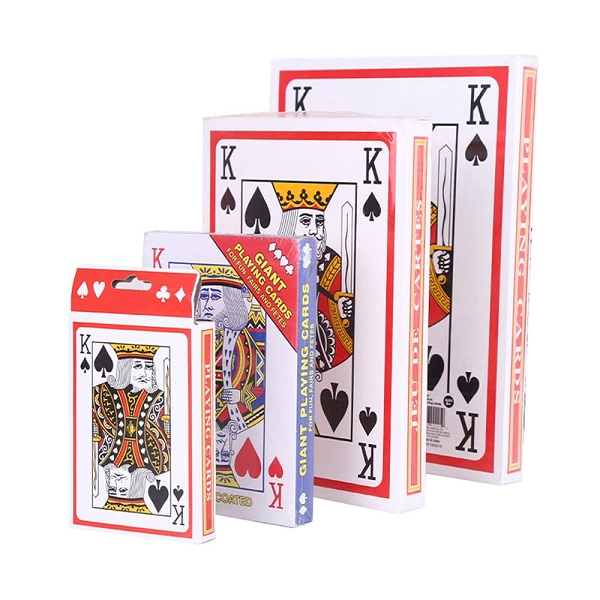
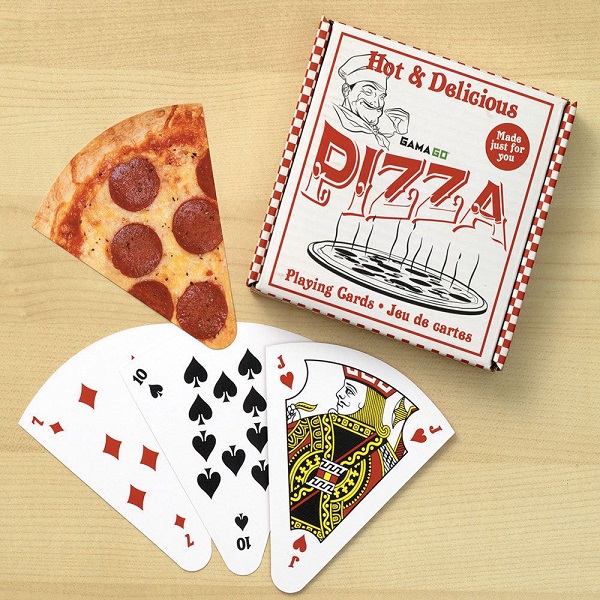
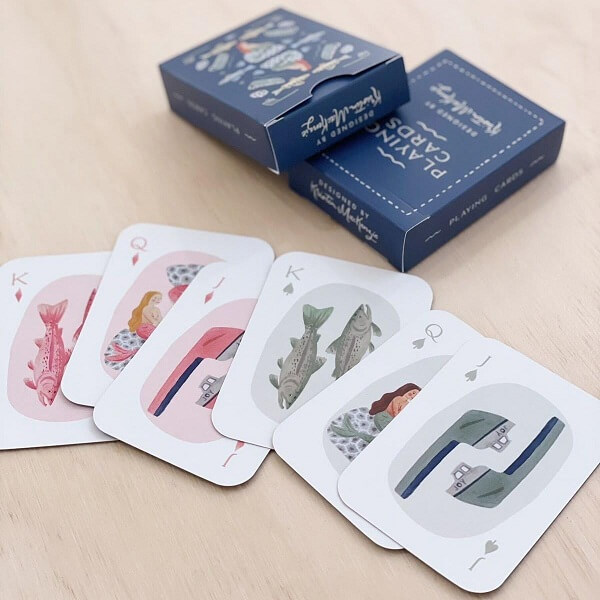
When it comes to non-standard playing cards retail sale, manufacturing partners like WellCards, based in Lanxi City, Zhejiang, China, handle production, ensuring consistent card stock and finishing before packaging. Finalize rules, playtest thoroughly, secure clear box art with UPC barcode, then submit a professional sales deck explaining the product and consumer opportunity to retail buyers or distributors for placement consideration.
What Should You Prepare Before Launching Retail Production?
Retail-ready card decks demand three things before a single unit reaches a store shelf: an accurate budget, a confirmed prototype, and a realistic timeline. Skipping any one of these steps turns a promising tarot deck or indie card game into a costly reprint down the line.
Get a Custom Non-Standard Playing Cards Quote from WellCards
Preparation follows a specific sequence. Each step builds on the last, and none should be skipped for the sake of speed.
Research printing costs first. Independent card game creators routinely ask industry forums for a general breakdown of printing expenses before committing to a run — a smart habit, since budget gaps derail retail launches faster than design flaws.
Request a digital proof. A proof confirms color accuracy, card stock, and layout before manufacturing begins.
Order a physical prototype. Holding an actual sample catches sizing, shuffle feel, and finish issues that screens miss. WellCards includes both proofs and prototypes as a standard part of order preparation, so specifications get verified before bulk production locks in.
Lock in a timeline. Sample production typically takes seven days, with bulk retail runs completing in two to four weeks — numbers worth building into any launch calendar for a non-standard playing cards retail sale.
How long does sample production actually take?
Seven days, start to finish, covers most sample turnarounds. That window gives creators time to review a physical deck before greenlighting a full retail batch.
Production itself runs through a dedicated facility in Lanxi City, Zhejiang, China. The manufacturing base behind decks headed for retail shelves worldwide. Publishers who confirm costs, approve a prototype, and set a delivery date walk into retail negotiations with numbers, not guesses.
How Do You Finalize Specs And Materials For Manufacturing?
Finalizing specifications means locking material, finish, durability standard, and compliance documentation before a single card gets printed. Skipping this step costs creators reprints, missed retail windows, and rejected inventory at the distributor’s dock. Anyone bringing non-standard playing cards to retail sale needs a production sheet a manufacturer can quote against without guesswork.
The process runs in a fixed order, since each decision depends on the one before it.
Pick the base material. Premium paper suits shorter runs and lower price points; PVC survives the heavy handling that retail floor demos and repeated shuffling demand.
Select finishing details. Custom sizes, foiling, and embossing separate a deck from mass-market competitors sitting on the same shelf.
Set a durability target. A 1,000+ shuffle guarantee gives buyers a measurable quality benchmark instead of a vague promise.
Confirm certification status. Decks crossing into EU or US retail channels need documented compliance before a distributor will list them.
Sign off on the production file. OEM/ODM design support turns a creator’s artwork into a file a factory floor can actually run.
Get a Custom Non-Standard Playing Cards Quote from WellCards
What material works best for a deck heading to store shelves?
PVC handles repeated shuffling and humidity better than paper, making it the stronger choice for open-shelf retail display. Paper remains viable for creators prioritizing cost over shelf longevity.
Does a non-standard deck need certification before distributors will carry it?
Cross-border retail almost always requires proof of compliance. Decks lacking EU or US certification risk rejection at customs or at the buyer’s intake review, regardless of print quality.
How Do You Build A Retail-Ready Sales Deck?
Six numbered steps turn a raw deck concept into a buyer-ready presentation. A weak pitch sinks even a strong product. Retail buyers reject good games and card sets purely because the presentation confuses them or drags on too long. Building the deck correctly, in order, prevents that outcome.
State the company story first. Buyers want to know who is behind the deck before they evaluate the cards themselves.
Describe the product clearly. Explain materials, card count, and what makes the design distinct from competitors on the shelf.
Define the consumer opportunity. Show who buys this deck and why they reach for it over alternatives.
Explain retail fit. Connect the product to the buyer’s existing shelf categories and customer base.
Cut anything that doesn’t serve clarity. Length is not the goal; a buyer who understands the pitch in minutes moves faster toward a yes.
Build the pitch before traction exists. Early-stage creators rarely have sales data, so the deck itself has to carry the vision.
For independent publishers and specialty non-standard playing card retail sale projects, factory-direct pricing that trims costs 30-a notable share gives that margin story real weight. A buyer evaluating shelf space wants confidence in unit economics, not just artwork.
What Should Be Left Out of a Sales Deck?
Padding kills momentum. Skip filler slides, redundant bios, or design flourishes that don’t answer a buyer’s core questions. Every slide should earn its place by clarifying the company, the product, or the retail opportunity.
Does a Sales Deck Matter Before a Product Has Sales History?
Yes. Early-stage creators often pitch partners with no revenue behind them yet. A clear, well-structured deck becomes the only tool available to communicate vision and secure that first retail commitment.
How Do You Get Non-Standard Decks Listed With Retailers?
Retail listing follows a clear sequence: submit sales details, secure database placement, then prove production readiness. Retailers will not stock a deck sight unseen. Specialty shops that carry tarot, oracle, and indie card games review submitted sales information before committing shelf space, and skipping this step stalls the process before it starts.
Creators pursuing non-standard playing cards retail sale opportunities should follow these steps in order:
Compile sales details. Prepare a clear summary of the deck’s concept, card count, and pricing before contacting any retailer.
Request database listing. Small-press and self-published creators, including tarot deck makers, can ask to be added to a retailer’s product database so buyers can discover the title.
Confirm category fit. Recognize that retailers weigh which non-standard categories to carry, and how deeply, before adding new inventory.
Verify production scale. Choose a manufacturer with a minimum order quantity workable for small runs; a threshold starting around 500 decks keeps retail entry realistic for independent publishers.
Plan fulfillment. Confirm shipping capability to retail partners abroad, since carriers like DHL, FedEx, and UPS covering 200-plus countries with compliance paperwork keep international orders moving without customs delays.
Get a Custom Non-Standard Playing Cards Quote from WellCards
Why do some non-standard decks never make it onto shelves?
Rejection usually traces back to unclear category fit, not card quality. Retailers stocking limited shelf space favor decks that match an established niche they already carry. An odd, unclassifiable format struggles at intake. Sales details that arrive incomplete or vague get deprioritized behind submissions that answer buyer questions upfront.
What Mistakes Derail Non-Standard Deck Launches?
Four missteps sink most non-standard playing cards retail sale attempts before shelves ever come into view. Skipped quality checks top the list. Compliance paperwork left for later runs a close second.
Deck creators often trust a single inspection pass. That’s a gamble. Rigorous triple-check quality control across pre-press, printing, and final inspection catches defects before they reach a buyer’s cart, and cutting any one of those three stages lets flawed cards slip through undetected.
Why does a great deck get rejected at the border?
Paperwork, not artwork, stops most shipments. Launching without EU/US compliance documentation, including FSC, REACH, and EN71 certifications, blocks a deck from ever clearing cross-border retail sale. Buyers overseas simply won’t stock what customs won’t release.
How much differentiation does a new deck actually need?
More than most creators assume. In established card categories, spending on the industry leader dwarfs spending on every competing product combined. A tarot deck or oracle set entering that field needs a sharp, obvious point of difference — not a subtle one.
Common failure points, in order of frequency:
Treating certification as a post-launch afterthought
Relying on one quality pass instead of three
Copying category leaders instead of differentiating
Underestimating production timelines against retail deadlines
That last point matters more than creators expect. Retail windows close fast, and missed shipping dates cost shelf space permanently. A production capacity exceeding one million decks monthly, paired with a a notable share on-time delivery rate, keeps launch dates intact rather than left to chance.
 English
 Deutsch
 Français
 Polski
 Português do Brasil
 Español
 日本語
日本語 Русский
 العربية
 Italiano
 Nederlands
 Türkçe
 한국어
한국어