
When selecting a playing card manufacturer, focus on the elements that determine print quality and reliable delivery. This guide summarizes key considerations—custom printing capabilities, quality checks, and card stock choices—to help you pick a supplier that meets your specifications in playing card manufacturing.
Custom Card Printing Services
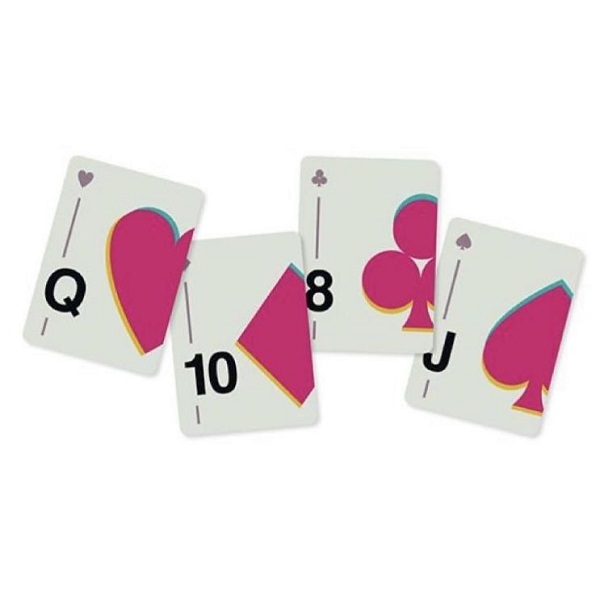
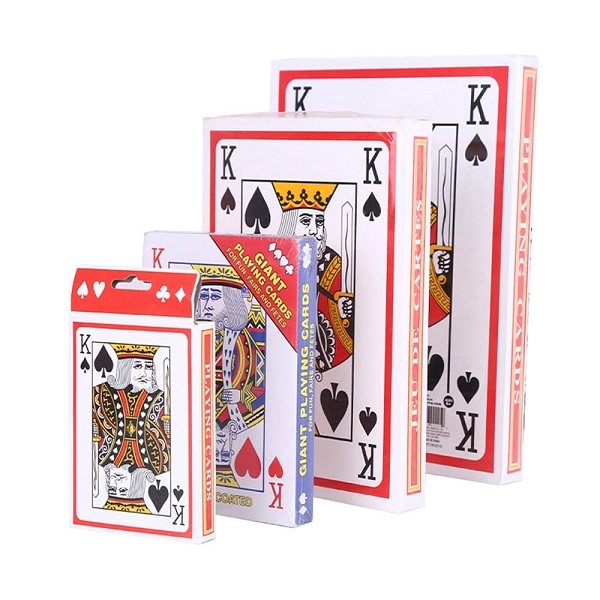
Confirm a manufacturer’s range of customization options, available sizes and materials, and whether they can handle your design requirements from proof to final production.
- Importance of Tailored Solutions: Customization lets you match brand and gameplay needs.
- Range of Production Runs: Verify capacity for small batches and large orders.
- Cost-effectiveness of Custom Options: Weigh higher unit costs against improved player experience.
Get a Custom Playing Card Quote from WellCards
Quality Assurance Practices
Look for systematic inspections, in-process checks, and clear production standards that ensure consistent results.
- Inspections for Print Fidelity: Regular checks keep colors and details accurate.
- Material Consistency Checks: Ensure stock uniformity for durability and handling.
- Adherence to Production Specifications: Confirm that tolerances and finishing specs are met.
Card Stock Quality Factors
A reliable supplier explains material options, how they affect feel and lifespan, and which coatings improve resistance to wear.
Types of Card Stock
Common stocks—paper, plastic, and linen—have distinct trade-offs in cost, durability, and texture.
- Paper Playing Cards: Lightweight and economical for casual play.
- Plastic Playing Cards: Durable and waterproof for heavy or outdoor use.
- Linen Playing Cards: Textured finish for improved handling and a premium feel.
Thickness Specifications
Thickness (for example, 300gsm or 330gsm) affects feel and longevity; choose according to expected use.
Material Considerations
Discuss coatings and material treatments to improve shuffleability and scratch resistance.
Best Card Stock Types
Match stock to the intended use: select the balance of durability, cost, and tactile quality that fits your product.
- Plastic vs. Paper vs. Linen Options: Choose plastic for longevity, paper for cost savings, linen for tactile appeal.
- Durability Comparisons: Plastic generally outlasts paper but costs more.
- Best Use Scenarios for Each Type: Align stock choice with game type and expected handling.
Material Certifications
Verify certifications that demonstrate safety and responsible sourcing; request documentation to confirm compliance.
- FSC Certification Importance: Indicates responsibly managed wood-based materials.
- EN71 Safety Standards: Important for children’s products and chemical safety.
- Impact on Consumer Trust: Certifications support brand credibility.
Get a Custom Playing Card Quote from WellCards
Printing Technologies
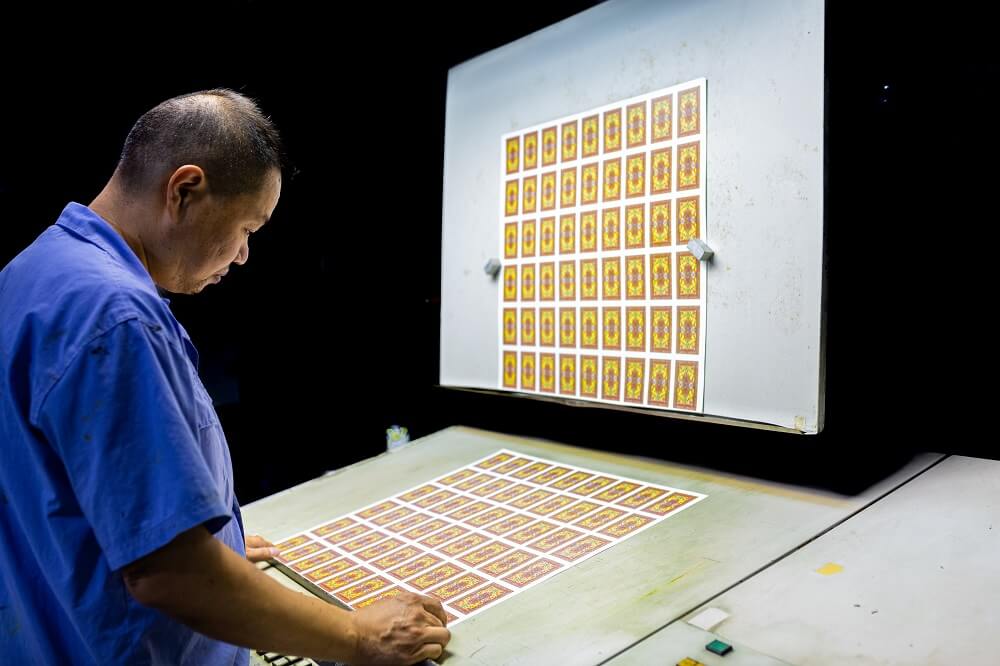
Check a supplier’s digital and offset capabilities to match your volume, turnaround, and colour-accuracy needs.
- Differences Between Digital and Offset Printing: Digital suits small, fast runs; offset is cost-efficient for bulk orders.
- Use Case Scenarios: Choose the method that best fits run size and customization.
- Benefits of Each Technology: Understand trade-offs in color, speed, and unit cost.
Finishing Options
Finishes change appearance and durability—ask which treatments enhance longevity without compromising feel.
- Types of Finishes Available: Common finishes include glossy, matte, and linen.
- Impact on Card Longevity: Certain coatings reduce wear and extend life.
- Visual Appeal Enhancements: Finishes can elevate shelf appeal and user experience.
Impact of Printing Methods on Customization
Printing method affects design flexibility and output quality—pick the one that preserves artwork and meets customization needs.
- Offset vs. Digital Printing Capabilities: Offset offers higher color fidelity; digital enables quicker proofs.
- Customization Potential for Small vs. Large Runs: Digital is ideal for personalized or short runs.
- Quality Considerations: Ensure the chosen process maintains artwork clarity.
Order Minimums, Lead Times, and Pricing
Confirm minimums, realistic lead times, and transparent pricing so your schedule and budget align with the supplier’s terms.
- Standard Order Minimums: Know MOQ before planning your launch.
- Expected Lead Times: Get clear production and shipping timelines.
- Pricing Transparency Considerations: Ask for itemized quotes to avoid surprises.
Transparency in Pricing
Request detailed, itemized quotes that include customization and expedited fees to compare vendors accurately.
- Importance of Clear Quotes: Transparent estimates clarify what you’re paying for.
- Hidden Costs to Watch Out For: Confirm extra charges for special finishes or rush work.
- Value for Money Considerations: Balance competitive pricing with required quality.
Manufacturer Experience and Certifications
Experience, documented processes, and recognized certifications indicate reliability; request references and sample work.
- How Experience Influences Quality: Established processes tend to reduce production issues.
- Significance of Industry Certifications: Certifications demonstrate adherence to standards.
- Role of Client Feedback and Partnerships: Testimonials and partners reflect real-world performance.
Choosing the right manufacturer means reviewing printing services, QA protocols, and material options. Confirm experience, certifications, and transparent pricing before committing. For inquiries or to discuss your custom project needs, please do not hesitate to contact us.
Get a Custom Playing Card Quote from WellCards
Frequently Asked Questions
What are some common custom options available for playing cards?
Size, shape, color, artwork, rounded corners, branded designs, and special finishes are typical options to personalize a deck.
How can I verify the quality of a playing card manufacturer?
Request samples across stocks, check certifications such as FSC or EN71, and review customer testimonials.
What is the typical lead time for custom playing card production?
Lead time varies by volume and specs; typical production ranges from two to six weeks—confirm schedules early.
Are there minimum order quantities when working with playing card manufacturers?
Many manufacturers have MOQs (often 100–500 decks); verify minimums before ordering.
What printing technologies are commonly used in playing card production?
Offset and digital are primary methods: offset for large runs, digital for small or personalized runs.
How do I choose the best card stock for my playing cards?
Select stock by intended use: paper for casual decks, plastic for durability, linen for grip and premium feel.
What role do material certifications play in choosing a playing card manufacturer?
Certifications confirm safety and responsible sourcing and help build consumer trust.
Conclusion
Evaluating printing options, QA practices, materials, and supplier credentials reduces risk and helps ensure consistent results. Contact us to discuss your manufacturing requirements and custom card solutions.
 English
 Deutsch
 Français
 Polski
 Português do Brasil
 Español
 日本語
日本語 Русский
 العربية
 Italiano
 Nederlands
 Türkçe
 한국어
한국어