
A standard deck of playing cards is common in homes and gaming venues, yet its exact composition is often overlooked. Knowing how many cards each suit contains matters for casual players and for manufacturers. This article outlines the structure of a standard deck and the distribution across hearts, diamonds, clubs, and spades, and notes implications for card manufacturing and customisation.
A standard deck comprises 52 cards divided equally among four suits, which supports fairness and balance in many games. Including two jokers raises the total to 54, though this discussion focuses on the 52 suited cards. We explain counts per suit, their relevance to manufacturers, and how clients can customise decks through companies like WellCards.
What Is the Standard Composition of a Playing Card Deck?
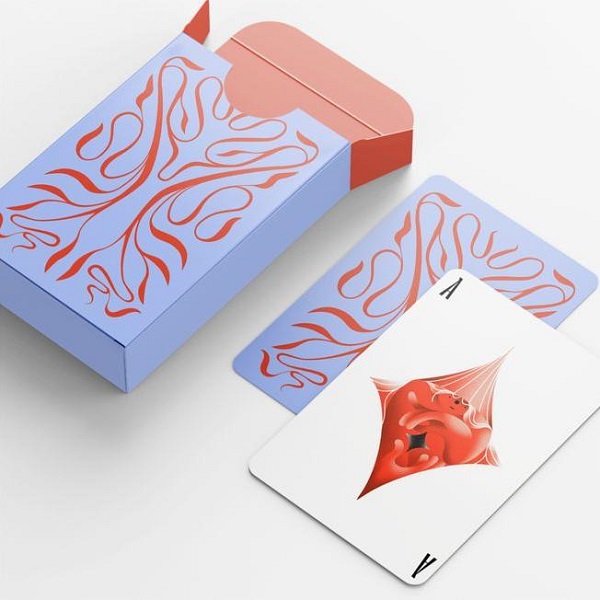
A standard deck contains 52 cards across four suits, with 13 cards per suit from Ace through King. The suits—hearts, diamonds, clubs, and spades—each use a distinct symbol. Most decks also include two jokers, bringing the total pieces to 54. This arrangement underpins many card games and ensures a balanced playing field.
Get a Custom Standard Playing Cards Quote from WellCards
How Many Cards Are There in Total in a Standard Deck?
When two jokers are present, a complete set has 54 pieces (52 standard cards + 2 jokers). The 52 playable cards are evenly divided among the four suits, with 13 cards per suit. That even split is central to many game rules and fairness considerations.
What Are the Four Suits Included in a Standard Deck?
The four suits in a standard deck of playing cards are:
- Hearts: Represented by a red heart symbol; this suit contains 13 cards.
- Diamonds: Also red; features a diamond shape and includes 13 cards.
- Clubs: Represented by a black clover-like symbol; contains 13 cards.
- Spades: Depicted as a black spade symbol; this suit also has 13 cards.
Each suit affects gameplay and strategy in different card games.
How Many Cards Are in Each Suit of a Standard Deck?
Each suit in a standard deck contains 13 cards, ensuring balance in suit-based mechanics. The breakdown is:
- Hearts: 13 cards
- Diamonds: 13 cards
- Clubs: 13 cards
- Spades: 13 cards
This equal distribution gives all players the same structural opportunities in games that rely on suits.
What Is the Number of Cards in the Hearts Suit?
The hearts suit contains 13 cards: Ace, the numbered cards 2–10, and the face cards Jack, Queen, and King. Hearts are often associated with love and emotion and appear prominently in many games.
How Are Cards Distributed Across Diamonds, Clubs, and Spades?
Diamonds, clubs, and spades each contain 13 cards. Diamonds use a diamond shape, clubs a clover-like symbol, and spades a spade. The consistent 13-card distribution across suits is essential for fairness and balance.
Why Is Understanding Card Suit Distribution Important for Manufacturers and Clients?
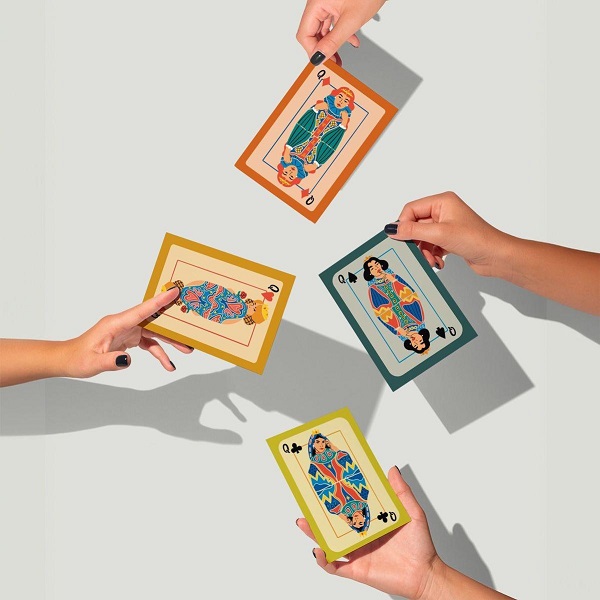
Accurate knowledge of suit distribution matters for manufacturers and clients. For manufacturers it supports quality control, inventory management, and the ability to meet customer specifications; for clients it informs custom designs and functional changes to decks.
Get a Custom Standard Playing Cards Quote from WellCards
How Does Precise Card Count Ensure Quality in Manufacturing?
Manufacturers rely on precise card counts to reduce production errors and ensure each deck meets standards. Careful counting and inspection protect customer satisfaction and brand reputation.
What Role Does Suit Distribution Play in Custom Card Printing Services?
Suit distribution matters for custom printing: knowing how many cards belong to each suit enables manufacturers to design decks that match client requirements, whether for themed games or specialised rule sets, while maintaining consistent user experience.
How Can Clients Customize Suit Counts and Designs in Standard Decks?
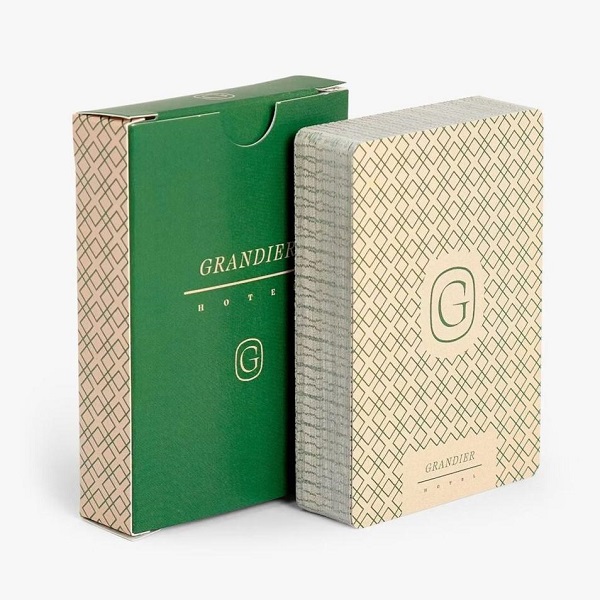
Clients can customise suit counts and visual elements to produce unique decks tailored to a brand, event, or game variant.
Get a Custom Standard Playing Cards Quote from WellCards
What Customization Options Are Available for Suit Counts?
Options include changing the number of cards per suit and creating themed decks with bespoke faces, indices, and backs. These adjustments let a deck reflect a client’s branding or preferred style.
How Does WellCards Support B2B Partnerships for Custom Decks?
WellCards specialises in high-quality standard playing cards and supports B2B custom projects. Their manufacturing expertise helps clients receive products that meet specifications with cost efficiency and quality assurance, enabling businesses to bring distinctive decks to market.
This table summarizes the equal card distribution across the four suits in a standard deck.
Understanding a standard deck’s composition benefits players and manufacturers alike. With 13 cards per suit, the uniformity supports balanced gameplay. For inquiries or support, you can contact us. Companies like WellCards offer customisation options that help clients create unique decks tailored to their needs, improving the card-playing experience.
Frequently Asked Questions
What are the historical origins of playing card suits?
The four suits—hearts, diamonds, clubs, and spades—have historical and cultural origins. Modern suits likely evolved from 15th‑century Italian card games: hearts and diamonds derive from the Italian coppe (cups) and denari (coins), while clubs and spades trace to the French bastoni (sticks) and spade (swords). This reflects a blending of regional traditions over time.
How do different cultures interpret playing card suits?
Suits carry varied meanings across cultures. In some Asian traditions suits are linked to elements such as fire, water, earth, and air. In Western contexts suits often represent social classes or emotions: hearts commonly signify love, diamonds wealth, clubs labour, and spades military or nobility. These interpretations can influence play and strategy.
Are there variations in the number of cards in non-standard decks?
Non-standard decks can differ significantly in card count and suit composition. For example, tarot decks typically contain 78 cards divided into major and minor arcana, while Pinochle uses a 48-card deck. Recognising these differences is essential when adapting to specific game rules.
What are the most popular card games that utilize a standard deck?
Popular games using a standard deck include Poker, Bridge, Rummy, and Solitaire. Each has distinct rules and strategies: Poker emphasises betting and bluffing; Bridge is a partnership trick‑taking game requiring communication. Familiarity with each game’s rules improves play and enjoyment.
How can I maintain and care for my playing cards?
To preserve playing cards, store them in a cool, dry place out of direct sunlight to prevent warping and fading. Use a card box or protective sleeve to shield against dirt and damage. Clean with a soft, dry cloth to remove oils and avoid bending or creasing. Proper care extends card life.
What are the benefits of customizing playing cards?
Customising playing cards provides personalisation and branding opportunities. Custom decks reflect individual styles or corporate identity, making them suitable for gifts, promotions, or events. They can also introduce unique designs or rules that enhance gameplay and create memorable experiences.
Conclusion
Understanding suit distribution helps players and manufacturers. With 13 cards in each suit, the uniformity supports balanced gameplay across many card games. For custom decks and tailored suit counts, partnering with companies like WellCards can deliver designs that meet specific needs.
 English
 Deutsch
 Français
 Polski
 Português do Brasil
 Español
 日本語
日本語 Русский
 العربية
 Italiano
 Nederlands
 Türkçe
 한국어
한국어