
Card mass significantly influences performance and usability across card games. Understanding weight, thickness and the materials used in production improves the experience for both casual players and serious enthusiasts. This article examines typical card weights, standard dimensions, and material contributions to mass, and explains how these factors affect quality and handling. It also outlines manufacturing controls that support consistency in mass and quality.
What Is the Typical Weight of a Standard Playing Card?
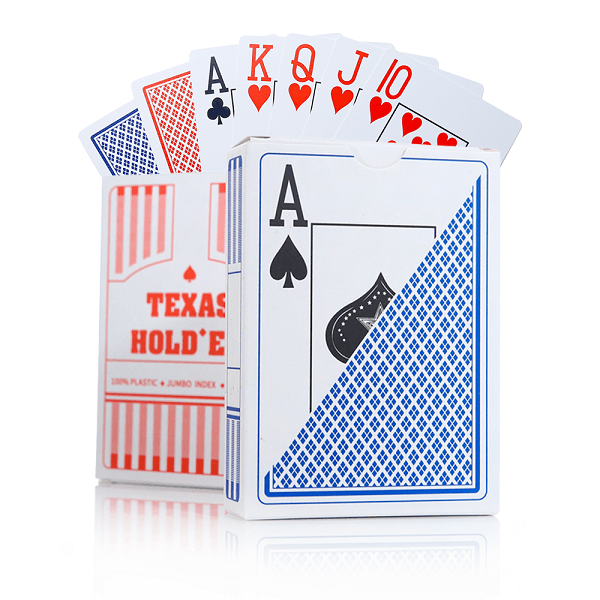
A standard playing card typically weighs 10 to 15 grams, depending on materials and manufacturing methods. Weight affects hand feel and durability: heavier cards feel more substantial and often shuffle and handle better, while lighter cards can seem less robust but may be easier to shuffle.
Get a Custom Standard Playing Cards Quote from WellCards
How Does Playing Card Weight Affect Quality and Handling?
Weight directly influences handling characteristics and durability. Heavier cards resist bending and wear, which is valuable for games with frequent shuffling. Lighter cards can be easier to shuffle but may feel less substantial. Players commonly seek a balance between weight and flexibility to maintain comfort and card integrity during play.
What Are the Measured Weight Ranges in Grams for Standard Cards?
Standard playing cards commonly weigh between 9 and 15 grams. The range depends on card stock and manufacturing technique; premium cards may weigh more due to higher-quality materials and finishes. Knowing these ranges helps players and manufacturers target handling characteristics since weight influences gameplay dynamics.
What Are the Standard Thickness and Dimensions of Playing Cards?
Standard card thickness is generally around 0.3 to 0.33 millimetres. Thickness affects durability and tactile feel: thicker cards resist bending and last longer, while thinner cards may be easier to shuffle but can wear more quickly.
How Is Card Thickness Measured in Millimeters and GSM?
Card thickness is measured in millimetres (mm) and grams per square metre (GSM). GSM indicates the weight of the card stock and correlates with thickness and durability—for example, a 300 GSM stock is typically thicker and more robust than a 250 GSM stock. Manufacturers use these metrics to ensure cards meet required quality standards.
What Are the Common Dimensions for Poker and Standard Playing Cards?
Common dimensions for standard playing cards are approximately 63mm x 88mm, the size used for most poker decks. Bridge cards are slightly narrower at about 57mm x 89mm. These standard sizes ensure compatibility across games and facilitate handling and shuffling.
Which Materials and Card Stock Types Determine Playing Card Mass?
Materials used in production significantly affect card mass and overall quality. Common options include paper, plastic and various premium blends that enhance durability and performance. Each material offers distinct advantages that influence weight, tactile feel and service life.
How Do Material Choices Impact Card Weight and Durability?
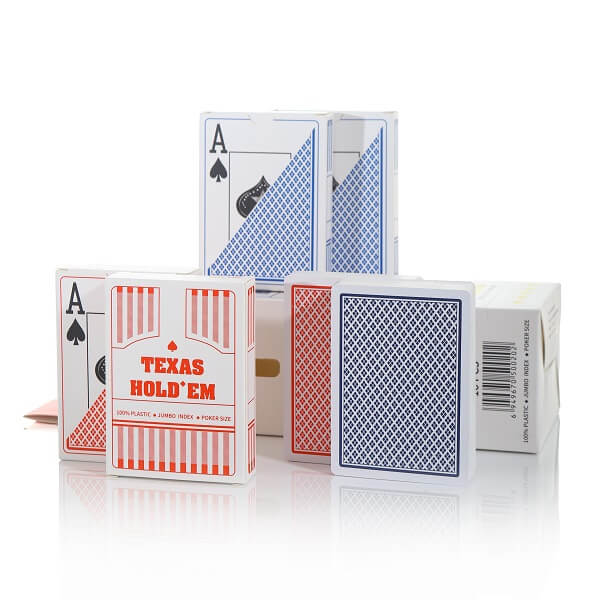
Material selection directly affects both weight and durability. Plastic cards are generally heavier and more durable than paper cards, making them suitable for outdoor play or situations with moisture exposure. Paper cards are lighter and provide a traditional feel but are more susceptible to wear. Understanding these differences helps you choose cards suited to specific needs.
Get a Custom Standard Playing Cards Quote from WellCards
How Does WellCards Ensure Consistent Mass and Quality in Manufacturing?
WellCards applies rigorous quality control measures so each playing card meets strict standards for mass and consistency. By using high-quality materials and advanced manufacturing processes, WellCards maintains reliable weight and durability—important for players who depend on predictable card performance.
What Printing and Manufacturing Processes Affect Card Weight?
Printing and manufacturing methods influence final card weight. Lamination and coatings can increase weight while improving durability and wear resistance. WellCards uses modern printing technology to meet weight specifications and deliver vibrant graphics with a smooth finish.
How Do Certifications Like FSC and REACH Guarantee Product Standards?
Certifications such as FSC (Forest Stewardship Council) and REACH (Registration, Evaluation, Authorisation and Restriction of Chemicals) help ensure cards are produced according to environmental and safety standards. These certifications confirm materials meet regulatory and health requirements, providing confidence in product quality and safety.
The table shows differences in weight and thickness across card stock types, underlining how material choice affects the overall characteristics of playing cards.
What Is the Mass of a Standard Playing Card | FAQs
What Factors Should I Consider When Choosing Playing Cards?
Consider weight, thickness, material and intended use when selecting playing cards. Heavier cards typically provide greater durability and a more substantial feel, while lighter cards are often easier to shuffle. Material—paper, plastic or premium blends—affects longevity and performance. If you play frequently or in varied environments, choose cards that balance durability with handling to improve your experience.
Are There Different Types of Playing Cards for Specific Games?
Yes. Different games require different cards. Poker cards are typically larger (63mm x 88mm) than bridge cards (57mm x 89mm). Some games require specialized decks, such as tarot or collectible trading cards, which have unique designs and dimensions. Match the deck type to the game requirements to ensure proper handling and play.
How Can I Maintain the Quality of My Playing Cards?
Store cards in a cool, dry place away from direct sunlight to prevent warping and fading. Use sleeves or boxes to protect them from dirt and damage during play. Clean cards with a soft cloth to remove oils and grime, and avoid bending or creasing them, as this will affect performance and longevity. Proper care preserves condition for years.
What Are the Benefits of Using Plastic Playing Cards?
Plastic playing cards offer greater durability and resistance to bending and moisture, making them suitable for outdoor use. They typically have a smoother finish that improves shuffling and dealing and are easier to clean, extending service life. While slightly heavier, many players prefer the enhanced durability and consistent performance.
How Do I Know If My Playing Cards Are High Quality?
High-quality playing cards exhibit consistent weight and thickness, smooth edges and vibrant printing. Look for cards made from premium materials such as high-grade paper or plastic blends. Certifications like FSC and REACH indicate compliance with quality and safety standards. Reviews and recommendations can also identify reputable brands with reliable products.
Can Playing Card Weight Affect Game Strategy?
Yes. Card weight can influence strategy in games that involve frequent shuffling or precise handling. Heavier cards offer a more stable feel and greater control, while lighter cards may allow faster shuffling in rapid-play games. Players develop preferences based on handling and comfort, which can affect performance and strategy.
Conclusion
Understanding the mass, thickness and materials of standard playing cards is essential to improving gameplay and ensuring durability. Choosing appropriate cards can materially enhance handling and the overall player experience. Explore our range of high-quality playing cards to find the best fit for your needs and elevate your play with our premium selections.
 English
 Deutsch
 Français
 Polski
 Português do Brasil
 Español
 日本語
日本語 Русский
 العربية
 Italiano
 Nederlands
 Türkçe
 한국어
한국어