
Turning a deck idea into real playing cards is both fun and doable. Card stock is a common and versatile choice: it comes in different weights, finishes, and durability levels that affect how the cards look, feel, and hold up. This guide walks you through the best card stock options, printing and finishing choices that improve quality, and how durability changes gameplay. We’ll also explain how to order custom decks from WellCards, a specialist in high-quality card printing.
What Are the Best Card Stock Types for Custom Playing Cards?
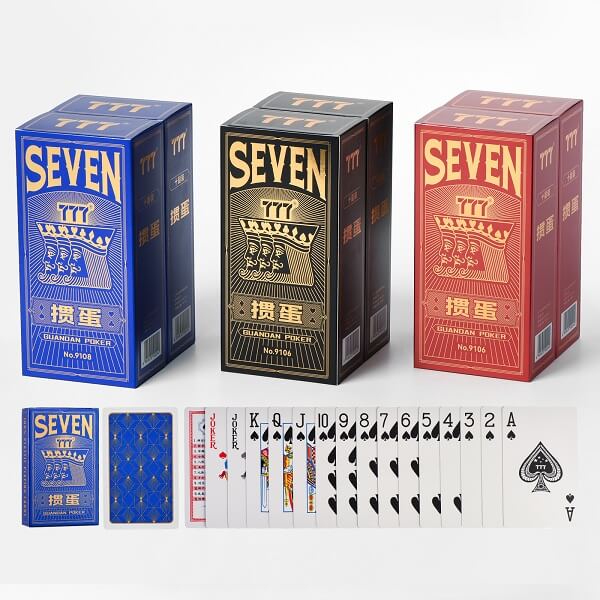
Choosing the right card stock is the foundation of a good custom deck. Different stocks change a card’s stiffness, weight, handling, and longevity—so pick with your use case in mind (occasional play, tournament use, or promotional giveaways).
Get a Custom Playing Cards Quote from WellCards
Which Card Stock Thickness Is Ideal for Durable Playing Cards?
Thickness strongly influences durability and feel. Card stocks typically range from about 10 pt to 16 pt. For most standard decks, 12 pt–14 pt strikes the best balance between flexibility and sturdiness. For heavy shuffling or frequent handling, consider 16 pt for a firmer, more resilient deck.
How Do Material Types Affect Playing Card Quality?
Material matters. Paper stock is affordable and prints beautifully; plastic adds water resistance and long-term durability. Eco-friendly options made from recycled or sustainably sourced fibers can match traditional stocks in performance. Consider feel, weight, and the deck’s expected lifespan when choosing a material.
What Printing and Finishing Techniques Enhance Custom Playing Cards?
Printing and finishing shape both the visual quality and the tactile experience of a deck. Good printing gives accurate colors and sharp detail; finishing determines grip, sheen, and protection against wear.
What Printing Methods Are Used in Custom Card Manufacturing?
The two common approaches are digital and offset printing. Digital printing is fast and ideal for small runs or highly customized decks. Offset printing excels on large runs, offering consistent color and cost efficiency at scale. Your choice depends on quantity, budget, and how color-critical your design is.
Both offset and digital printing work well, but each has typical quality trade-offs you should understand before ordering.
Offset vs. Digital: Typical Print Quality Differences
Offset printing—because it supports many material and coating combinations—tends to show more material-related defects when those combinations aren’t matched correctly. Digital printing’s quality issues are more often technical, tied to resolution and addressability limits.
A survey of digital and offset print quality issues, 2007
How Do Finishing Options Like Matte and Gloss Impact Card Durability?
Finishes change grip, appearance, and durability. Matte coatings cut glare and improve handling in bright light; they hide minor scuffs well. Gloss finishes boost color vibrancy but can reveal fingerprints and fine scratches more easily. Texture finishes—like linen—add grip and a classic feel. Choose the finish that best matches how your deck will be used.
How Does Card Stock Durability Influence Playing Card Performance?
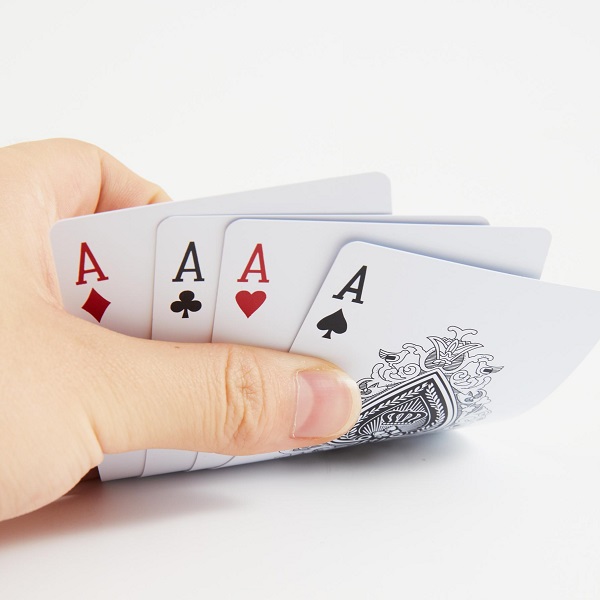
Durable card stock keeps a deck stable through repeated shuffles and long sessions. The right combination of material, thickness, and coating preserves edges, print, and playability.
Get a Custom Playing Cards Quote from WellCards
What Makes Card Stock Durable for Game Use?
Durability depends on the stock’s composition, thickness, and the protective finish. Heavier, well-composed stocks resist bending, tearing, and fraying. Protective coatings add moisture and dirt resistance, helping cards stay playable and looking good over time.
Are Eco-Friendly Materials Suitable for Custom Playing Cards?
Yes—many eco-friendly stocks now rival traditional papers in durability and print quality. Recycled and sustainably sourced options are a solid choice if reducing environmental impact matters to you; confirm the manufacturer’s durability specs to match your needs.
How Can I Order Custom Playing Cards Using Card Stock from WellCards1990?
Ordering from WellCards is straightforward and flexible. They offer a range of materials and finishes so you can build a deck that fits your budget and use case, whether it’s a single prototype or a large production run.
What Is the Custom Card Manufacturing Process at WellCards1990?
The process is simple: submit artwork or pick a template, confirm specs (stock, thickness, finish), and the team prints using industry-standard equipment for accurate color and detail. After printing, cards are cut, coated, inspected, and packaged so they arrive ready to play.
How Does the Quote Request Process Work for Bulk Orders?
For bulk jobs, provide your desired quantity, card specs, and any special finishing requests. WellCards will return a detailed quote with pricing and lead times so you can compare options and plan production confidently.
Use Card Stock for Custom Playing Cards | FAQs
Can I use different types of finishes on my custom playing cards?
Yes. Common options include matte, gloss, and textured (linen) finishes. Matte reduces glare and improves grip; gloss enhances color intensity; linen adds a tactile pattern and classic look. Match the finish to how and where the cards will be used.
What is the typical turnaround time for custom playing card orders?
Turnaround depends on design complexity, quantity, and the chosen printing method. Digital jobs usually ship faster—often within a week—while offset runs can take longer, especially at higher volumes. Check with the manufacturer for a precise schedule tied to your order.
Are there any minimum order requirements for custom playing cards?
Many printers set minimums. Digital printing often supports smaller runs, while offset becomes cost-effective at larger quantities. Confirm minimums and pricing tiers with your supplier before finalizing your design.
What design software is recommended for creating custom playing card artwork?
Professional tools like Adobe Illustrator and Photoshop are recommended for precise, print-ready files. Free alternatives such as GIMP and Inkscape can work, too. Always follow the printer’s guidelines for dimensions, bleed, and file formats to avoid production delays.
Can I order a sample pack of custom playing cards before placing a bulk order?
Many manufacturers offer sample packs so you can check materials, finishes, and print quality before committing to a full production run. Ask about sample availability and any associated costs when you request a quote.
What are the best practices for storing custom playing cards?
Store decks in a cool, dry place out of direct sunlight. Use a protective case or box to prevent bending and edge wear. Keep cards away from moisture and clean hands to preserve the stock and printing. Regular inspection helps catch issues early if the deck is used frequently.
Conclusion
Choosing the right card stock, printing method, and finish makes a measurable difference in how your custom deck looks, feels, and performs. With thoughtful material selection and the right partner—like WellCards—you can create durable, attractive playing cards tailored to your needs. Ready to bring your design to life? Start your custom card project and craft a deck built to play.
 English
 Deutsch
 Français
 Polski
 Português do Brasil
 Español
 日本語
日本語 Русский
 العربية
 Italiano
 Nederlands
 Türkçe
 한국어
한국어