
Non-standard playing cards depart from the classic 52-card French suit template, favoring custom artwork, shapes, or materials like wood and metal instead of paper. Cardistry decks fall into this category, optimized for flourishing rather than traditional play. WellCards produces custom decks in premium paper or PVC, guaranteed for 1,000+ shuffles.
What Exactly Are Non-Standard Playing Cards?
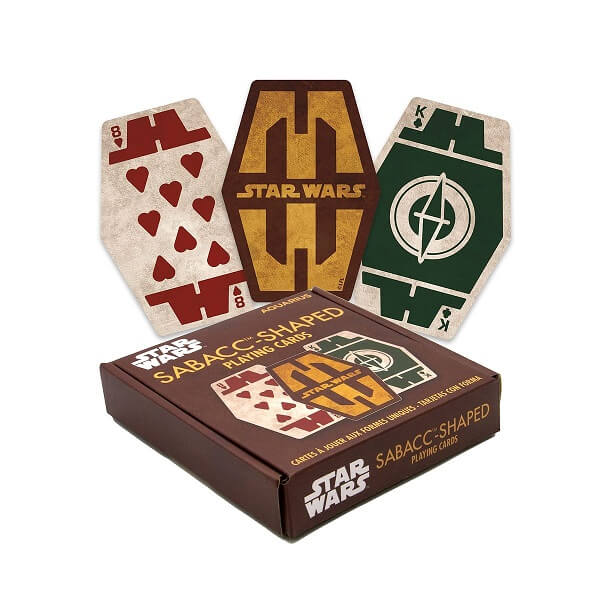
Material, format, and theme separate a standard deck from something wilder. Non-standard playing cards swap the expected paper rectangle for unexpected shapes, unconventional finishes, and materials never meant for a card table. Collectors chasing something different will find plenty of room to roam here.
Standard decks follow a strict formula. Wikipedia defines a playing card as card stock, heavy paper, plastic-coated paper, cotton-paper blend, or thin plastic, marked with recognizable suit motifs. That formula built the poker deck every casino and living room recognizes on sight.
Get a Custom Non-Standard Playing Cards Quote from WellCards
What makes a deck “non-standard”?
Anything that departs from that formula counts. Design, material, and theme can all shift, according to marketplace listings of unusual playing cards. Artistic illustrations replace pip cards, unconventional shapes replace rectangles, and materials like wood or metal replace paper entirely. Themes range from historical figures to pop culture to abstract art, giving collectors far more to chase than fifty-two familiar faces.
Does material change how a deck feels in hand?
Material choice shapes handling, durability, and even sound during a riffle. Two options dominate serious custom production:
Premium paper — flexible, quiet, and traditional in feel.
PVC — waterproof, rigid, and built to outlast heavy handling.
WellCards manufactures custom playing cards in premium paper or PVC, extending material options past what a standard drugstore deck ever offers. For enthusiasts building a themed collection, that choice between paper’s snap and PVC’s resilience matters as much as the artwork on the face.
Why Do Cardists Crave Custom Deck Designs?
Cardistry has surged over the past decade. That growth fuels a hunger for decks built specifically for flourishing rather than plain gameplay. A deck that slides cleanly through a fan or a one-handed cut demands different engineering than a standard poker deck grabbed off a drugstore shelf. This shift explains why so many cardists now seek out non-standard playing cards designed with flourishing in mind.
Handling matters, but so does the visual payoff. Cardistry decks succeed when smooth handling meets striking design. The artwork has to look sharp mid-spin, not just sit still on a table. That combination has expanded the market considerably, giving performers and collectors far more options than a single mass-produced brand ever offered.
What makes a deck good for cardistry specifically?
Weight, finish, and card stock all shape how a deck fans, springs, or cuts. Custom sizing, foiling, and embossing let a design stand out during a flourish while keeping the cards fast in hand. WellCards offers these finishing options, giving enthusiasts a way to commission decks tuned for performance rather than settling for generic stock.
Can a small studio actually create its own deck?
Yes — full OEM/ODM design support removes the biggest barrier for independent creators. A collector with a sketch or a magician with a signature flourish idea can move from concept to finished deck without an in-house factory. That access matters most to hobbyists who want their identity, not someone else’s, on the cards they carry.
Small print runs used to sit far out of reach for individual cardists. Design partnerships now shrink that gap, turning a personal concept into a real deck built for the table and the flourish alike.
What Materials Push Decks Beyond Paper?
Wood and metal replace paper stock entirely in some of the most striking non-standard playing cards on the market. Collectors chasing something beyond the usual coated cardstock will find decks built from unconventional substrates that change weight, sound, and feel in the hand. A metal card lands on the table differently than paper. A wooden card carries grain and texture no laminate can fake.
These material shifts aren’t cosmetic gimmicks. Cardistry enthusiasts and magicians who handle decks daily notice the difference in flex, snap, and edge wear within the first few shuffles.
Get a Custom Non-Standard Playing Cards Quote from WellCards
Do unusual materials hold up to regular use?
Durability depends entirely on construction, not novelty. WellCards addresses that concern directly by backing every custom deck with a guarantee rated past 1,000 shuffles, regardless of material choice. That standard matters most for gamers and magicians who put decks through repeated flourishes, riffles, and table slams rather than a single display case.
Why does factory-direct production matter for collectors?
Commissioning a deck in an unusual material or format historically meant paying a steep premium for small-batch craftsmanship. Factory-direct manufacturing changes that math. Ordering through a direct production channel lets collectors. Small studios save 30 to 50 percent compared to typical retail markups, making experimental materials accessible without boutique pricing.
Material selection generally falls into a few categories:
Premium paper stock — traditional feel, favored for cardistry flourishes and riffle shuffles
PVC and plastic-coated options — added rigidity and water resistance for heavy handling
Wood-based cards — unconventional texture, often used for display or novelty decks
Metal cards — maximum durability, distinct tactile and auditory feedback
Choosing a material ultimately comes down to intended use. A deck built for competitive cardistry demands different handling qualities than one built to sit on a shelf.
How Do Premium Publishers Improve Deck Craft?
Craft separates a collectible deck from a bargain-bin pack of cards. Specialty publishers build reputations by treating non-standard playing cards as serious objects, suited equally for games, tarot readings, magic performances, and cardistry routines. That range matters. A deck built for one discipline often fails another. Publishers engineer flexibility into every sheet of stock rather than chasing a single use case.
Distinguishing features tend to cluster around a few consistent choices:
Hand-painted artwork commissioned from working illustrators, not recycled templates
Award-winning design work recognized within collector and gaming circles
Luxury packaging that protects the deck and signals its value on a shelf
Premium paper stock chosen for handling, not just for looks
What Makes a Deck Suitable for Cardistry?
Handling comes first. A cardistry-ready deck needs consistent flex, clean edges, and a finish that resists sticking during fans and cuts. Artwork matters too, but a beautiful deck that jams mid-flourish loses its audience fast, no matter how striking the box looks on a shelf.
Can Buyers Confirm Custom Finishes Before a Bulk Order?
Yes, when the manufacturer builds proofing into the process. WellCards includes digital proofs and physical prototypes with production. Buyers see and handle a sample before committing to a full run. That step catches finish problems — foiling, embossing, corner rounding — before they multiply across a thousand decks.
Compliance rarely gets the spotlight, but it decides whether a deck reaches international collectors at all. WellCards maintains EU/US certification, clearing the regulatory hurdles that custom and non-standard decks face when crossing borders. A gorgeous deck stuck in customs helps no one — least of all the collector waiting for it.
How Can You Order a Custom Deck?
A custom order begins with a design brief, moves through sample approval, then rolls into bulk production. WellCards runs this entire process from its manufacturing base in Lanxi City, Zhejiang, China — a facility built specifically for export-scale card production. That geography matters for collectors abroad: it means one production line handling everything from prototype to pallet, rather than a patchwork of subcontractors.
Timing is where many custom projects fall apart. Not here. Sample decks typically arrive within seven days, giving cardists and collectors a physical prototype to test for flex, snap, and finish before committing to a full run. Bulk production then completes in two to four weeks, a window tight enough for a magician prepping a tour or a shop stocking a seasonal release.
Get a Custom Non-Standard Playing Cards Quote from WellCards
Can a Small Collector Order Compete with a Big Brand Order?
Scale rarely becomes a bottleneck. Monthly capacity exceeds one million decks, which means small collector batches and large-scale non-standard playing cards orders move through the same infrastructure without one delaying the other. A hobbyist ordering a few hundred decks isn’t waiting behind a casino’s container shipment.
Should Beginners Start with a Custom Deck?
Probably not right away. New cardists are usually pointed toward inexpensive standard decks. Often bicycle-style cards priced around three dollars — to build fundamentals before investing in custom artwork. Once flourishing technique solidifies, moving to a bespoke deck becomes a natural next step rather than a gamble on unfamiliar handling.
FAQ
What makes a deck non-standard?
Non-standard playing cards depart from the classic 52-card French suit template, using custom artwork, unique shapes, or materials like wood and metal instead of paper.
What materials do non-standard playing cards use?
WellCards, based in Lanxi City, Zhejiang, China, produces custom decks in premium paper or PVC, each guaranteed for 1,000+ shuffles.
Why do cardists prefer non-standard decks?
Cardistry decks are optimized for flourishing rather than traditional play, requiring specific weight, finish, and card stock to fan, spring, or cut smoothly while looking sharp mid-spin.
 English
 Deutsch
 Français
 Polski
 Português do Brasil
 Español
 日本語
日本語 Русский
 العربية
 Italiano
 Nederlands
 Türkçe
 한국어
한국어