
Personalizacja przedniej części kart do gry może przekształcić standardową talię w wyjątkowe i spersonalizowane doświadczenie. Niezależnie od tego, czy chodzi o specjalne wydarzenie, promocję firmy, czy po prostu zabawę, możliwość zaprojektowania własnych kart do gry pozwala na kreatywną ekspresję i możliwości budowania marki. Ten artykuł poprowadzi Cię przez różne opcje projektowania, techniki drukowania i procesy zamawiania związane z tworzeniem niestandardowych kart do gry. Dzięki zrozumieniu tych elementów możesz mieć pewność, że spersonalizowane talie kart nie tylko świetnie wyglądają, ale także spełniają określone potrzeby.
W tym przewodniku zbadamy najlepsze opcje projektowania niestandardowych frontów kart do gry, wpływ technik drukowania na jakość, proces zamawiania druku masowego oraz sposób, w jaki opcje pakowania i wykańczania mogą ulepszyć twoje karty. Dzięki wglądowi w narzędzia programowe, rodzaje materiałów i harmonogramy produkcji, będziesz dobrze przygotowany do tworzenia oszałamiających niestandardowych kart do gry, które się wyróżniają.
Jakie są najlepsze opcje projektowania niestandardowych frontów kart do gry?
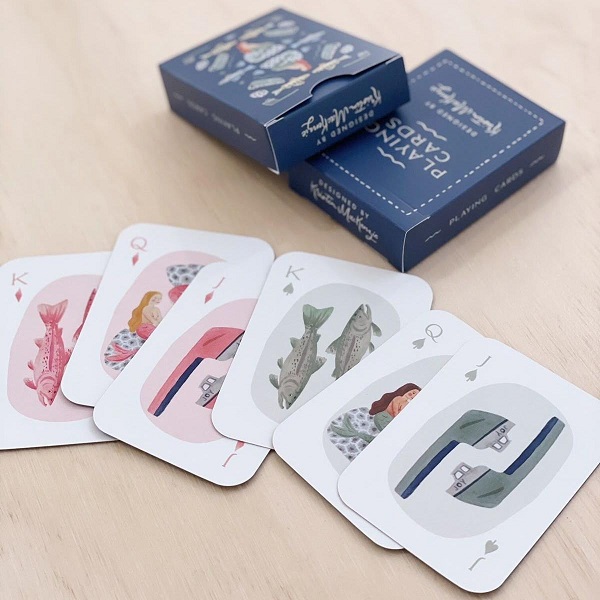
Jeśli chodzi o personalizację awersów kart do gry, dostępnych jest wiele opcji projektowania. Możesz wybierać spośród różnych motywów, kolorów i układów, aby stworzyć talię, która odzwierciedla Twoją osobowość lub markę. Kluczem jest wybór wzorów, które nie tylko wyglądają atrakcyjnie, ale także zwiększają funkcjonalność kart podczas gry.
Uzyskaj wycenę niestandardowych kart do gry od WellCards
Które narzędzia programowe pomagają w projektowaniu własnych kart do gry?
W projektowaniu własnych kart do gry może pomóc kilka narzędzi programowych. Popularne opcje obejmują Adobe Illustrator, Canva i Photoshop, które oferują przyjazne dla użytkownika funkcje i szablony odpowiednie do projektowania kart. Narzędzia te umożliwiają manipulowanie obrazami, dodawanie tekstu i eksperymentowanie z różnymi układami, zapewniając, że ostateczny projekt będzie zarówno profesjonalny, jak i efektowny wizualnie.
Jakie rodzaje materiałów i wykończeń wzbogacają spersonalizowane talie kart?
Wybór materiałów i wykończeń odgrywa kluczową rolę w jakości spersonalizowanych talii kart. Typowe opcje kartoników obejmują materiały standardowe, premium i ekologiczne, z których każdy oferuje inną trwałość i wrażenia dotykowe. Opcje wykończenia, takie jak mat lub połysk, mogą zwiększyć atrakcyjność wizualną i wrażenia dotykowe kart. Na przykład, matowe wykończenie zapewnia wyrafinowany wygląd, jednocześnie redukując odblaski, ułatwiając czytanie kart w różnych warunkach oświetleniowych.
W jaki sposób techniki druku wpływają na jakość druku niestandardowych awersów kart?
Technika druku zastosowana na niestandardowych powierzchniach kart znacząco wpływa na ich ogólną jakość i trwałość. Zrozumienie różnic między różnymi metodami drukowania może pomóc w podejmowaniu świadomych decyzji dotyczących projektu.
Jakie są różnice między metodami druku offsetowego i cyfrowego?
Druk offsetowy to tradycyjna metoda, która wykorzystuje płyty do przenoszenia atramentu na powierzchnię karty, co skutkuje wysokiej jakości obrazami i żywymi kolorami. Metoda ta jest idealna dla dużych nakładów ze względu na jej opłacalność. Z kolei druk cyfrowy pozwala na szybszy czas realizacji i jest odpowiedni dla mniejszych ilości, co czyni go popularnym wyborem dla niestandardowych projektów. Jednak jakość może się różnić w zależności od drukarki i użytych materiałów.
Jak metody drukowania wpływają na trwałość i wygląd kart?
Wybór metody drukowania ma również wpływ na trwałość i wygląd kart. Druk offsetowy zazwyczaj produkuje trwalsze karty, które mogą wytrzymać częste użytkowanie, podczas gdy wydruki cyfrowe mogą być bardziej podatne na zużycie. Ponadto rodzaj użytego tuszu i powłoki może wpływać na odporność kart na blaknięcie i wilgoć, zapewniając, że z czasem zachowają swój żywy wygląd.
Ten nacisk na ochronę jest dodatkowo wspierany przez badania nad trwałością i wytrzymałością druku cyfrowego.
Ochrona wydruków cyfrowych: Właściwości papieru i obróbka powierzchni
Papier wykorzystywany jako podłoże drukowe w technikach elektrofotograficznych powinien charakteryzować się odpowiednią strukturą, właściwościami powierzchniowymi i optycznymi oraz stabilnością termiczną. Produkty poligraficzne są często narażone na negatywny wpływ zewnętrznych warunków klimatycznych. Obróbka powierzchni za pomocą lakierowania i laminowania jest powszechnym rozwiązaniem w celu ochrony produktów końcowych przed światłem, wyższymi temperaturami i podwyższoną wilgotnością względną.
Trwałość i wytrzymałość wydruków cyfrowych na papierze, 2006
Jak wygląda proces zamawiania masowego drukowania niestandardowych kart do gry?
Zamawianie niestandardowych kart do gry luzem obejmuje kilka kroków, aby zapewnić, że produkt końcowy spełni Twoje oczekiwania. Zrozumienie tego procesu może pomóc usprawnić doświadczenie i uniknąć potencjalnych pułapek.
Uzyskaj wycenę niestandardowych kart do gry od WellCards
Jakie są minimalne i maksymalne ilości zamówień dla klientów B2B?
Dla firm, które chcą zamówić niestandardowe karty do gry, ważne jest, aby znać minimalne i maksymalne ilości zamówienia. Zazwyczaj firmy takie jak WellCards oferują elastyczne opcje, pozwalając klientom zamówić zaledwie 50 talii lub nawet kilka tysięcy, w zależności od ich potrzeb. Ta elastyczność ułatwia firmom efektywne zarządzanie zapasami i budżetem.
Jak czas produkcji wpływa na dostawę niestandardowych talii kart?
Czas produkcji jest kolejnym krytycznym czynnikiem w procesie zamówienia. W zależności od złożoności projektu i wybranej metody drukowania, produkcja może trwać od 7 do 21 dni roboczych. Ważne jest, aby uwzględnić ten czas podczas planowania projektu, aby zapewnić terminową dostawę, szczególnie w przypadku wydarzeń lub promocji.
W jaki sposób opakowanie i opcje wykończenia mogą ulepszyć niestandardowe karty do gry?
Wybrane opakowanie i opcje wykończenia mogą znacznie poprawić prezentację i ochronę niestandardowych kart do gry. Przemyślane opakowanie nie tylko dodaje estetycznego wyglądu, ale także zapewnia, że karty pozostaną w nieskazitelnym stanie.
Jakie rodzaje opakowań są dostępne dla spersonalizowanych talii kart?
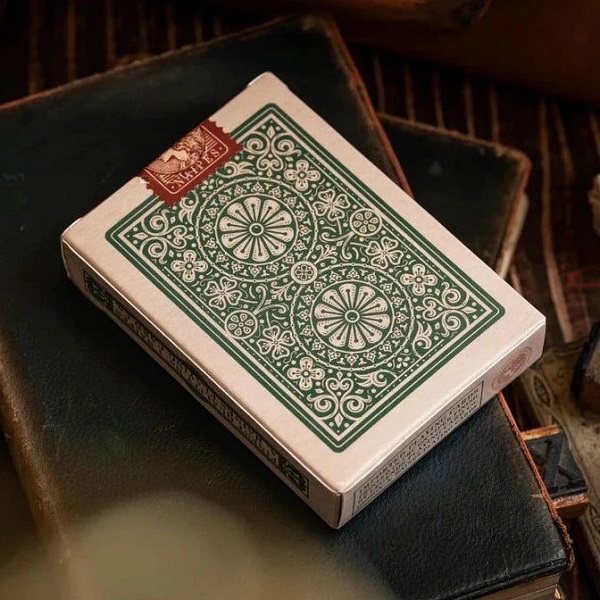
Dostępne są różne style pakowania spersonalizowanych talii kart, w tym pudełka typu tuck, sztywne pudełka i niestandardowe rękawy. Każdy styl oferuje inny poziom ochrony i prezentacji, co pozwala wybrać najlepszą opcję dla swoich potrzeb. Na przykład, sztywne pudełko zapewnia doskonałą ochronę i doskonały wygląd, dzięki czemu idealnie nadaje się do wysokiej klasy niestandardowych talii.
Jak matowe i błyszczące wykończenia wpływają na wygląd awersu karty?
Wykończenie frontów kart może znacząco wpłynąć na ich ogólny wygląd. Matowe wykończenia oferują subtelny, elegancki wygląd i są mniej podatne na odciski palców, podczas gdy błyszczące wykończenia zwiększają żywość kolorów i zapewniają błyszczący, przyciągający wzrok efekt. Wybór odpowiedniego wykończenia może zwiększyć efekt wizualny projektu i poprawić wrażenia użytkownika podczas rozgrywki.
 English
 Deutsch
 Français
 Polski
 Português do Brasil
 Español
 日本語
日本語 Русский
 العربية
 Italiano
 Nederlands
 Türkçe
 한국어
한국어